More Than a Surface Cleaner
Artificial turf may look simple from above. It isn’t.
Beneath the grass blades is a system of turf fibers, infill, backing, drainage and base materials. Pet urine, organic residue, dirt, oils, hair and debris can move into and through those layers. That’s why artificial grass can look clean and still smell dirty.
At TurFresh, we don’t believe there’s one magic product for every turf problem. We use different cleaning technologies, professional equipment and turf-specific techniques based on what the turf actually needs.
Different problems. Different science. Smarter turf care.
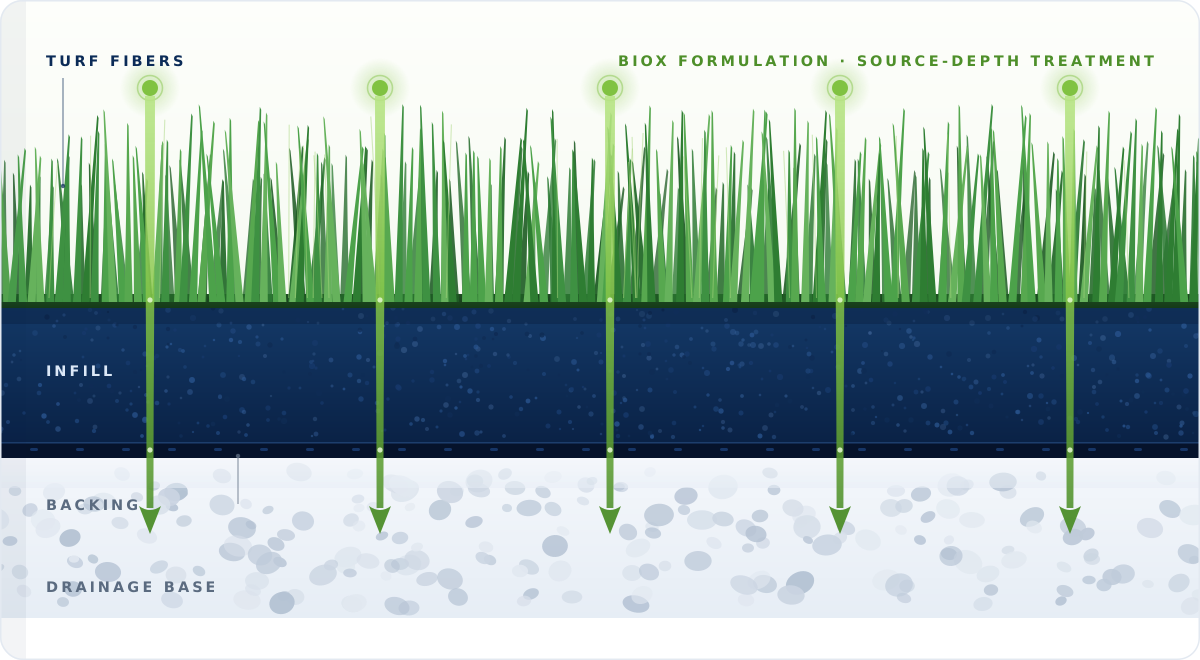
What You See Is Only the Surface
When most people look at artificial grass, they see the blades. Our TurTechnicians look at the entire turf system.
TURF FIBERS
Hair, dust, debris, oils and organic residue can collect around and between the blades.
INFILL
The material surrounding the turf fibers provides support, but moisture and contamination can also move through this layer.
BACKING
The structural layer beneath the turf allows liquids to move toward the drainage system.
BASE & DRAINAGE
What happens underneath the turf can have a major impact on what you eventually smell above it.
If contamination travels below the surface, cleaning only the surface may not solve the problem. That’s one of the fundamental principles behind the TurFresh approach.
Why Does Artificial Turf Smell Like Dog Urine?
The plastic grass isn’t creating the odor. Pet urine contains water, urea, salts and other compounds. After urine enters a turf system, naturally occurring biological processes can transform components of urine over time. One result can be the formation of ammonia-related compounds responsible for the sharp odor commonly associated with heavily used pet turf.
And urine doesn’t necessarily remain on the turf fibers. It can travel through the infill and backing toward the materials below. That’s why pet-turf odor isn’t simply a surface problem. It’s a turf-system problem.
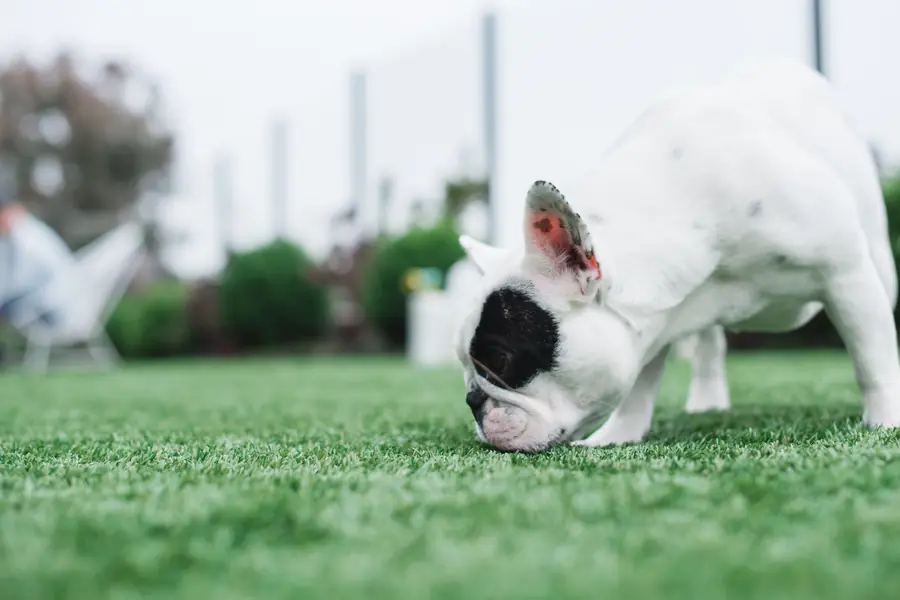
Why Does Pet Turf Smell Worse When It’s Hot?
Ever notice that your artificial grass smells fine in the morning but becomes much more noticeable on a hot afternoon? There’s science behind that. Temperature, moisture and environmental conditions influence biological activity and how readily certain volatile compounds enter the air.
As turf heats up, an existing odor can become easier for your nose to detect. The odor may not have suddenly appeared. The conditions that make you smell it changed. That’s one reason fragrance alone isn’t an effective turf-cleaning strategy. Covering an odor and addressing its source are two very different things.
Why Does Turf Odor Keep Coming Back?
Because water and urine move downward. Hosing artificial grass can be useful routine maintenance. But water follows gravity. Pet urine does too. Depending on the installation, drainage, infill, amount of pet use and age of the contamination, the source of an odor may exist deeper within the turf system than the visible blades.
That leads to one of the most important principles in professional turf cleaning: the treatment has to reach the problem. A sophisticated cleaning product won’t accomplish much if it never reaches the affected area. Chemistry matters. Coverage matters. Contact matters. Process matters.
Four Technologies. Four Different Jobs.
There is no one-bottle answer to every turf problem. Odor isn’t the same thing as organic buildup. Organic buildup isn’t the same thing as a soil that responds to oxidation. And professional cleaning isn’t the same thing as ongoing maintenance between services. So why would we expect one product to do every job? We don’t.
TurFresh BioX+
Targeted Odor-Control Technology
TurFresh BioX+ is used for applications where pet-related malodor is the primary problem. Instead of relying solely on fragrance to overpower an unpleasant smell, BioX+ is designed for direct contact with odor-causing compounds within affected areas of the turf.
Best understood as: odor-control technology.
Explore TurFresh BioX+ →TurFresh BioS+
Enzyme-Based Organic Cleaning Technology
Some turf contamination is organic. TurFresh BioS+ uses enzyme-based cleaning technology to help break down certain organic soils into smaller components that can be more effectively removed during the professional cleaning process.
Best understood as: organic-soil cleaning technology.
Explore TurFresh BioS+ →TurFresh Oxy
Peroxide-Based Oxidizing Technology
Some cleaning conditions call for a different chemical mechanism: oxidation. TurFresh Oxy provides our technicians with a peroxide-based cleaning technology for appropriate turf conditions and compatible soils. Oxidation can alter certain organic materials, helping loosen them so they can be removed as part of the cleaning process.
Best understood as: oxidizing cleaning technology.
Explore TurFresh Oxy →TurFill
Ongoing Odor & Moisture Management
TurFill is different. Unlike our liquid cleaning technologies, TurFill is a specialized granular turf treatment that remains within the turf after application. Its highly porous internal structure provides extensive microscopic surface area that can interact with moisture and odor-related compounds within the turf environment.
Best understood as: ongoing turf-management technology.
Explore TurFill →These products are not a four-step chemical treatment.
Different technologies doesn’t mean we use everything on every yard. TurFresh BioX+, TurFresh BioS+, TurFresh Oxy and TurFill perform different functions. Our technicians evaluate the turf condition and determine which cleaning process and appropriate technology should be used for the service being performed. Sometimes odor control is the priority. Sometimes organic buildup is the issue. Sometimes another cleaning approach is appropriate. Sometimes ongoing TurFill treatment makes sense. The goal isn’t to use more products. The goal is to use the right process.
How Each Technology Works
How TurFresh BioX+ Works
Target the odor, not just your nose.
Pet-related malodor can originate below the visible turf fibers. That makes application and contact particularly important. TurFresh BioX+ is professionally applied to affected turf areas so the treatment can come into contact with odor-causing compounds rather than merely adding fragrance to the surface.
That’s why BioX+ is fundamentally different from simply spraying something pleasant-smelling across the yard. Don’t just cover the odor. Address where it’s coming from.
See the Science of TurFresh BioX+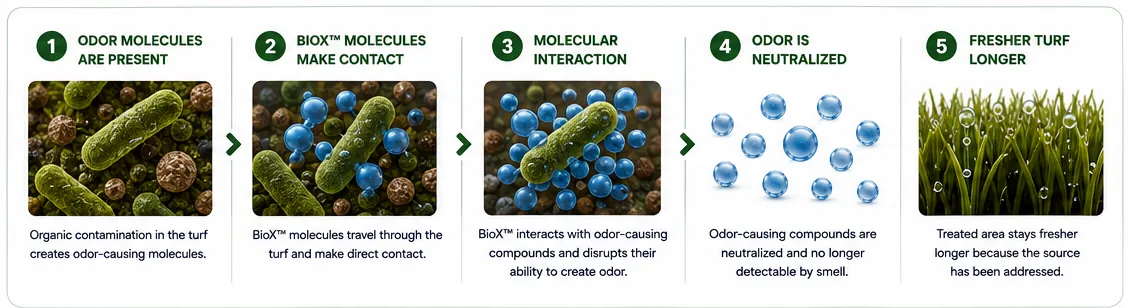
How TurFresh BioS+ Works
Enzymes give us another way to approach organic soil.
Enzymes are specialized proteins that accelerate specific chemical reactions. In cleaning applications, selected enzymes can help break down certain organic materials into smaller components that are easier to remove during cleaning.
But enzymes aren’t magic. They need the appropriate conditions, adequate contact and the rest of the cleaning process to do their job. Chemistry helps loosen the problem. Professional cleaning helps remove it.
See the Science of TurFresh BioS+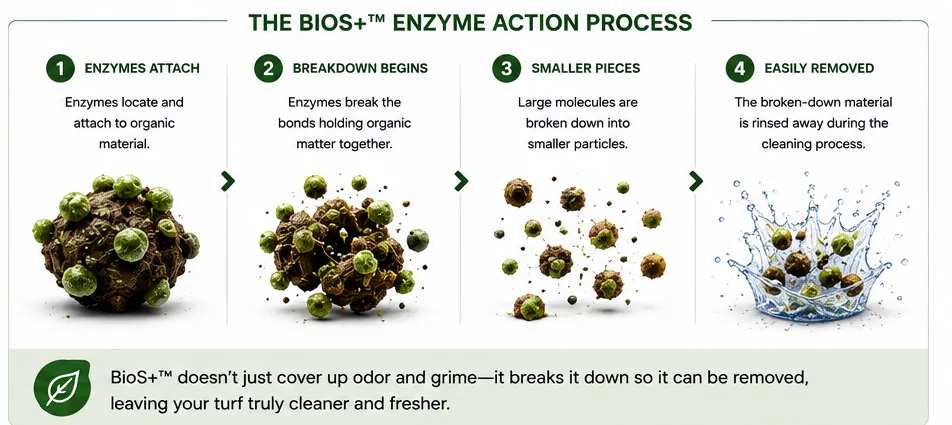
How TurFresh Oxy Works
Some soils respond to oxidation.
TurFresh Oxy uses peroxide-based oxidizing chemistry. When appropriate for the cleaning objective, oxidation can chemically alter certain organic materials and residues, helping loosen them from the turf so they can be removed during cleaning.
TurFresh Oxy gives our technicians another cleaning mechanism when enzyme-based cleaning or odor-control chemistry isn’t the appropriate tool for the condition. Different chemistry for a different cleaning problem.
See the Science of TurFresh Oxy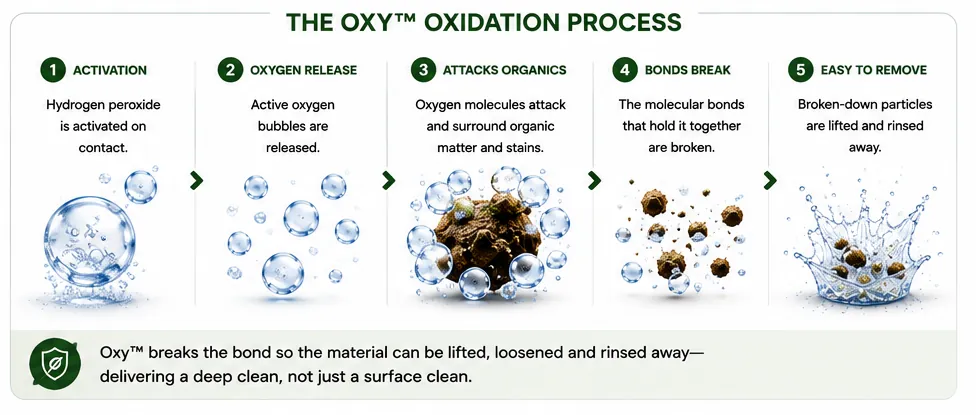
How TurFill Works
This one stays behind.
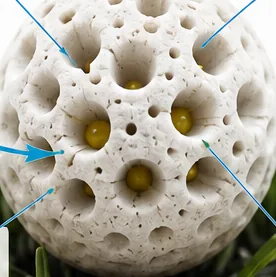
TurFill isn’t another liquid cleaner. It is a specialized granular treatment worked into the turf, where it remains after professional service. Its microscopic internal structure contains an extensive network of pores and surfaces. When moisture reaches TurFill, liquid can move into this porous structure while certain compounds interact with its internal surfaces.
Two different physical processes help explain what’s happening:
Liquid moves into the porous material.
Certain molecules can be retained on internal surfaces.
There’s another interesting process occurring with pet urine. As urine changes over time, ammonia and its positively charged form, ammonium, can exist within the turf environment. TurFill’s internal structure can interact with certain positively charged ions through a process called ion exchange, helping retain ammonium within the material.
That’s very different from spraying a deodorizer on top of the grass. TurFill works inside the turf, between professional cleanings.
See the Science of TurFillChemistry Is Only Part of Professional Turf Cleaning
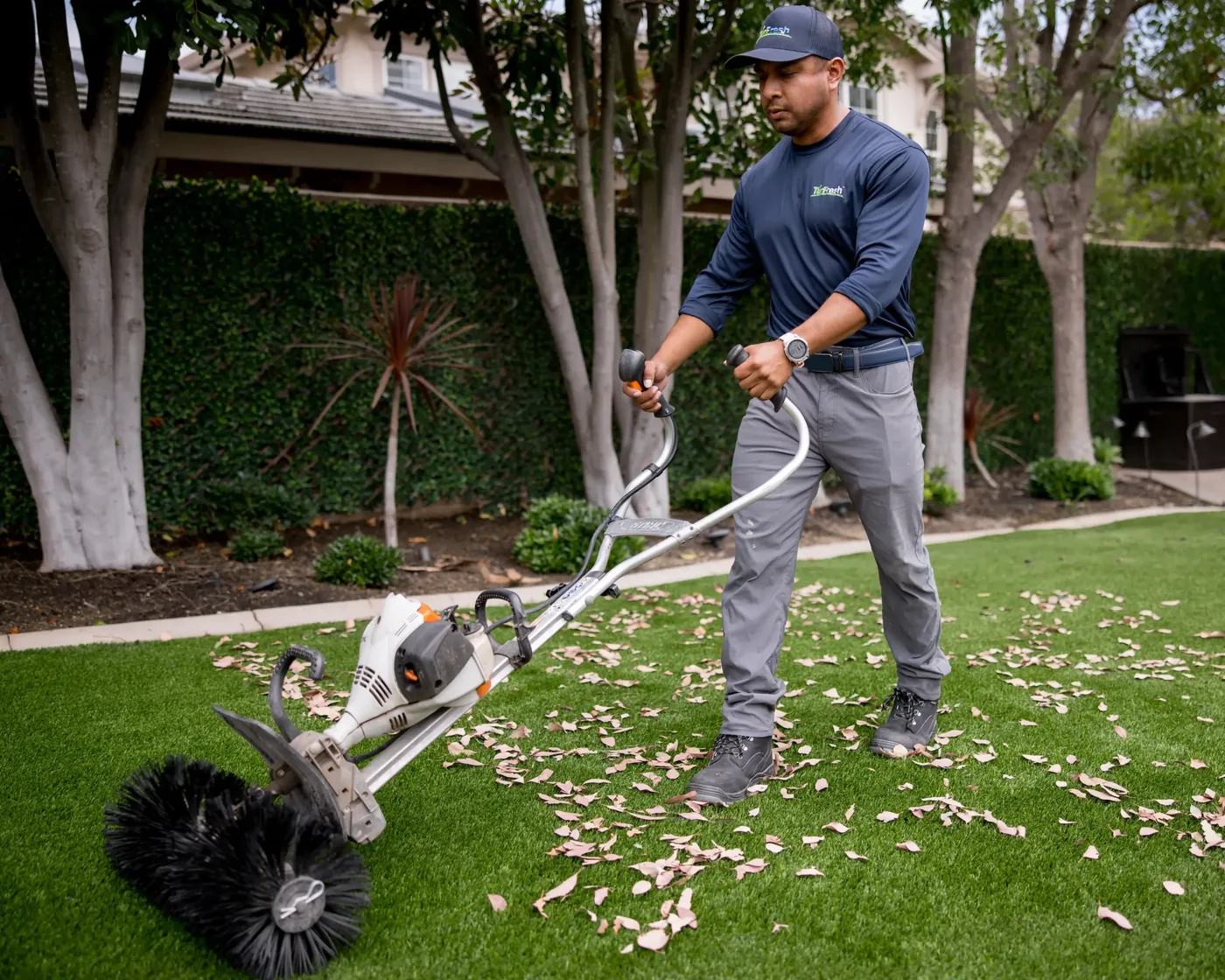
A great product can’t compensate for a bad process. Chemistry can’t pick up dog hair. Chemistry can’t remove leaves. Chemistry can’t groom matted turf fibers. Chemistry can’t compensate for poor application coverage. And no cleaning chemistry can repair a defective drainage system.
That’s why TurFresh combines chemistry + equipment + physical cleaning + water + technique + professional judgment. The exact process varies by service and turf condition, but professional turf care may include:
Evaluate the turf, usage, pet activity, odor, contamination and visible drainage concerns.
Physically remove hair, leaves and loose debris.
Work through turf fibers and infill to loosen embedded material.
Determine the appropriate cleaning process and technology for the condition.
Professionally apply the selected treatment with appropriate coverage and contact.
Remove loosened material and residues where appropriate for the service.
Help restore the appearance of turf fibers and redistribute appropriate infill.
Recommend an appropriate maintenance schedule based on turf usage and conditions.
That’s the difference between spraying artificial grass and professionally caring for it.
Sometimes Cleaning Isn’t the Answer
Persistent artificial turf problems can sometimes be caused or intensified by: poor drainage, installation defects, inappropriate base materials, damaged backing, excessive pet loading or contamination that has migrated beyond the serviceable portions of the turf system.
Cleaning can’t repair an installation problem. And adding more chemical isn’t always the solution. If we believe something other than cleaning is contributing to the problem, we’ll tell you. Sometimes the most professional recommendation is knowing when cleaning isn’t the answer.
Artificial Turf Isn’t Maintenance-Free
Artificial grass doesn’t need mowing. But that doesn’t mean it doesn’t need care. Pet hair accumulates. Leaves fall. Dust settles. Organic material gets trapped. Fibers become matted. Pets continue using the same areas. And contamination builds gradually.
Regular maintenance helps manage those conditions before they become larger cleaning problems. That’s the thinking behind TurfCare, our recurring artificial turf maintenance program.
Explore TurfCareThe Right Science for the Right Problem
You don’t need to know whether your turf needs BioX+, BioS+, Oxy or TurFill. That’s our job.
You tell us what you’re experiencing. “My turf smells.” “It looks dirty.” “I have dogs.” “The blades are matted.” “I’ve cleaned it myself and the smell keeps coming back.”
Our job is to understand what’s happening and recommend the appropriate service. You diagnose the symptom. We understand the turf.
Get My Price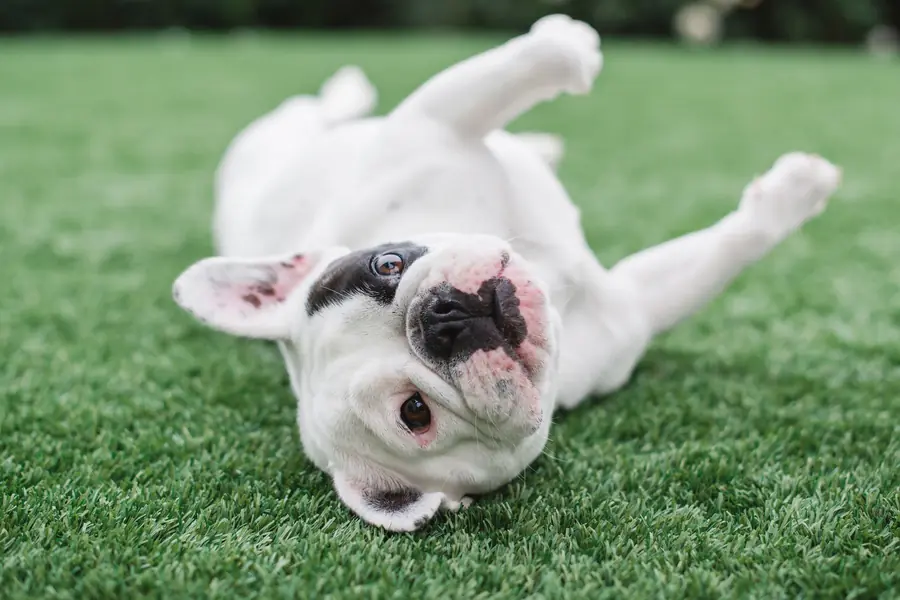
Artificial Turf Cleaning FAQs
25+ Years Focused on Artificial Turf Care
Artificial turf has changed dramatically over the years. So has the science of maintaining it. TurFresh continues to study turf construction, cleaning chemistry, pet-related odor, equipment, application methods and maintenance techniques to improve the way artificial turf is professionally cared for.
We don’t believe the future of turf care is another miracle bottle. We believe it’s understanding the entire system.
TurFresh BioX+ for targeted odor control. TurFresh BioS+ for enzyme-based organic cleaning. TurFresh Oxy for appropriate oxidizing cleaning applications. TurFill for ongoing odor and moisture management.
And professional TurFresh cleaning to bring the right technology, equipment and technique together.
Safety Data Sheets
Transparency is part of the science. Every product we apply is documented, and the current Safety Data Sheet for each formulation is available below and on request. Facility managers, schools, and property teams: these are the documents your compliance file needs.
Need a document for a bid package or compliance review? Request it from our team and we will send the current revision.
Turf Care Isn’t a Product. It’s a System.
Odor Solution Without the Pollution, and we’re building the standard for professional artificial turf care.
Book Your Service Online
Choose your service, see your exact price, reserve your time. Under 5 minutes.
No payment required to book · Cancel anytime before service