
Artificial Turf Cleaning in Arizona
At TurFresh, we specialize in maintaining the beauty and freshness of your artificial turf, no matter what Arizona's climate throws its way. Our expert artificial turf cleaning services in Arizona are designed to keep your lawn vibrant, welcoming, and free from pet odors, debris, and hair. With extreme temperatures and dry conditions in mind, we deliver tailored cleaning solutions that restore your turf's look and feel year-round. Whether you're in Phoenix, Tucson, or the surrounding areas, TurFresh makes it easy to enjoy a pristine outdoor space without the hassle of constant upkeep.
Homeowners and businesses across Arizona trust TurFresh to rejuvenate their synthetic grass and extend its lifespan. If you're ready to refresh your turf, call us today at (602) 975-2335 or fill out our quick online form to schedule your first cleaning. Let us handle the work, so you can focus on relaxing and making the most of your lawn.
Your Local Artificial Turf Cleaning Company
Since 1999, TurFresh has been the trusted name in artificial grass care. Arizona homeowners and businesses rely on our proven TurfCare process to keep lawns clean, safe, and odor-free.
- Non-toxic products safe for pets and children
- Skilled technicians trained in our multi-step TurfCare system
- Thousands of satisfied customers across Arizona
- Backed by our Freshness Guarantee
Premium Artificial Turf Services in Arizona
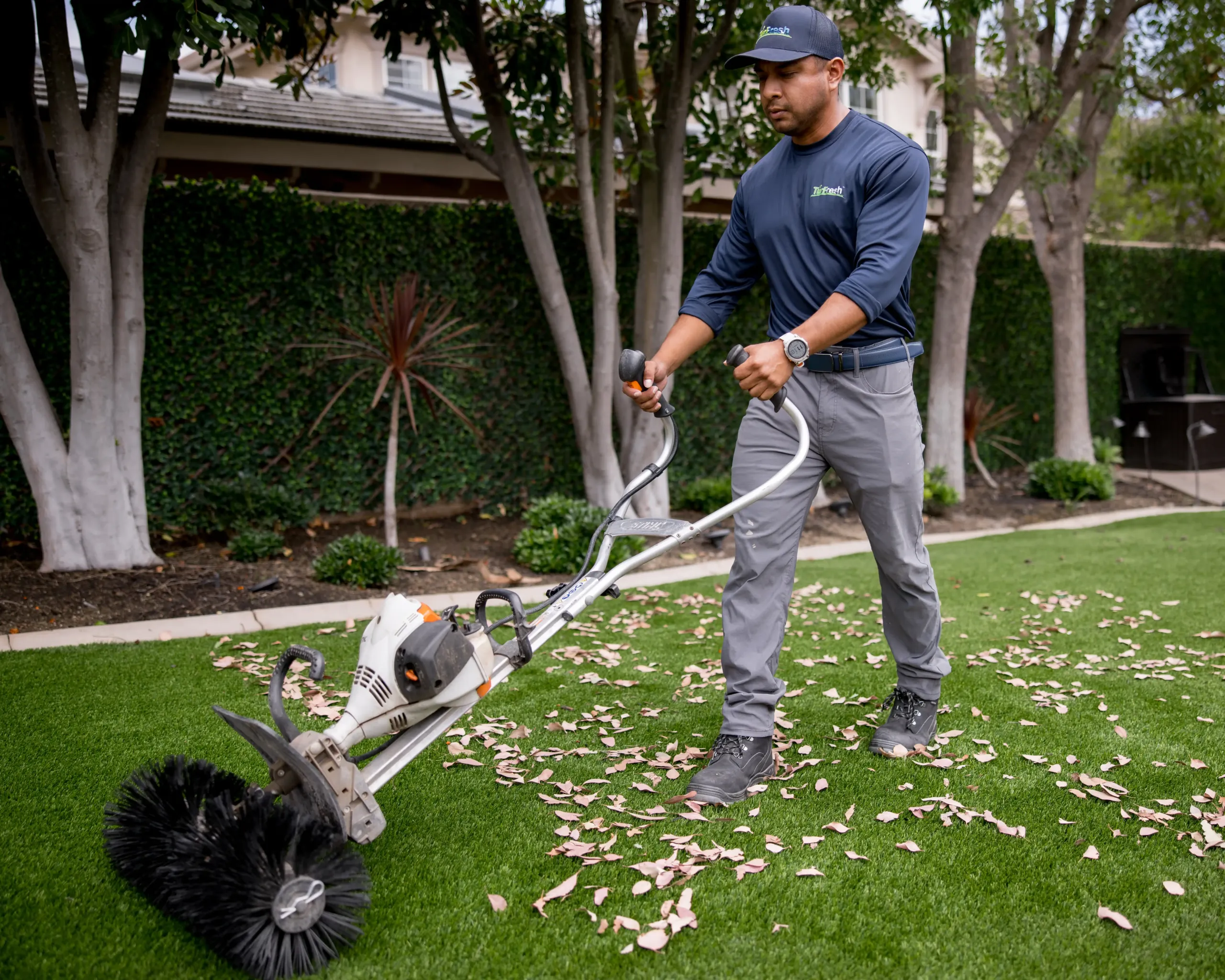
Artificial Grass Cleaning & Odor Removal
Arizona's extreme climate creates unique challenges for artificial turf maintenance. Our TurfCare service goes beyond surface cleaning to fully refresh synthetic grass.
- Targeted pet odor treatment
- Deep debris and dust removal
- Turf fiber reblooming and grooming
- Infill refresh and leveling
- Eco-safe odor solutions
Arizona Turf Maintenance & Restoration
TurFresh provides professional artificial turf maintenance and restoration to keep your lawn looking fresh, clean, and long-lasting. Our TurfClean service deeply sanitizes to remove bacteria, odors, and pet messes, while TurfBloom lifts and fluffs turf fibers for a soft, natural appearance.
With flexible TurfCare plans, you'll enjoy year-round freshness and the option for infill replacement to extend the life of your turf. Every service comes with our 100% satisfaction guarantee, so Arizona homeowners and businesses can feel confident their artificial grass will always look its best.
- Full-service TurfClean for deep sanitizing
- TurfBloom fiber lifting and fluffing
- Flexible TurfCare plans for year-round freshness
- Optional infill replacement for long-term results
- 100% satisfaction guarantee
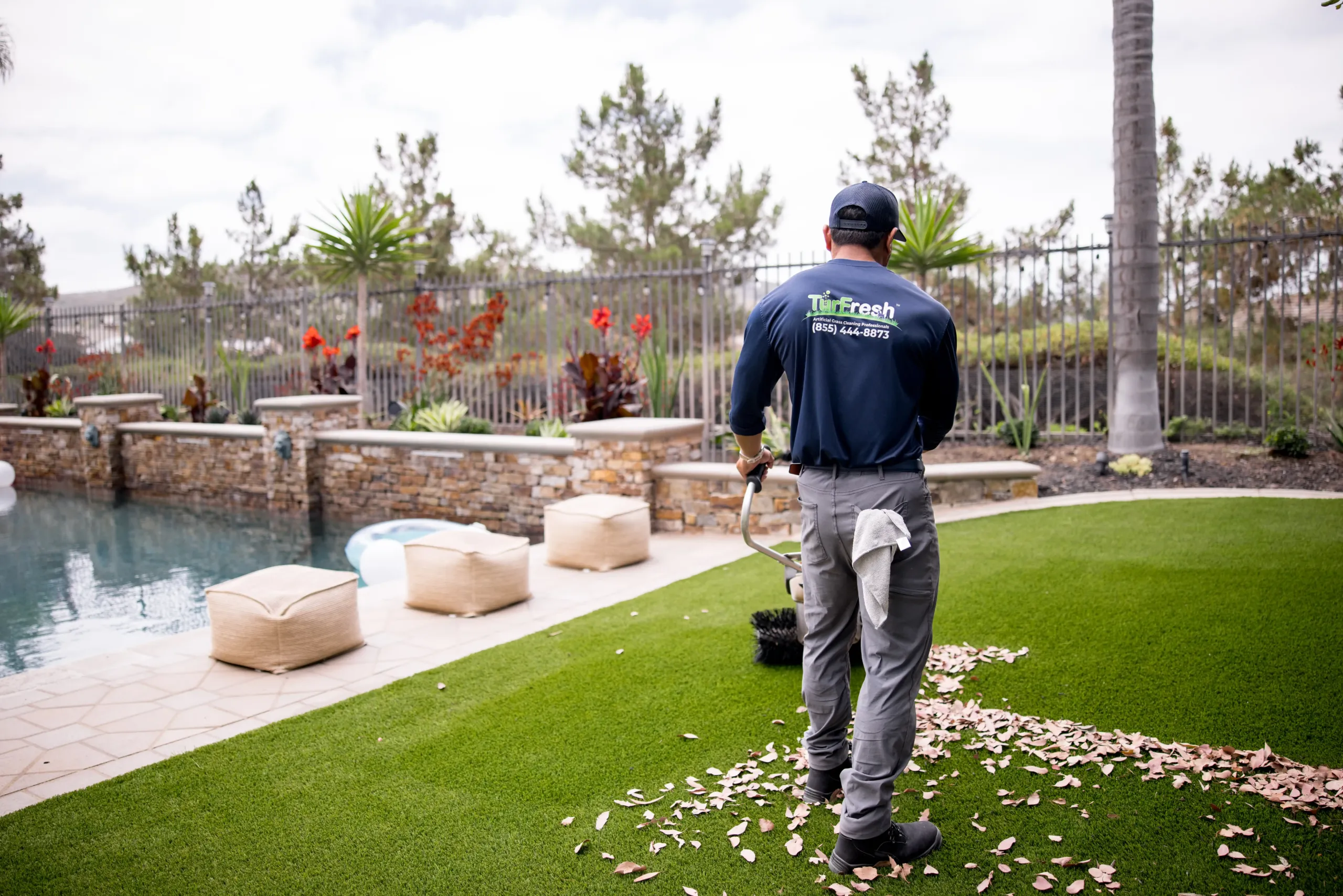
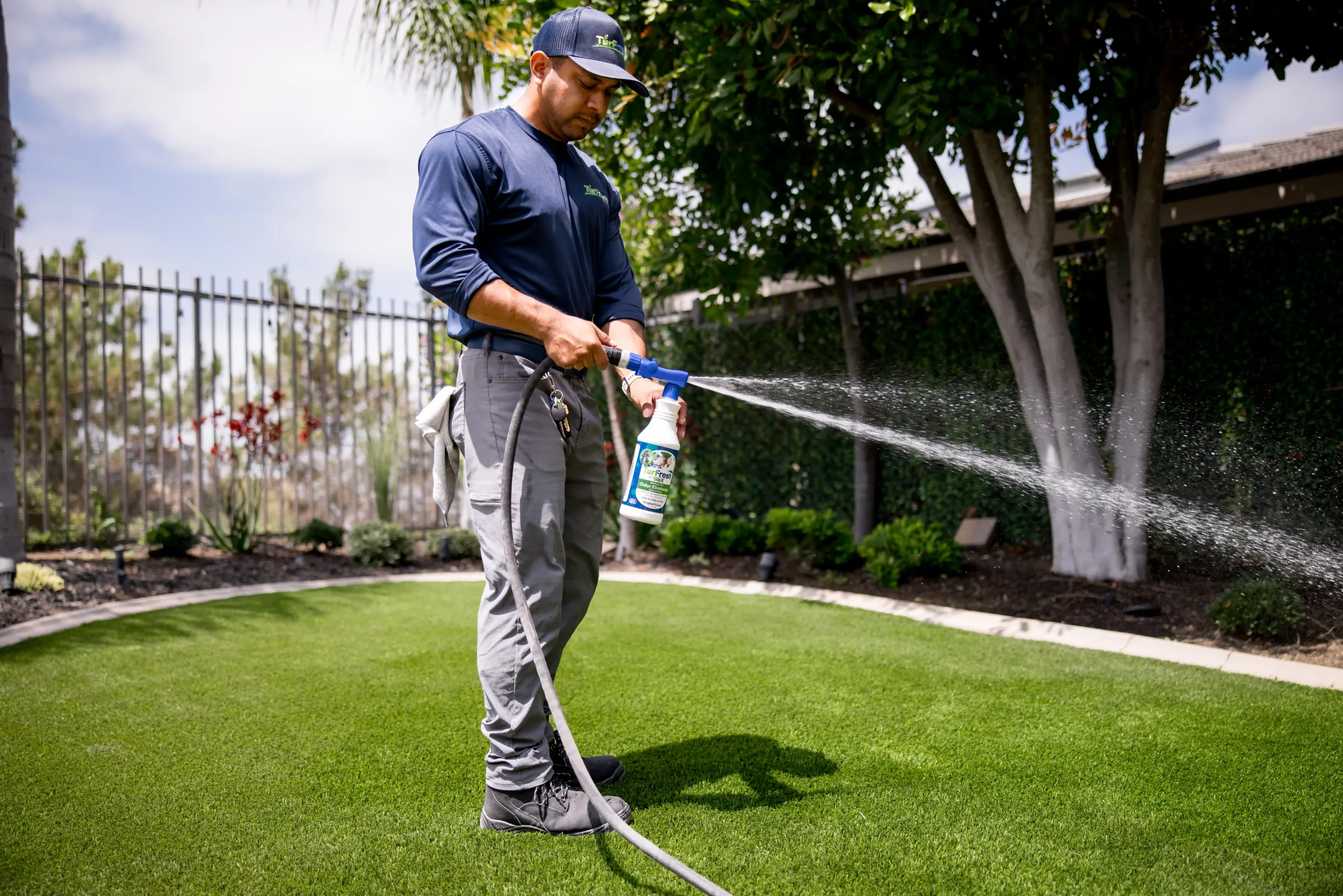
Common Turf Problems We Solve
Artificial turf should stay green and low-maintenance, but Arizona's dry climate and heavy use can take a toll. That's why TurFresh offers expert solutions to restore your lawn's look, feel, and hygiene.
- Persistent Pet Odor – Our enzyme-based treatments eliminate odors at the source, not just cover them up
- Flattened Turf Fibers – TurfBloom lifts and fluffs turf blades, making your lawn lush and natural again
- Bacteria Buildup – Deep cleaning and sanitizing create a safer, healthier play space for families and pets
- Trapped Debris – We remove pet hair, dust, and waste while rebalancing infill for improved drainage
Artificial Turf Cleaning Services We Offer
Professional solutions to keep your lawn fresh, clean, and looking like new year-round for your home or commercial space in Arizona.








See and Smell The Difference
Trusted artificial turf cleaning services for homes and businesses across California, Nevada, Arizona, and Texas.
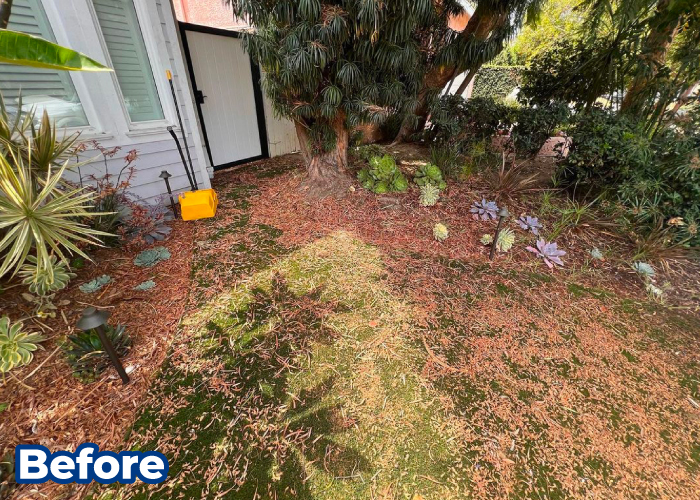
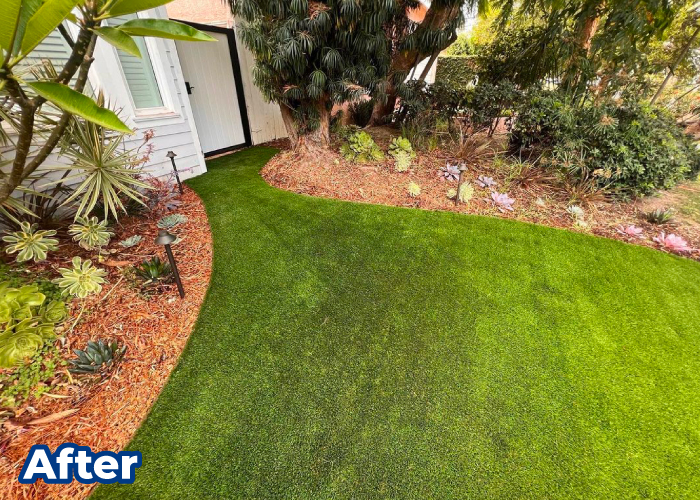
Proudly Serving Communities Across Arizona
TurFresh is Arizona's trusted turf cleaning company, serving homeowners and businesses across the state. From Phoenix and Tucson to Scottsdale, Mesa, and beyond, we keep lawns fresh, clean, and looking their best year-round.
See All Areas We Are Serving
Why Arizona Residents Choose TurFresh
We’re Highly Rated
With over 5,000 5-star reviews and over 150,000 services completed and growing!

Over 3,000 Reviews!

Over 75 Reviews!

Over 60 Reviews!

Over 2.1k Reviews!
“TurFresh did an amazing job for us from start to finish. They were easy to work with, have great support technology, and the end result was beyond expectations! Our very professional technician was fantastic and worked through the steps of the multi part cleaning and application process on a hot, 114 degree Phoenix day. The turf looks wonderful and smells great”
-Linda L.
“Jesus came right on time and did a thorough, phenomenal job on our turf. He explained the process clearly, and wow what a difference! I feel so much more comfortable sending our kids out to play knowing how clean the turf is. A huge perk is that it now looks brand new again. Thanks, Jesus and TurFresh!”
-Ashley W.
“I can’t recommend this company highly enough!! We were considering replacing our turf altogether due to pet smell. TurFresh came in and saved the day! Our turf is like new! Luis did an amazing job showed up on time and got right to work making our turf shine. The stink is gone and the blades are actually standing up again. If you have turf that needs some love call TurFresh you will not be disappointed.”
-Dick F.
Why Nicole LOVES TurFresh
Recent Turf Cleaning Services
Frequently Asked Questions About Turf Cleaning in Arizona
A quick rinse can remove surface dust, but it won't tackle odors, bacteria, or compacted infill. Arizona's dry heat and high pet usage make professional cleaning essential to fully sanitize and restore turf.
Store-bought sprays or home remedies often mask smells but don't fix the problem. TurFresh uses enzyme-based products and specialized equipment to eliminate odors at the source, rebloom flattened fibers, and extend the life of your turf.
For homes with pets, we recommend every 3–4 months. In Arizona's desert climate, dust and heat can speed up wear, so even turf without pets' benefits from routine cleaning 2–3 times a year.
Yes. Regular TurFresh services help prevent bacteria buildup, maintain proper drainage, and keep fibers standing tall, protecting your investment for years longer.
Absolutely. All TurFresh products are eco-friendly and non-toxic. Your lawn is safe for play immediately after cleaning.
Yes. From backyard lawns to schools, dog parks, and sports fields, we provide tailored cleaning solutions for every type of artificial grass installation.
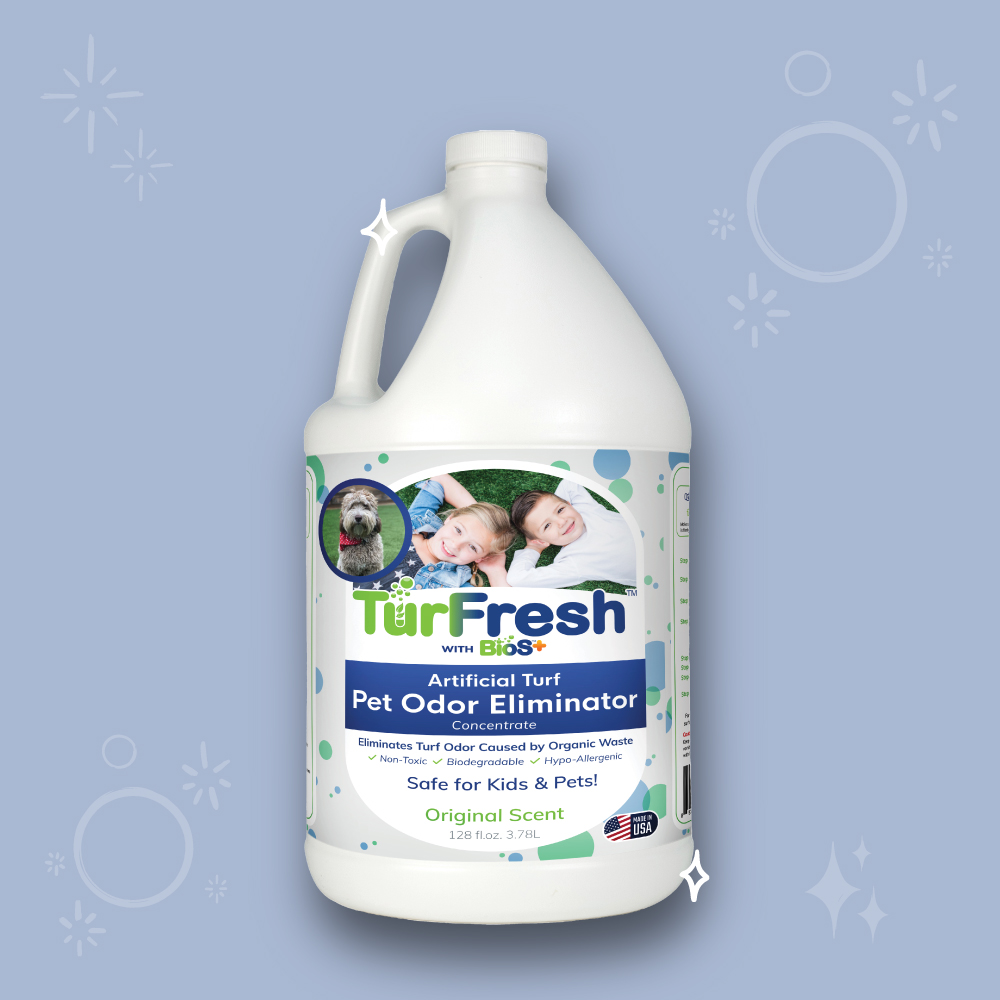
Yes. Our BioS+ enzymatic treatment is designed specifically for pet turf. It breaks down and neutralizes odor at the molecular level instead of covering it with fragrance.
Welcome to TurFresh Artificial Turf Cleaning in Arizona
Looking for reliable artificial turf cleaning in Arizona? TurFresh is the trusted choice for homeowners and businesses across the state. We specialize in turf cleaning, odor removal, and long-term turf maintenance that keeps lawns looking fresh and healthy year-round. Call us today at (855) 444-8873.
Artificial grass is a big investment, and without regular care it can trap odors, bacteria, and debris. Our team uses eco-friendly, pet-safe solutions to restore your lawn's appearance, remove deep-seated odors, and protect your turf so it lasts for years. Whether you need a one-time deep cleaning, routine maintenance, or professional-grade products shipped to your door, TurFresh has you covered.
We offer services throughout Arizona including turf deodorizing, fiber reblooming, pet odor treatments, infill balancing, and ongoing TurfCare plans.
We are the Best Turf Cleaning & Odor Removal Near You in Arizona
If your synthetic lawn has lost its softness, looks flat, or smells unpleasant, TurFresh can help. We've been Arizona's leading choice for artificial turf cleaning since 1999, with thousands of happy customers who trust our Freshness Guarantee.
Our services include:
- Turf reblooming and grooming
- Enzyme-based pet odor elimination
- Infill balancing and replacement
- Weed removal and seam repair
- Deep cleaning for bacteria and debris
- Magnet sweeps for hidden nails or metal
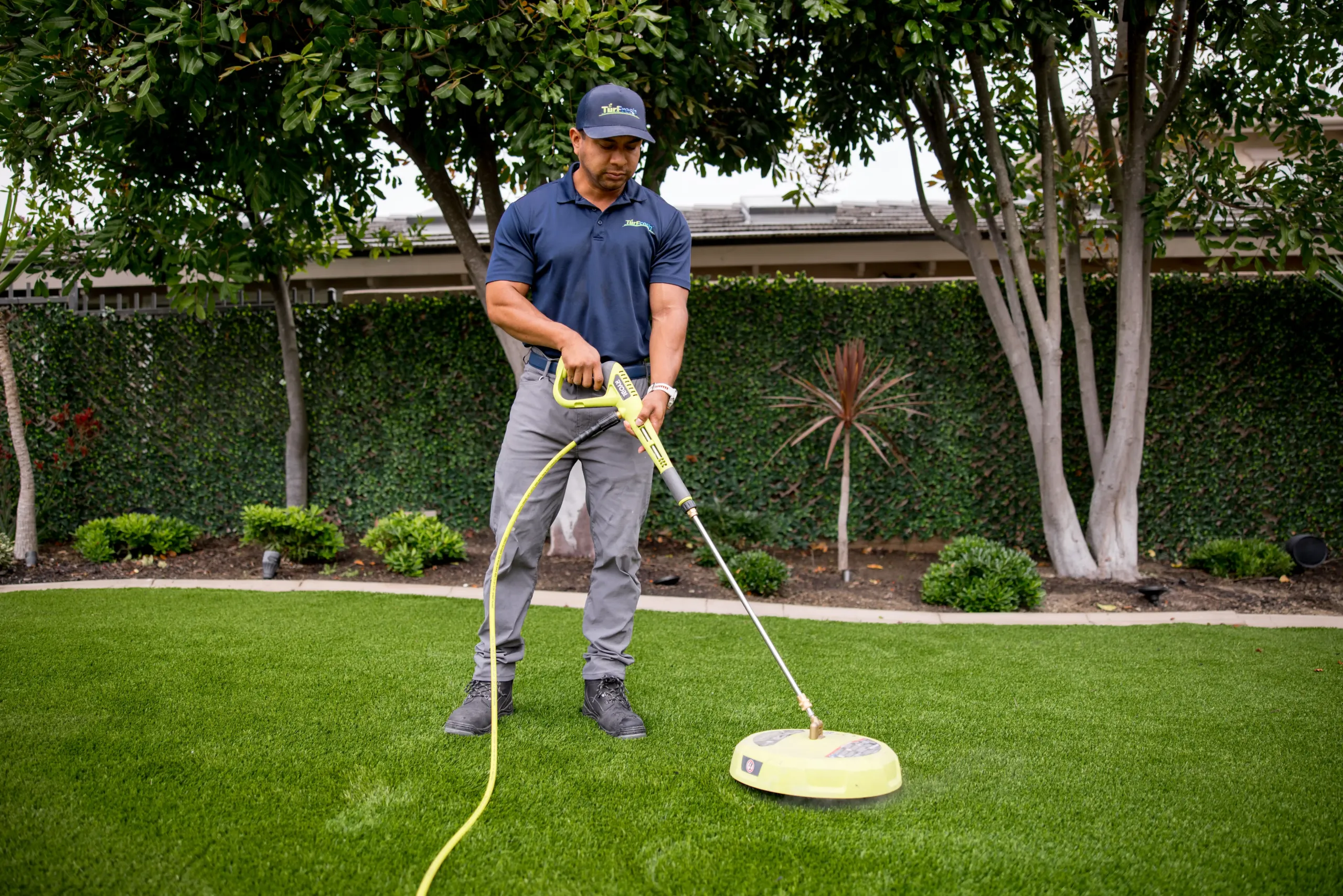
How Much Does Turf Cleaning Cost in Arizona?
Turf cleaning prices vary depending on the size, condition, and usage of your lawn. Heavy pet traffic or older turf may need additional treatment, while ongoing TurfCare plans provide affordable upkeep.
Arizona's hot summers and dry climate can cause fibers to flatten faster and odors to intensify, making professional care essential.
Here's a breakdown of typical turf cleaning costs in Arizona:
- One-Time Turf Cleaning ($300 – $450): Deep clean, odor removal, fiber reblooming, minor repairs
- Routine Turf Maintenance ($80 – $150 per visit): Regular cleaning, deodorizing, brushing, and edging
- Heavy Pet Usage Cleaning ($400 – $600): Extra enzyme treatment, deep brushing, infill refresh
- Commercial Turf Cleaning (Custom Quote): Schools, parks, pet areas, sports turf, scheduled or emergency
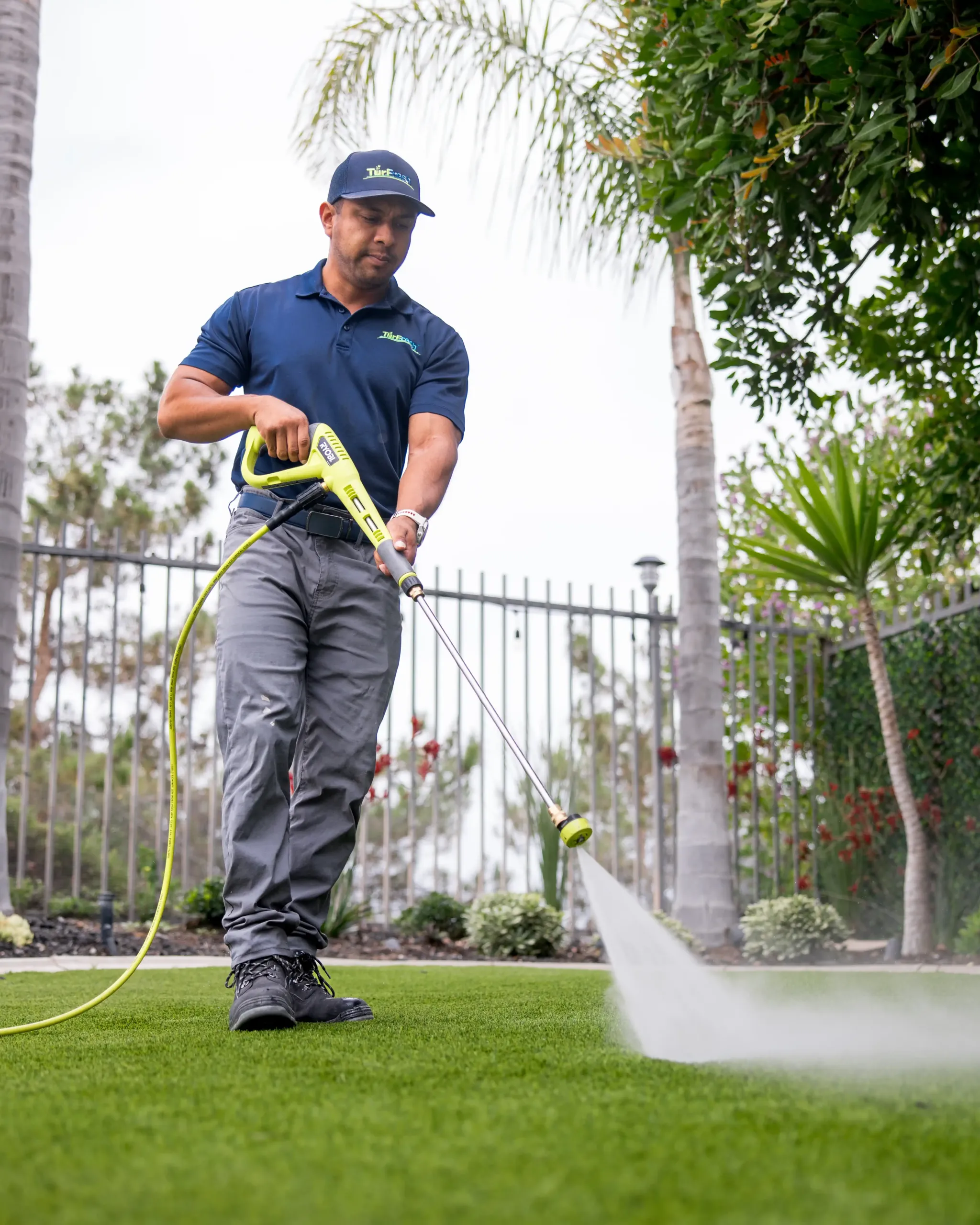
Same-Day Artificial Turf Cleaning in Arizona
Don't wait weeks to restore your turf. TurFresh offers same-day service in many Arizona locations, giving you a lawn that looks and smells brand new when you need it most. Whether it's for a special event, heavy pet traffic, or routine upkeep, our TurfCare process revives your turf on the spot.
Why Arizona Residents Choose TurFresh:
- Pet & Kid Safe – Eco-friendly, non-toxic cleaning solutions
- Proven Since 1999 – Trusted turf cleaning leader for over two decades
- Freshness Guarantee – 30-day satisfaction guarantee with flexible plans
- Built for Arizona's Climate – Services designed to handle heat, dust, and heavy use
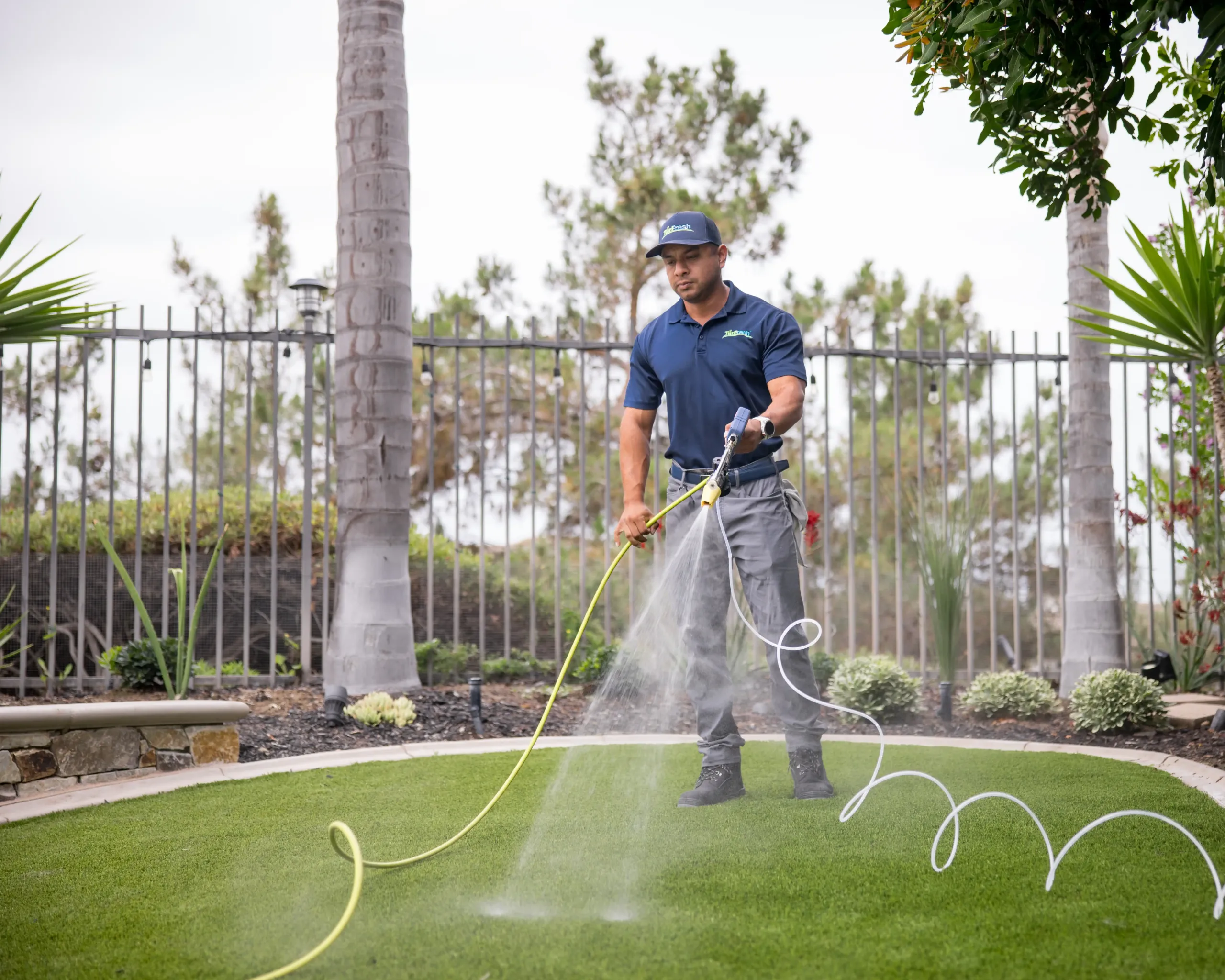
Which TurfCare Plan Fits Your Needs?
Choose from flexible maintenance plans tailored for Phoenix homeowners — whether you need pet odor control, deep cleaning, or routine upkeep to keep your lawn looking its best.



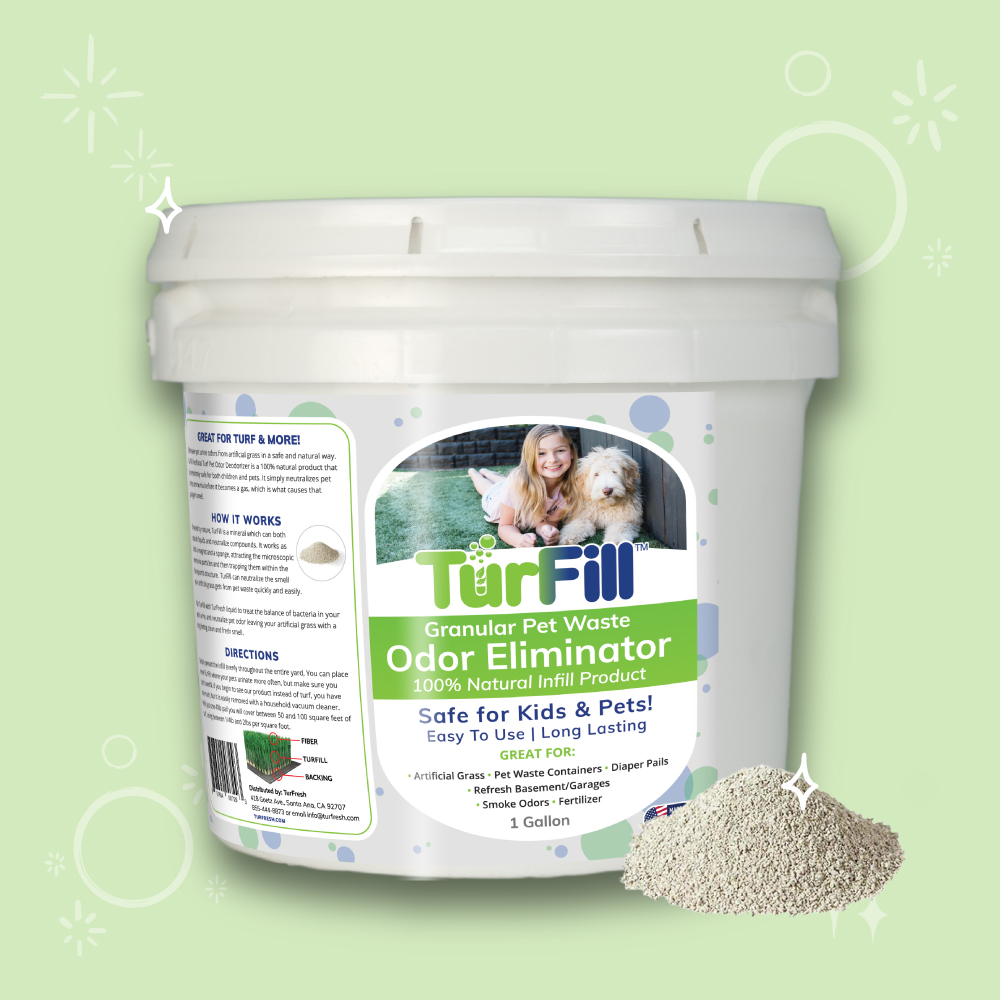
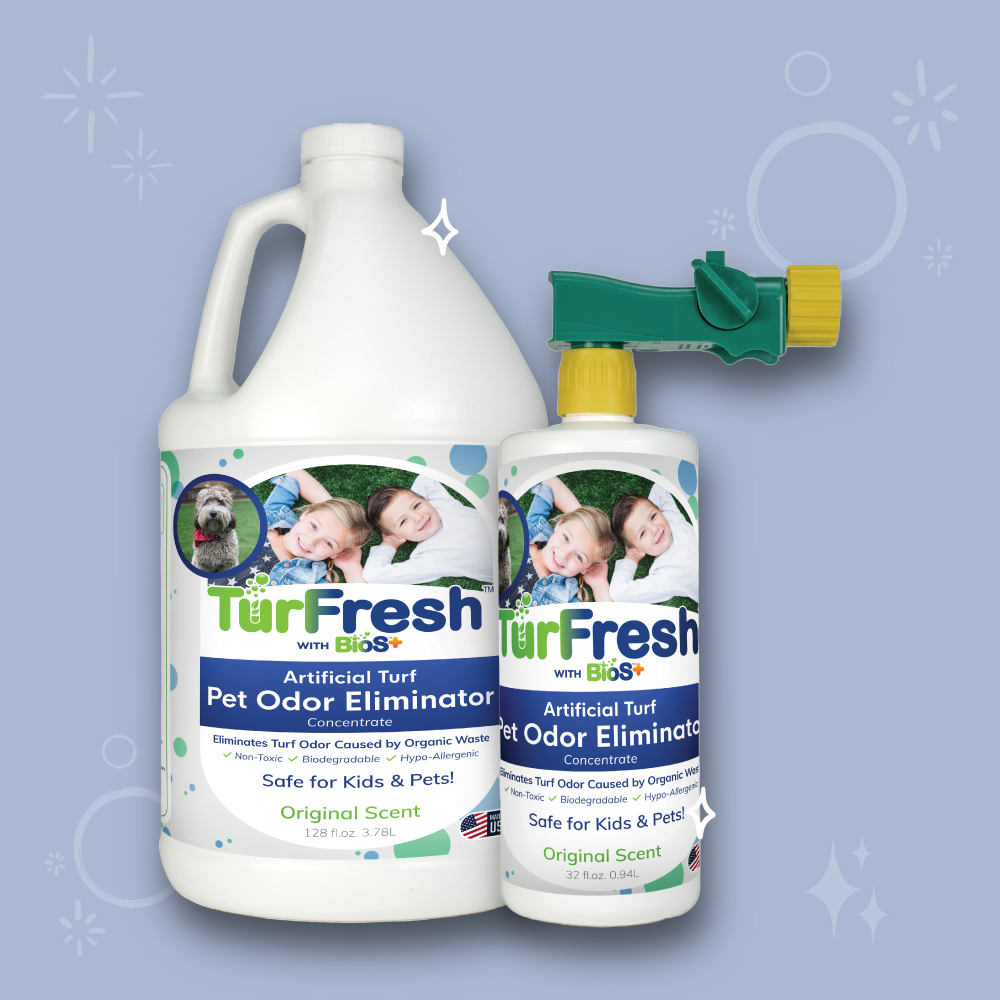
Book Your Arizona Turf Cleaning Today
Kid & Pet Safe – Our organic, non-toxic formulas keep your turf safe to use right after application.
Freshness Guaranteed – Every service is backed by our 100% satisfaction promise.
Proven Pet Odor Removal – TurFresh enzyme technology breaks down odors at the source instead of just masking them.
Your lawn is more than just turf — it's a space for family, pets, and relaxation. That's why Phoenix homeowners turn to TurFresh for consistent results they can count on. We combine expert care with eco-safe solutions so your turf not only looks great but stays healthier for longer.
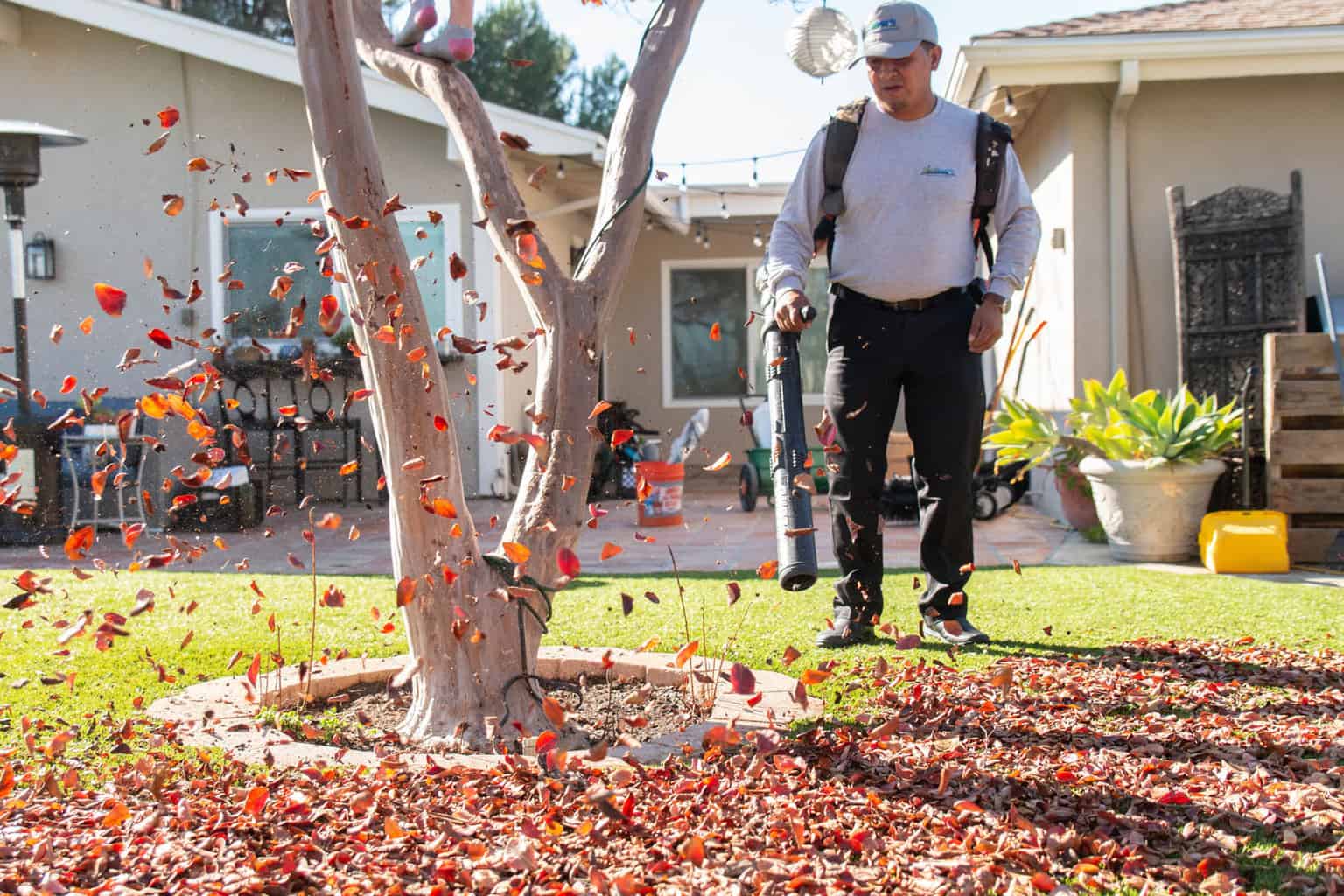
Ready to enjoy your clean, fresh turf again?
Whether you’ve had your artificial grass for years or you just had it installed, one of our turf maintenance plans will eliminate bacteria and keep your yard smelling fresh. Our all-natural TurFresh products organically eliminates odors from your artificial turf.