
Walk into any fitness facility and one of the first things you notice isn’t the equipment. It’s the smell. A clean, fresh-smelling facility immediately communicates professionalism, attention to detail, and pride. An unpleasant odor can communicate something entirely different, even when the equipment, coaching, and programming are excellent.
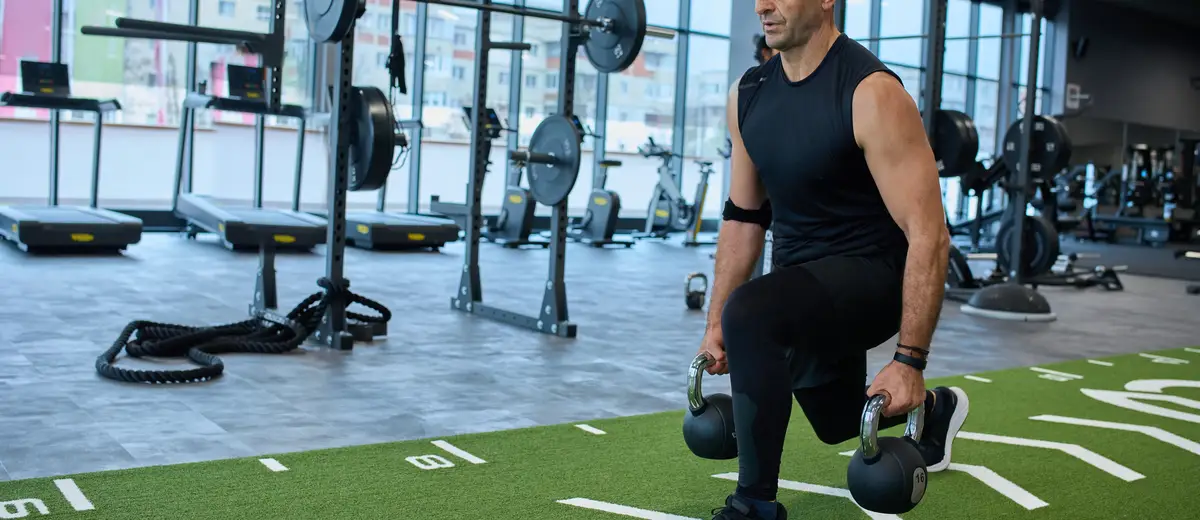
Artificial turf can be one of the largest training surfaces inside a modern fitness facility. Members:
Over time, sweat, body oils, dirt, skin cells, dust, spills, shoe contamination, and organic material accumulate within the turf system. Routine janitorial cleaning takes care of the restrooms, equipment, mirrors, and hard floors. But who’s deep cleaning the turf?
Your turf is part of your facility’s first impression.
Your Facility’s #1 Invisible Marketing Tool
Members may not consciously analyze how your facility smells. But they notice it. The smell of a fitness facility contributes to the immediate perception of:
A prospective member touring your facility is evaluating much more than equipment. They’re asking themselves:
If a large strip of artificial turf runs through the center of your facility, its appearance and odor become part of the customer experience. Clean turf supports the perception of a clean facility. Dirty or odorous turf can undermine it.
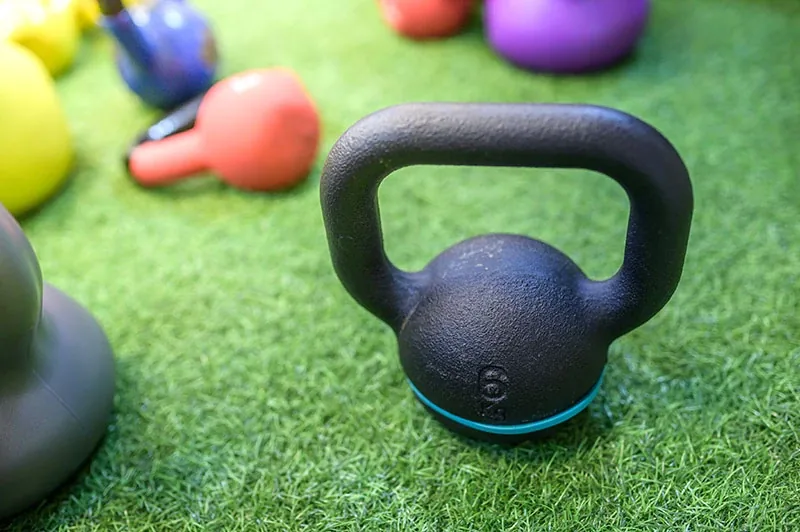
What Happens to Gym Turf Every Day?
Artificial training turf lives in a completely different environment from outdoor landscape turf:
Sweat
Athletes perspire directly onto training surfaces during workouts.
Body Oils
Hands, arms, legs, and bodies repeatedly contact the turf.
Skin Cells
Normal human activity deposits organic material onto shared training surfaces.
Shoes
Members walk through parking lots, restrooms, locker rooms, and sidewalks before stepping onto training turf.
Dust & Dirt
Indoor airflow and foot traffic continuously introduce particulate matter.
Drinks
Water, sports drinks, protein drinks, and supplements can spill.
Equipment
Sleds, ropes, weights, medicine balls, bands, and mats repeatedly contact the turf.
High Traffic
The same areas can take hundreds or thousands of contacts between deep cleanings.
What Your Members See
Artificial turf.
What Your Cleaning Program Needs to Consider
Sweat · body oils · skin contact · shoes · equipment · dust · organic material · spills · odor.
The turf may look clean before it is clean.
Why Athletic Facility Hygiene Matters
Fitness and athletic environments naturally involve close contact, perspiration, shared equipment, and repeated contact with common surfaces.
Staphylococcus aureus, commonly called “staph”, is a bacterium that can live on people’s skin. MRSA is a type of staph bacteria resistant to several antibiotics. Public-health guidance recognizes that MRSA and other infections can spread in athletic environments through close contact and contact with contaminated surfaces or shared items.
This does not mean every gym or turf surface contains dangerous levels of MRSA. It does mean that shared athletic environments should have thoughtful and consistent cleaning protocols.
High-contact athletic surfaces include:
Cleaning turf should be part of the facility hygiene plan, not an afterthought.
Why Does Indoor Gym Turf Start to Smell?
Odor is usually a system problem, not simply “the turf smells.”
Artificial turf contains thousands of fibers and spaces where fine material accumulates. Depending on the construction and installation, contamination may exist:
Surface Odor
Contamination primarily affecting the upper turf fibers.
Embedded Contamination
Fine material and organic residues deeper within the turf.
Spills
Protein drinks, sports beverages, and other organic liquids create localized odor problems.
Moisture
Repeated cleaning without adequate extraction or drying creates its own problems.
Subsurface Contamination
Liquids can migrate through certain turf systems toward the backing or substrate.
Spraying fragrance on dirty turf doesn’t make it clean. It makes dirty turf smell different. Professional odor control begins by addressing the source.
What Professional Fitness Turf Cleaning Should Address
Fitness turf cleaning isn’t vacuuming carpet or mopping rubber flooring. The process should account for the specific turf construction, fiber type, backing, installation method, infill if present, substrate, drainage, facility use, and manufacturer recommendations.
1. Inspect
Turf condition, high-traffic areas, odor, stains, seams, edges, wear patterns, installation type, infill, substrate considerations.
2. Remove Loose Contamination
Hair, lint, dirt, debris, and loose particulate material.
3. Agitate / Groom
Work the fibers where appropriate to loosen embedded contamination and improve fiber position.
4. Clean
Apply the appropriate professional cleaning process for the turf and facility.
5. Address Odor Sources
Target the contamination responsible for persistent odor rather than masking with fragrance.
6. Extract
Where appropriate for the installation, remove suspended contamination and cleaning residues.
7. Dry
Allow proper drying before returning the area to service.
8. Verify
Final quality-control inspection.
Why Customers Choose TurFresh
How Often Should Gym Turf Be Professionally Cleaned?
There is no universal cleaning schedule. Frequency should reflect how the turf is actually used:
Member Volume
How many people use the turf each day?
Facility Type
A small personal training studio is different from a major commercial gym.
Activity
Walking and stretching create different contamination than conditioning classes, sled pushes, and burpees.
Skin Contact
How often do members place hands or bodies directly on the turf?
Ventilation
How quickly does the environment dry?
Odor
Are odors developing between normal janitorial cleanings?
Spills
Are drinks or supplements frequently spilled?
Season
Some facilities see heavier usage at different times of year.
Routine Professional Maintenance
Scheduled upkeep that keeps a well-used floor consistently fresh between deep services.
Deep Turf Cleaning
Full-system cleaning and odor-source treatment for accumulating contamination.
Restorative Turf Cleaning
For neglected or aging turf: decontamination, fiber rejuvenation, and detailed correction to bring the surface back.
TurFresh builds your gym turf maintenance program around facility usage instead of forcing every facility into the same schedule.
Clean Turf Is Good Business
Facility cleaning is often viewed as overhead. But cleanliness influences the product you’re actually selling: the member experience.
Member Acquisition
A prospective member touring the facility notices cleanliness immediately.
Member Retention
Members return to a facility that feels consistently cared for.
Premium Positioning
If you charge premium membership rates, the facility should feel premium.
Reviews
Cleanliness and odor influence what members remember and discuss.
Employee Pride
A well-maintained facility changes the working environment for trainers, coaches, and staff.
Your turf can occupy hundreds or thousands of square feet of your facility. It shouldn’t be excluded from your professional cleaning strategy.
The 10-Point Fitness Turf Inspection
A TurFresh specialist walks your floor and grades the surface most gym operators don’t know how to maintain:
Professional Turf Care for Fitness & Athletic Facilities
From boutique studios to athletic facility turf cleaning at scale, artificial turf cleaning for gyms, sports facility floors, and synthetic training surfaces is our specialty.
Artificial turf cleaning → · Turf repair → · Sports fields → · Service areas →
The In-House Turf Program Your Staff Can Actually Run
Professional deep cleaning resets the hygiene baseline. What your team does between visits determines how long that baseline holds. A workable in-house program is short, specific, and daily:
Daily: The Dry Pass
After the last class, run a turf-rated vacuum or stiff push broom over the full surface, with an extra pass on sled lanes and stretching zones. Dry debris removed today is contamination that never reaches the backing.
Daily: The Spill Protocol
Blot liquids immediately, then treat the spot with a cleaner rated for synthetic turf fibers. Never let a protein-shake or sweat pool dry in place; once it wicks below the surface, only extraction removes it.
Weekly: Groom Against the Grain
Brush high-traffic lanes against the direction of travel to stand fibers back up. Flattened fiber wears faster, holds more contamination, and reads as old even when it’s clean.
Monthly: Walk the 10 Points
Run the 10-point inspection above at nose height, at the warmest hour your facility hits. Odor you can find in a monthly walk-through is odor a member found last week.
What Not to Use
Skip bleach, harsh quat disinfectants not rated for synthetic fibers, steam, and indoor pressure washing; they can damage fibers and backing and put warranties at risk. Fragrance sprays mask odor without removing its source.
Where the Pros Take Over
In-house care keeps turf presentable. It cannot reach embedded contamination, deep odor sources, or compacted infill; that layer is what scheduled professional extraction is for.
Related reading: the TurFresh proven process · sports field turf care · doggy daycare turf care · TurfCare plans
Service That Works Around Your Members
A turf floor that closes during staffed hours costs you member goodwill, so facility service is scheduled the way facilities actually run: early-morning and after-close windows, service zoned in sections when the floor cannot go fully dark, and dry time planned so the surface is ready before your first class steps on it.
Every visit is photo-documented, so owners and franchise operators get a service record they can show members, inspectors, and corporate. Multi-location operators within our service areas can run all facilities on a single recurring program with one point of contact, one cadence, and consistent documentation across sites.
Fitness Turf Cleaning Questions
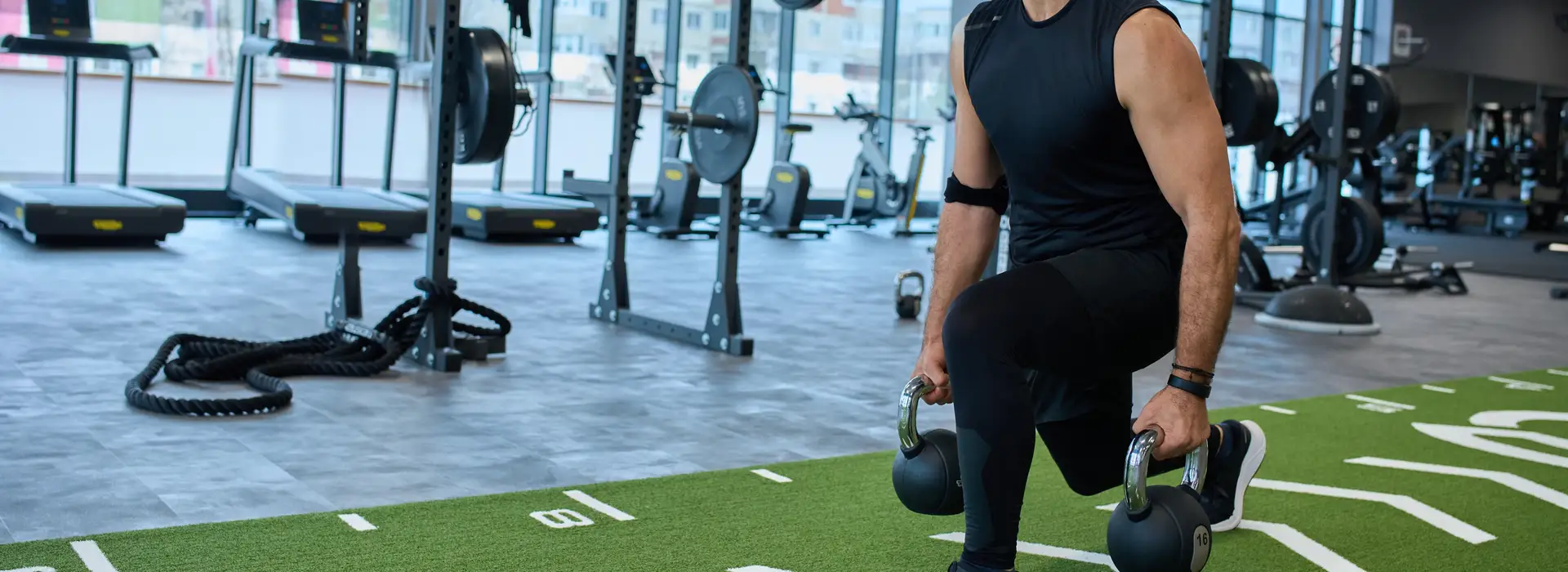
What Does Your Facility Say Before Anyone Says Hello?
Cleanliness isn’t just something your members see. It’s something they experience.
Your training turf is one of the largest and most heavily used surfaces in your facility. Sweat, skin contact, shoes, equipment, spills, and daily traffic make professional turf maintenance an important part of maintaining a clean, professional environment.
TurFresh provides professional artificial turf cleaning, odor control, maintenance, and restoration for fitness and athletic facilities.
Book Your Service Online
Choose your service, see your exact price, reserve your time. Under 5 minutes.
No payment required to book · Cancel anytime before service