
TL;DR
Artificial grass significantly reduces water use, eliminates pesticide runoff, and cuts emissions from gas-powered lawn equipment. The main environmental concern is PFAS, a group of persistent chemicals that may be present in some turf systems. Like solar panels or wind energy, artificial turf involves trade-offs. The environmental impact depends on product selection, maintenance practices, and long-term use.
Quick Answer
Artificial grass reduces water consumption, pesticide use, and lawn equipment emissions, but concerns exist about PFAS in some turf products. When properly selected and maintained, synthetic turf can be a practical environmental alternative to natural grass in drought-prone regions.
How Much Water Does Artificial Grass Actually Save?
Artificial grass eliminates routine irrigation, which can save tens of thousands of gallons of water per year.
According to the U.S. Environmental Protection Agency (EPA), the average American household uses about 50,000 gallons of water annually for outdoor irrigation. In drought-prone states like California, maintaining natural grass lawns requires substantial daily watering. Synthetic turf removes this ongoing demand.
For homeowners in arid regions, this reduces strain on municipal water systems and supports long-term conservation goals.
Key Data Source:
• U.S. Environmental Protection Agency, WaterSense at Home, 2020
Does Artificial Grass Reduce Carbon Emissions?
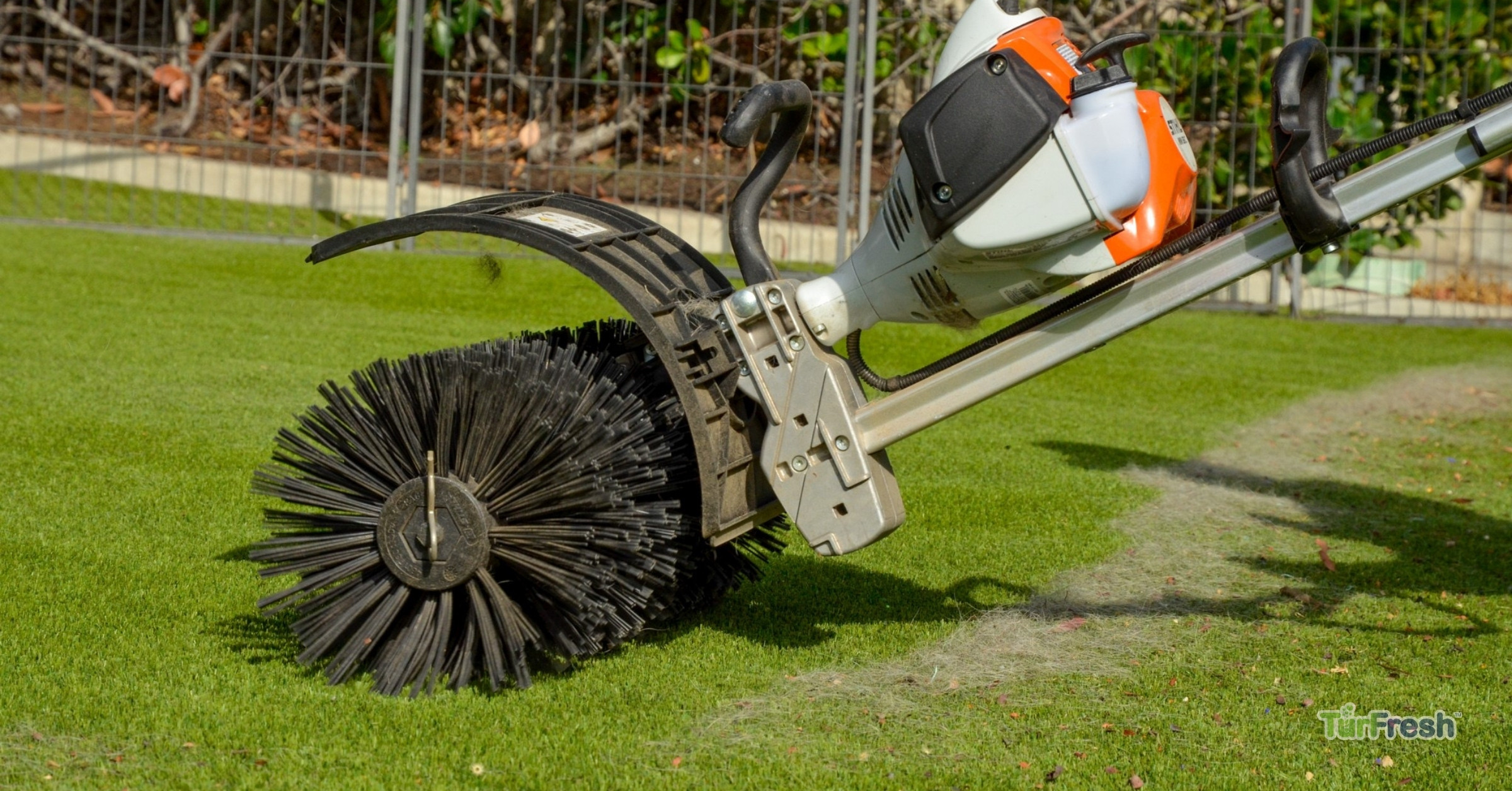
Yes. Artificial turf eliminates the need for gas-powered lawn equipment, which reduces carbon emissions and air pollution.
The California Air Resources Board estimates that gas-powered lawnmowers emit up to 12 times more pollution per hour than a modern passenger vehicle. A standard mower can produce approximately 87 pounds of carbon dioxide annually. Even 30 minutes of operation emits around 273 grams of carbon dioxide.
Traditional lawn maintenance also involves fuel-powered trucks, trimmers, and blowers. Removing that recurring activity reduces fossil fuel consumption and localized air pollution.
Key Data Source:
• California Air Resources Board Emission Inventory, 2020
Does Artificial Turf Prevent Pesticide Runoff?
Yes. Artificial grass eliminates the need for chemical fertilizers and pesticides used to maintain natural lawns.
Conventional turf management often involves herbicides and pesticides that can wash into storm drains and nearby waterways. This runoff has been linked to ecosystem disruption and marine contamination.
The Pesticide Action Network has highlighted the environmental risks associated with urban pesticide runoff. Synthetic turf removes the ongoing application of these chemicals.
Key Data Source:
• Pesticide Action Network Report, 2021
What Is PFAS and Why Is It Associated With Artificial Turf?
PFAS stands for per- and polyfluoroalkyl substances, a group of synthetic chemicals used for water, stain, and heat resistance.
Often referred to as “forever chemicals,” PFAS do not easily break down in the environment.
They have been used in:
• Non-stick cookware
• Water-resistant clothing
• Food packaging
• Stain-resistant carpets
• Firefighting foams
Some environmental groups, including the Environmental Working Group (EWG), have raised concerns that certain artificial turf systems may contain PFAS compounds that could persist in the environment.
However, PFAS are not exclusive to artificial grass. They are found in many modern consumer products.
Key Data Source:
Environmental Working Group Study, 2021
Is Artificial Turf PFAS-Free?
Not all artificial turf products are PFAS-free, but manufacturers are actively working to reduce or eliminate these substances.
The industry has evolved significantly, with increased transparency, improved material science, and greater scrutiny around chemical content. Some manufacturers now advertise PFAS-free or reduced-chemical turf systems.
Companies like TurFresh are researching cleaning methods designed to reduce or eliminate PFAS presence in existing turf systems. While early research shows promise, no cleaning solution can currently claim guaranteed PFAS removal.
Consumers should verify product specifications and ask manufacturers directly about PFAS content.
Are Environmental Concerns About Artificial Grass Unique?
No. Every environmental solution involves trade-offs.
For example:
• Wind turbines have raised concerns about bird and marine wildlife impacts.
• Solar panel production requires mining rare earth minerals and energy-intensive manufacturing.
• Disposal of aging renewable infrastructure presents waste management challenges.
A study published in Nature Sustainability in 2020 highlighted environmental costs associated with mining materials for solar panels, which are often overlooked in discussions about clean energy.
Artificial grass, like renewable energy technologies, must be evaluated within a broader environmental context.
Key Data Source:
Nature Sustainability, 2020
Do Water Conservation Efforts Lead to Higher Utility Rates?
In some cases, yes. Reduced consumption can shift how utilities recover fixed costs.
When water usage declines, utilities often adjust rate structures to maintain infrastructure funding. Bluefield Research reported that U.S. water and sewer bills increased 24% over five years, partly due to declining consumption and fixed operational costs.
Similarly, electricity grid maintenance costs remain constant even when households adopt solar power. In 2020, California proposed a monthly fixed charge to cover grid maintenance and wildfire risk reduction.
These examples demonstrate how environmental progress can create economic adjustments elsewhere.
Key Data Sources:
Bluefield Research, 2021
Associated Press, 2020
Atma Energy Report, 2021
Harris Water Rate Design Report, 2020
Is Artificial Grass an Environmentally Responsible Choice?
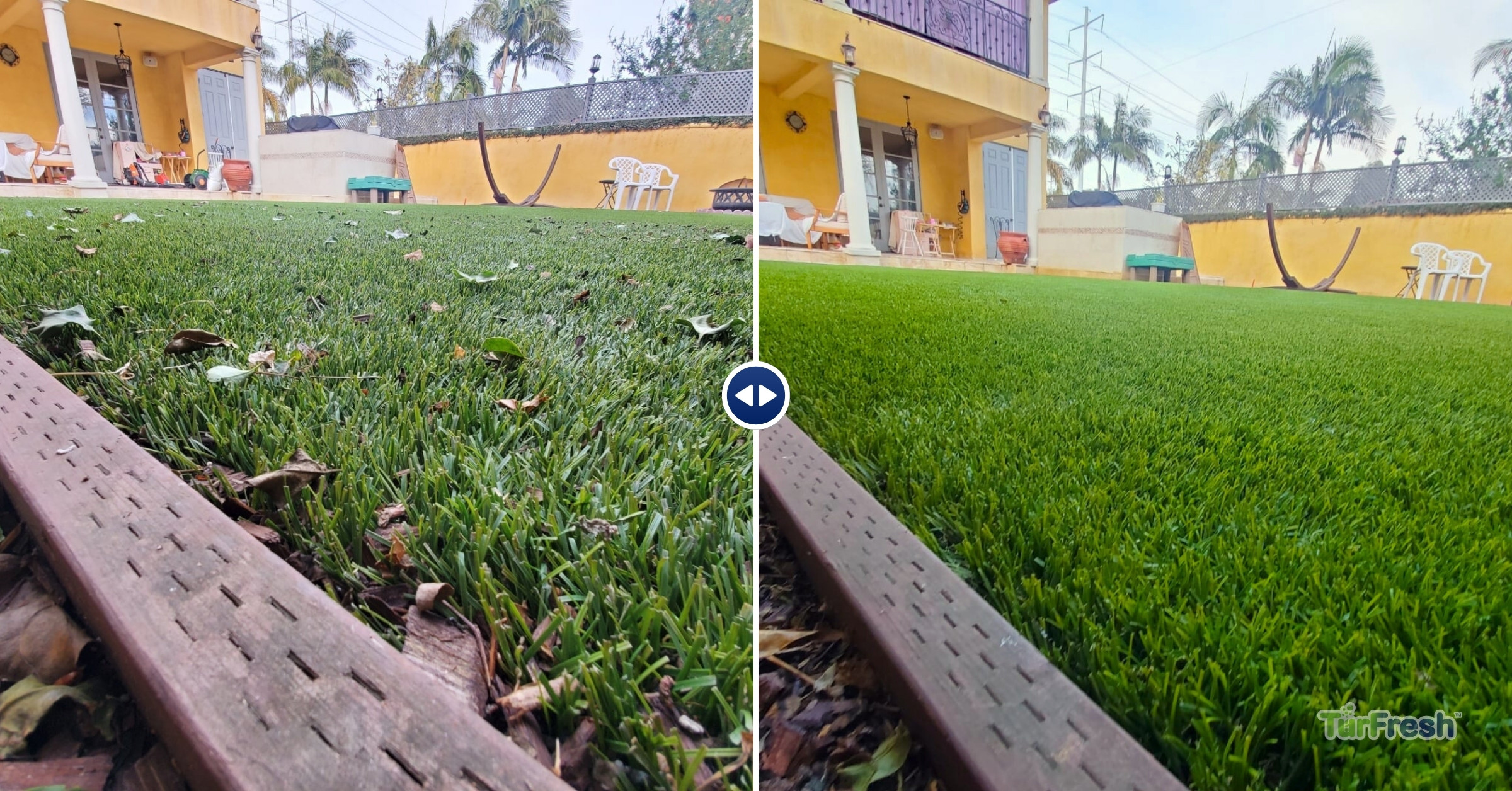
Artificial grass can be environmentally responsible when installed thoughtfully and maintained properly.
Its environmental advantages include:
• Significant water conservation
• Elimination of chemical pesticide runoff
• Reduction in lawn equipment emissions
• Lower ongoing fossil fuel use
Its environmental considerations include:
• Material sourcing
• Manufacturing impact
• Potential PFAS content
• End-of-life disposal
Like most infrastructure decisions, the sustainability outcome depends on product quality, installation standards, lifespan, and maintenance practices.
Practical Tips for Environmentally Responsible Artificial Turf Use
Choose Certified Products
• Request documentation from manufacturers regarding PFAS content and material composition.
Extend Turf Lifespan
• Proper cleaning and maintenance increase longevity and reduce replacement frequency.
Ask About Recyclability
• Some manufacturers offer recyclable turf systems. Verify disposal options before purchase.
Use Professional Cleaning
• Professional turf cleaning reduces odor, bacteria buildup, and surface contaminants without excessive water use.
Frequently Asked Questions
Is artificial grass better for drought-prone areas?
Yes. Artificial grass eliminates irrigation, making it particularly beneficial in drought-prone regions where outdoor watering restrictions are common.
Does artificial turf contribute to microplastic pollution?
Artificial turf is made of synthetic fibers, and wear over time may contribute to microplastic release. Choosing high-quality products and maintaining surfaces properly reduces fiber breakdown.
Can artificial turf be recycled?
Some modern turf systems are designed for recyclability, but options vary by manufacturer and region. Always confirm disposal pathways before installation.
Is artificial grass safe for pets?
Artificial grass is widely used for pet areas because it eliminates mud, reduces parasites associated with soil, and removes pesticide exposure from treated lawns. Proper cleaning is essential for hygiene.
Does artificial grass increase heat?
Artificial turf can retain heat more than natural grass. Newer products incorporate cooling technologies, and proper infill selection can help reduce surface temperature.
Final Perspective
Artificial grass is not a perfect environmental solution, but neither are natural lawns or renewable energy technologies. Every modern convenience involves trade-offs.
When evaluated holistically, artificial turf offers measurable water savings, eliminates pesticide runoff, and reduces emissions from lawn maintenance equipment. Concerns about PFAS deserve continued research and transparency, but they should be considered within the broader context of environmental decision-making.
The most responsible approach is informed selection, balanced discussion, and ongoing innovation.
References
U.S. Environmental Protection Agency. WaterSense at Home. 2020.
https://www.epa.gov/watersense/
Nature Sustainability. Environmental Costs of Solar Panels. 2020.
https://www.nature.com/
Pesticide Action Network Report. 2021.
Bluefield Research. U.S. Water and Sewer Bill Increase Report. 2021.
https://www.bluefieldresearch.com/ns/u-s-water-and-sewer-bill-has-increased-24-in-five-years-raising-affordability-concerns
Harris. Water Rate Design Report. 2020.
https://www.weareharris.com/resources/blog/water-rate-design-a-better-path-to-cost-recovery
Atma Energy. US Electricity Rates Report. 2021.
https://atma-energy.com/news/us-electricity-rates-are-soaring-whats-driving-the-spike
Associated Press. California Fixed Grid Charge Proposal. 2020.
https://apnews.com/article/7811236b91709ff47d279213c1e47a2f
Share


John Pla is the owner of TurFresh and an expert with over 20 years of experience in artificial turf cleaning and maintenance. John’s passion for sustainability, community impact, and innovative solutions has made him a trusted figure in the artificial grass industry and beyond.