
At TurFresh, one of the services we’re asked about the most is our artificial grass reblooming. After all, synthetic grass technically doesn’t bloom in the first place, so how can it rebloom? Reblooming is the act of getting your synthetic turf blades to stand back on end after being matted down. While it may not sound like much, it’s actually very important to the health of your artificial grass lawn and is the first step in the 10-point cleaning service we offer to Santa Ana homes and businesses.
Artificial turf reblooming is the process of lifting flattened synthetic grass blades so they stand upright again, restoring both appearance and performance.
TL;DR:
Artificial turf reblooming restores flattened turf blades, improves drainage, removes trapped debris, and helps synthetic grass look and function like new. It is a foundational step in professional artificial turf cleaning and long-term maintenance.
Quick Answer
- Artificial turf reblooming is the process of brushing synthetic grass against the grain to lift matted blades, improve drainage, and refresh the look of the turf.
What Does Artificial Turf Reblooming Mean?
Artificial turf reblooming means restoring flattened or matted synthetic grass blades so they stand upright again.
Over time, foot traffic, pets, furniture, and weather cause turf blades to lean or lay flat. Reblooming uses brushing or grooming tools to lift the blades back into position without damaging the turf. While synthetic grass does not grow or bloom, reblooming brings back the full, natural look it had when first installed.
Why Is Turf Reblooming Important?
Turf reblooming is important because it improves appearance, drainage, safety, and overall turf health.
When artificial grass remains matted, it looks worn and uneven. Flattened blades can also slow drainage, allowing water to pool on the surface after rain or cleaning. Reblooming corrects this by opening up the turf structure, helping water flow through the infill and base layers as designed.
How Does Artificial Grass Get Flattened Over Time?
Artificial grass becomes flattened due to regular use and environmental exposure.
Heavy foot traffic, pets running on the turf, outdoor furniture, rainfall, and debris buildup all press turf blades down. Without routine reblooming, the turf slowly loses its upright appearance and may start to feel compacted underfoot.
How Does Reblooming Improve Drainage?
Reblooming improves drainage by lifting turf blades and releasing compacted debris and infill.
When turf is matted, leaves, pet hair, pebbles, and dirt can clog the spaces between blades. This restricts water movement and increases the chance of surface puddles. Reblooming clears this buildup and allows water to drain properly through the turf backing and base layers.
Is Reblooming the Same as Artificial Turf Rejuvenation?
Reblooming is a key part of artificial turf rejuvenation, but it is not the entire process.
Artificial turf rejuvenation typically includes:
- Reblooming to lift blades
- Edge re-tucking where turf has shifted
- Infill redistribution or replacement
- Deep cleaning and deodorizing treatments
Reblooming is usually performed first because it prepares the turf for all other maintenance steps.
How Is Artificial Turf Rebloomed Professionally?
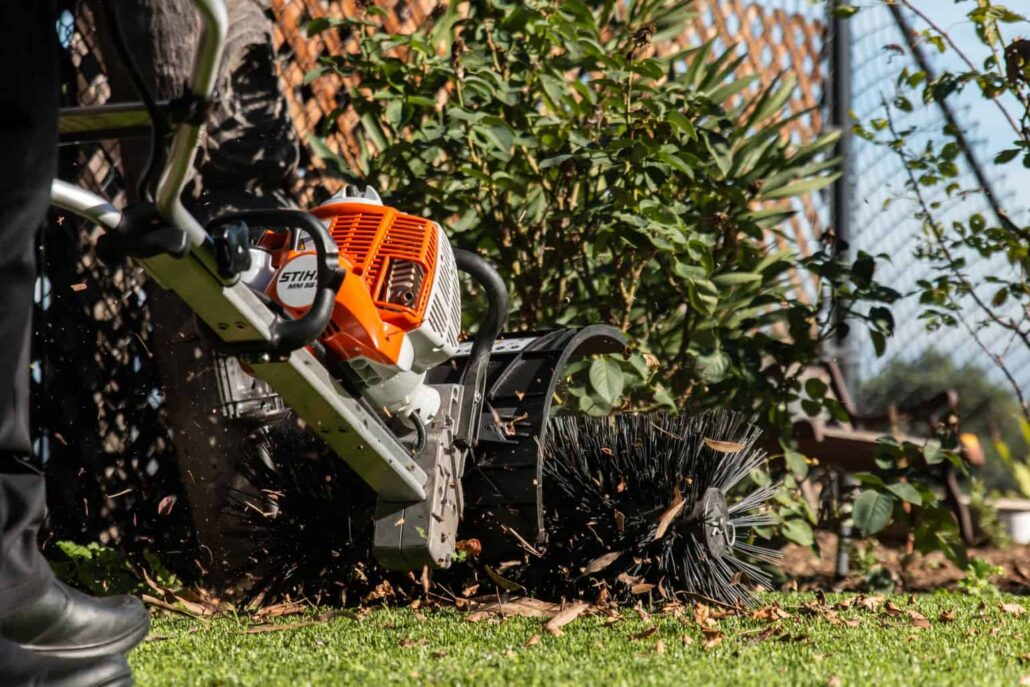
Professional turf reblooming is done using specialized rotating brush equipment designed for synthetic grass.
Professional tools use soft, synthetic bristles that rotate and gently lift turf blades without tearing or fraying them. This method is more consistent and effective than manual brushing, especially for heavily compacted or high-traffic areas.
At TurFresh, reblooming is the first step in a 10-point turf cleaning process, ensuring the lawn is properly prepared before infill work or cleaning treatments begin.
Can You Rebloom Artificial Turf Yourself?
Yes, artificial turf can be rebloomed at home using the right tools and technique.
A broom, turf rake, or grooming comb with soft synthetic bristles can be used to brush turf against the grain. This helps lift blades and remove surface debris. Metal rakes or stiff bristles should be avoided, as they can damage turf fibers.
For best results, rebloom turf when it is dry and work in small sections to avoid uneven lifting.
What Tools Are Used for Artificial Grass Reblooming?
Artificial grass reblooming tools include turf groomers, soft-bristle brooms, and rotating brush systems.
Common options include:
- Handheld turf combs or groomers
- Push brooms with synthetic bristles
- Professional rotating brush machines
Using the correct tool helps protect the turf while restoring blade structure effectively.
How Often Should Artificial Turf Be Rebloomed?
Most artificial turf should be rebloomed every few months, depending on use.
High-traffic areas, pet zones, and commercial spaces may need reblooming more frequently. Light-use residential lawns may only need occasional grooming. Regular reblooming helps extend turf lifespan and maintain a consistent appearance.
Does Reblooming Remove Debris From Artificial Turf?
Yes, reblooming helps remove debris trapped between turf blades.
As blades are lifted, leaves, pet hair, dirt, and small stones are released from the turf surface. Removing this debris improves drainage, reduces odors, and prepares the turf for deeper cleaning or infill adjustment.
Is Turf Reblooming Safe for Kids and Pets?
Turf reblooming is safe for kids and pets when performed correctly and without harsh chemicals.
Professional services use kid- and pet-friendly cleaning products and soft brushing tools. Once reblooming and cleaning are complete, the turf is safe to use without health concerns.
Tips for Maintaining Upright Artificial Turf
- Brush turf against the grain regularly
Light brushing every few weeks prevents heavy matting from forming. - Remove debris promptly
Leaves and pet hair left on turf contribute to compaction over time. - Avoid heavy furniture pressure
Move furniture periodically to prevent permanent blade flattening. - Schedule professional cleaning when needed
Deep reblooming and infill work restore turf beyond what home tools can achieve.
When Should You Hire a Professional Turf Reblooming Service?
You should hire a professional turf reblooming service when turf is heavily compacted, uneven, or showing drainage issues.
Professional cleaning restores turf appearance, improves performance, and protects the integrity of the synthetic fibers. TurFresh has been cleaning and reblooming artificial turf since 1999 using a proven 10-point process designed for both homes and businesses.
Frequently Asked Questions About Artificial Turf Reblooming
What is turf reblooming?
Turf reblooming is the process of lifting flattened synthetic grass blades so they stand upright again.
Does artificial grass need reblooming?
Yes, artificial grass needs reblooming to maintain appearance, drainage, and performance over time.
Is reblooming bad for artificial turf?
No, reblooming is safe when done with soft synthetic bristles and proper technique.
Can reblooming fix worn artificial turf?
Reblooming improves appearance and function, but severely damaged turf may require repairs or replacement.
How long does turf reblooming take?
Reblooming time depends on lawn size, but most residential yards can be rebloomed within an hour.
Share

John Pla is the owner of TurFresh and an expert with over 20 years of experience in artificial turf cleaning and maintenance. John’s passion for sustainability, community impact, and innovative solutions has made him a trusted figure in the artificial grass industry and beyond.