How to Maintain a Clean and Safe Playground with Artificial Grass
Feb 24, 2025 · 14 min read · By John Pla, Founder of TurFresh
Quick Answer: Playground turf maintenance for schools, daycares, and HOAs requires daily debris removal, rinsing 2-3 times per week, weekly brushing against the grain to prevent matting, same-day spill cleanup, monthly sanitization with a turf-safe enzymatic cleaner, and professional deep cleaning 2-3 times per year. High-traffic institutional areas accumulate bacteria and compact infill far faster than residential turf, so frequency matters more than product choice.
Your turf needs more than a weekly rinse.
TurFresh provides professional deep cleaning for institutional play areas safe for kids, documented for compliance, done right.
Get a Cleaning Quote✔ Pet and Child Safe✔ Eco Friendly✔ 20+ Years Experience✔ 30-Day Guarantee
How Do You Maintain Synthetic Turf on a Playground?
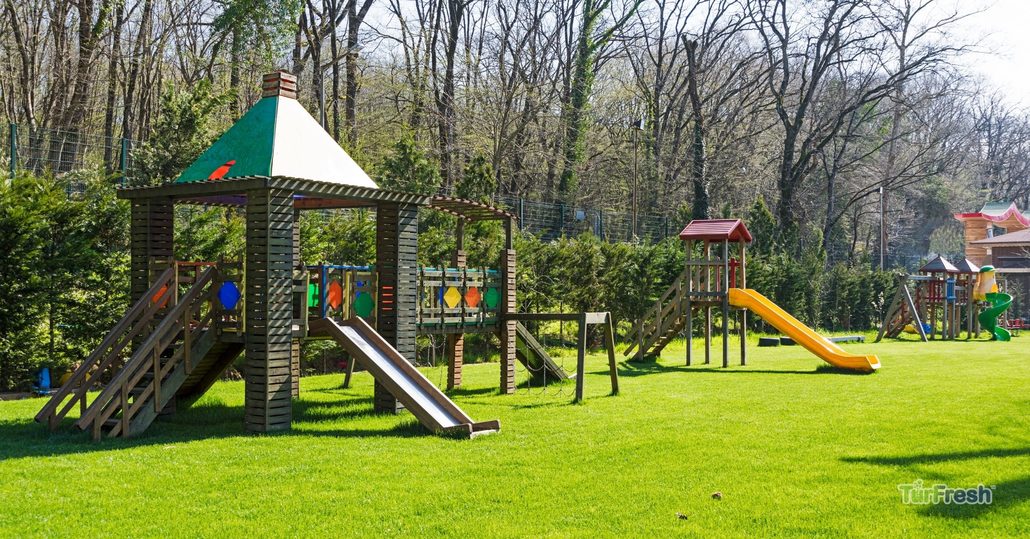
You maintain playground synthetic turf by following a repeatable routine matched to how heavily the area is used. A school with 400 students running recess twice daily needs a different schedule than a small backyard play area. The table below maps cleaning tasks to institution type.
Maintenance Schedule by Facility Type
🏫 School / Daycare
➧ Debris removal: Daily, after recess or end of day ➧ Rinse: 2-3x per week ➧ Brushing: Weekly ➧ Spot clean spills: Same day ➧ Sanitize: Monthly or after illness events ➧ Professional deep clean: 2-3x per year
🏘️ HOA / Community Park
➧ Debris removal: 2-3x per week ➧ Rinse: Weekly ➧ Brushing: Every 2 weeks ➧ Spot clean spills: Same day ➧ Sanitize: Quarterly ➧ Professional deep clean: 1-2x per year
🏡 Backyard Play Area
➧ Debris removal: Weekly ➧ Rinse: Weekly ➧ Brushing: Monthly ➧ Spot clean spills: Same day ➧ Sanitize: As needed ➧ Professional deep clean: 1x per yearThe CPSC Public Playground Safety Handbook recommends keeping written maintenance and inspection logs for all playground surfaces. A maintenance log also protects your organization if an injury claim is ever filed.
Complete Guide
📖 Helpful Artificial Turf Maintenance Tips for Doggy Daycares, professional cleaning frequency, enzyme treatment, drainage, and keeping high-traffic turf safe for dogs and staff.
How Do You Prevent Matting on Playground Turf?
You prevent matting by brushing regularly against the grain in the highest traffic zones. Under slides, along swing paths, and at entry points flatten faster than anywhere else because children land and run in the same spot hundreds of times per week.
What to do
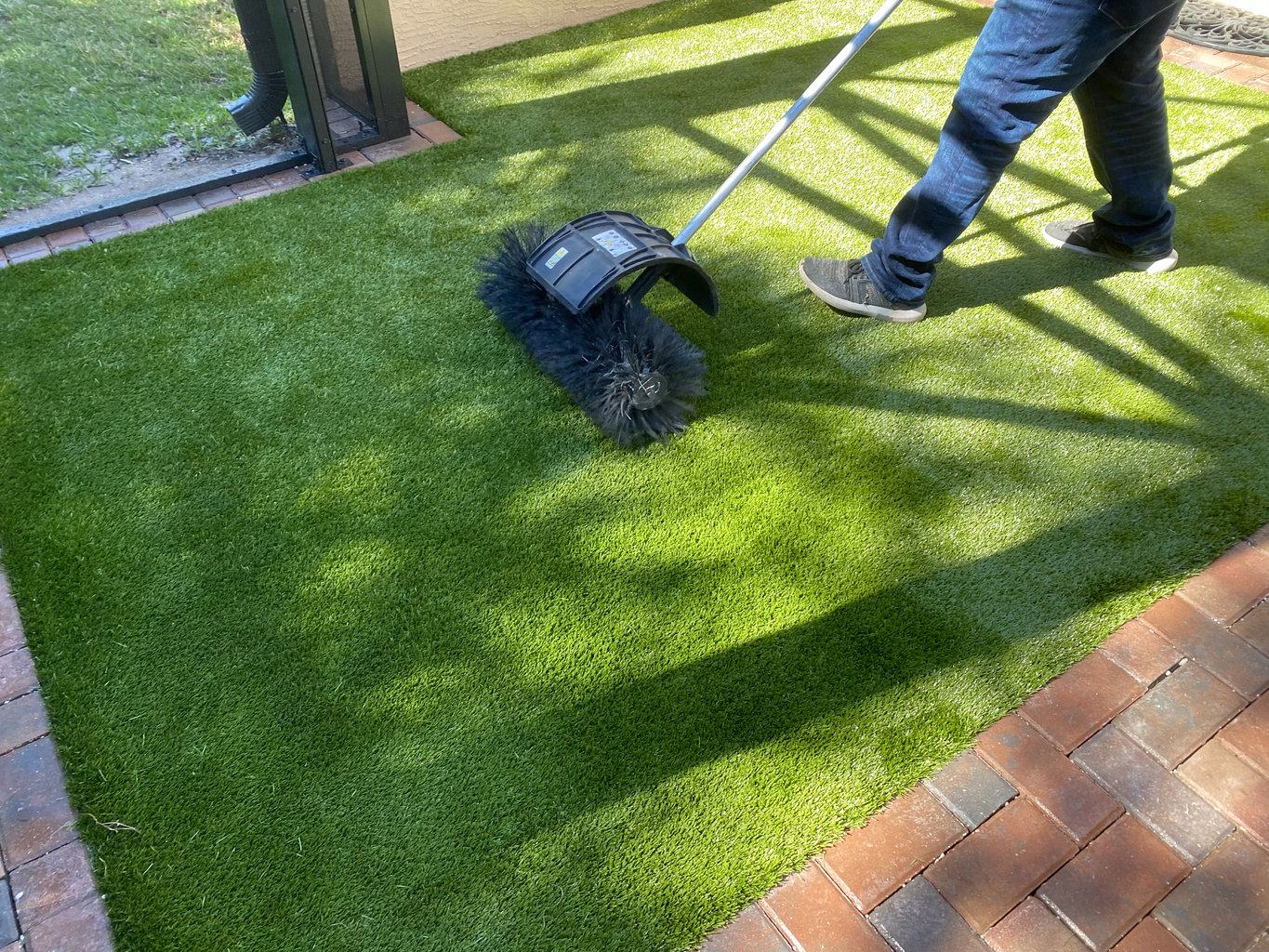
✅ Use a soft-bristle broom or a power broom for large areas
✅ Brush against the grain using firm, steady strokes
✅ Cross-brush lanes that see constant directional traffic
✅ Pay attention to infill distribution matted areas usually have depleted infill underneath
If fibers stay flat after brushing, the problem is compacted infill, not the fibers themselves. Redistributing or adding infill restores bounce and cushioning. This matters for fall protection compliance compacted infill reduces the turf system's ability to absorb impact.
How Often Should You Rinse Playground Artificial Turf?
For schools and daycares, rinse two to three times per week. For lower-traffic community spaces, once per week is sufficient. Rinsing removes dust, pollen, food residue, and light contamination before it works its way into the infill layer where it is much harder to remove.
How to rinse correctly
👉 1. Use a garden hose with a fan or shower spray setting avoid high-pressure
👉 2. Start at one end and work across so debris flushes in one direction
👉 3. Focus extra time on shaded zones, corners, and areas under equipment where debris collects and stays damp
👉 4. Let the surface dry before children return to play in warm weather
High-pressure rinsing can displace infill and damage fiber backing over time. A standard garden hose is all you need for routine maintenance. Save the pressure washing question for a professional assessment.
Is Artificial Turf Safe for Children? What Facility Managers Need to Know in 2025
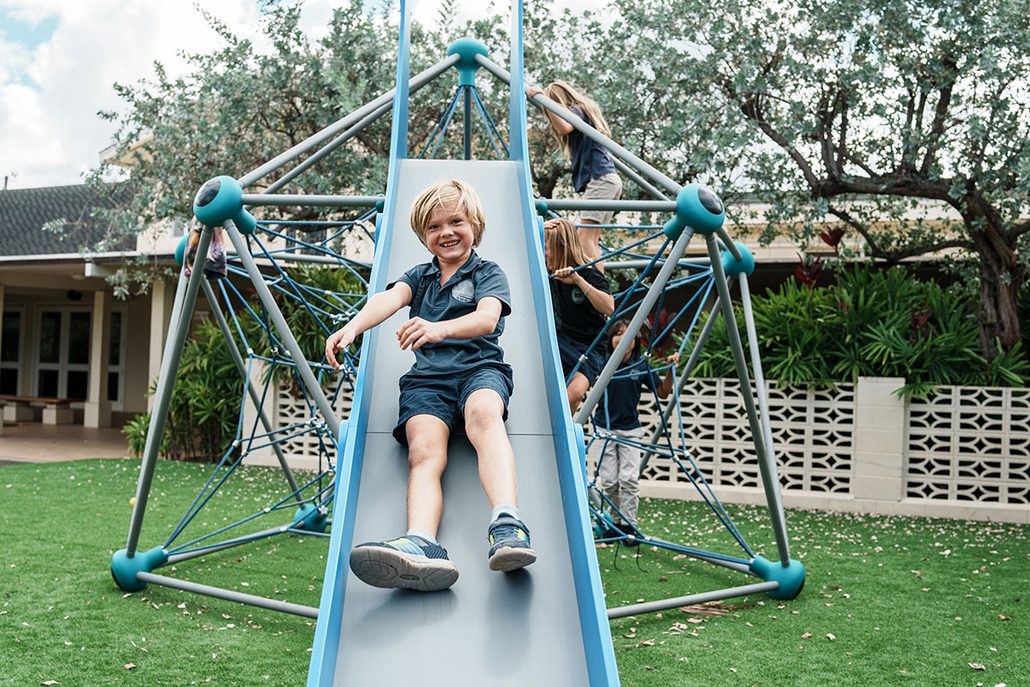
This is the question parents are asking school boards right now, and facility managers need a clear, accurate answer.
The short answer: properly maintained artificial turf is a safe surface for children's play. The nuance is in the words "properly maintained" and "right product."
What the current evidence shows
➧ PFAS concerns A 2025 New York Times investigation reported that some manufacturers previously used PFAS in turf yarn. Major suppliers have since reformulated. If your playground turf was installed before 2022, ask your installer for product documentation confirming PFAS-free materials. For new installations, request PFAS-free certification in writing.
➧ Crumb rubber infill The California Office of Environmental Health Hazard Assessment (OEHHA) completed a review of crumb rubber infill in 2025. If your facility uses crumb rubber, review the updated guidance. Sand, cork, and thermoplastic elastomer (TPE) infills are widely used alternatives with a cleaner safety profile.
➧ Heat Artificial turf surfaces can reach significantly higher temperatures than natural grass in direct sun. For schools and daycares, consider shade structures over high-use areas and establish a heat protocol: check surface temperature before recess on hot days, and restrict play on surfaces that exceed safe thresholds.
➧ Bacteria and hygiene A clean turf surface is not inherently less hygienic than natural grass. Regular rinsing, prompt removal of food waste and pet waste, and periodic sanitization with a turf-safe enzymatic cleaner like TurFresh BioS+ keeps bacteria levels well within safe limits.
If parents ask about turf safety at your facility, the strongest answer is a documented maintenance log, a confirmed PFAS-free product spec sheet, and a scheduled professional cleaning program. That combination shows proactive stewardship, not just a talking point.
How Do You Remove Spills and Stains from Playground Turf?
You remove spills by acting the same day with mild soap, warm water, and a thorough rinse. In a school or daycare setting, spills happen constantly: juice boxes, snack foods, paint from adjacent art areas, and sunscreen. Same-day cleanup prevents staining and keeps the surface from developing sticky spots that attract more debris.
Spot-cleaning steps
👉 1. Remove solids and blot liquids immediately
👉 2. Mix a small amount of mild dish soap with warm water
👉 3. Apply with a soft cloth or brush and scrub the affected area gently
👉 4. Rinse thoroughly rinse twice if the spill was sticky or colored
👉 5. Allow to air dry before resuming play
Soap residue that is not rinsed out attracts more dirt and creates a darkening effect over time. Rinse more than you think you need to.
How Do You Sanitize Artificial Grass Safely for Schools and Daycares?
You sanitize by cleaning first, then applying a turf-safe disinfectant when there is a clear reason to do so: after an illness event, after heavy contamination, or as part of a scheduled sanitation program.
CDC guidance for facilities recommends cleaning as the primary step, with disinfection used when appropriate and applied safely. For synthetic turf, this means using products that are non-toxic to children and pets, pH-neutral for turf fibers, and enzyme-based for lasting odor and bacteria control.
Practical sanitation approach for schools
✔ Clean the surface first disinfectant does not work on dirty surfaces
✔ Use a turf-safe enzymatic cleaner as your standard sanitizer
✔ Apply after confirmed illness events (norovirus, pinkeye outbreaks) that may have involved outdoor play areas
✔ Document each sanitation event in your maintenance log
✔ Allow drying time before children return follow product label directions
TurFresh BioS+ is non-toxic, safe around children and pets, and uses enzymatic ingredients that eliminate odor-causing bacteria at the source rather than masking them with fragrance.
For schools subject to health department inspections, a documented sanitation schedule using a certified-safe product is far more defensible than ad-hoc treatment. Build it into your calendar, not just your reaction plan.
How Much Does Playground Turf Cleaning Cost?
Professional playground turf cleaning typically ranges from $0.10 to $0.35 per square foot depending on the size of the area, condition of the surface, frequency of service, and whether reblooming or infill treatment is included.
For context: ➧ A 2,000 sq ft school playground: roughly $200 to $700 per service ➧ A 5,000 sq ft community park area: roughly $500 to $1,750 per service ➧ Annual contract pricing for two to three cleanings per year typically reduces the per-service cost significantly
These are general estimates. The actual cost depends on your location and the specific condition of your turf. Getting a formal assessment is the only reliable way to price your facility.
For schools and HOAs working with a facilities budget, annual professional cleaning almost always costs less than addressing a full turf odor or compaction problem after it develops. Prevention is the better financial decision.
When Should You Book a Playground Turf Cleaning Service?
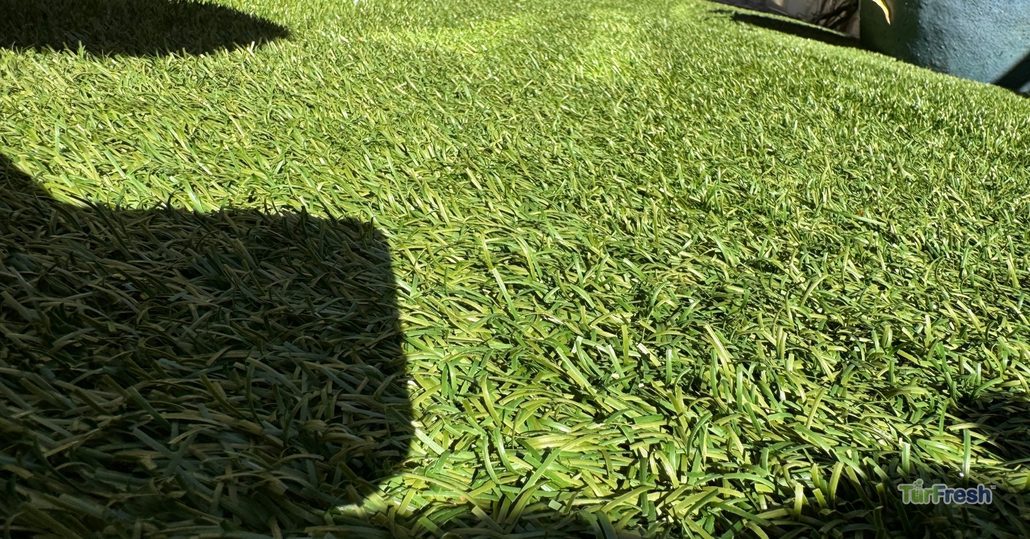
Book a professional cleaning when routine maintenance stops solving the visible problems, when the area is too large or too high-use to manage with a hose and broom, or when you need documented service records for compliance or parent communication.
Signs it is time for professional cleaning
⚠️ Fibers stay flat after brushing compacted infill needs professional redistribution
⚠️ Odor returns within days of rinsing bacterial buildup in the infill layer is the cause
⚠️ Visible staining or grime that does not respond to spot cleaning
⚠️ Infill feels hard or uneven underfoot fall protection may be compromised as a result
⚠️ You have not had professional service in over 12 months and the area sees daily use
⚠️ Preparing for a facility inspection, new school year, or season opening
Professional turf cleaning services like TurfClean address compacted infill, deep-set bacteria, and embedded debris that routine maintenance cannot reach. TurFresh also provides documentation of service that schools and HOAs can keep on file.
Professional cleaning gets to where a hose cannot.
TurFresh cleans down to the infill layer and provides service documentation for schools, daycares, and HOAs.
Schedule Your Playground Cleaning✔ Child Safe✔ Eco Friendly✔ 20+ Years Experience✔ 30-Day Guarantee
Key Takeaways for Facility Managers
🔑 Match your cleaning frequency to actual traffic schools need 2-3x more maintenance than a residential yard
🔑 Keep a written maintenance log it protects your organization and satisfies compliance requirements
🔑 Address PFAS and safety questions proactively request product documentation and have a prepared answer for parents
🔑 Compacted infill is the most common cause of recurring odor and flat fibers professional service is the only reliable fix
🔑 Budget for professional cleaning 1-3x per year it costs less than fixing a neglected surface
Frequently Asked Questions
How do you maintain artificial grass on a playground?
Remove debris daily or after each heavy use period, rinse two to three times per week for schools and daycares, brush weekly against the grain to prevent matting, spot-clean spills the same day, sanitize monthly or after illness events, and schedule professional deep cleaning one to three times per year depending on traffic.How often should playground turf be cleaned at schools?
Schools benefit most from daily debris removal after recess, rinsing two to three times per week, weekly brushing, monthly sanitization, and professional deep cleaning two to three times per year. The higher the daily foot traffic, the more frequent each step should be.Is artificial turf safe for children on school playgrounds?
Properly maintained artificial turf is considered safe for children's play. Key factors are using PFAS-free materials (request product documentation for installations before 2022), avoiding crumb rubber infill if possible, monitoring surface temperature on hot days, and maintaining regular cleaning to control bacteria. The CPSC and ASTM publish ongoing playground surface safety standards that cover synthetic turf systems.What is the best way to stop synthetic turf from matting in play areas?
Brush regularly against the grain using a soft-bristle broom or power broom, focusing on high-traffic zones like slide exits, swing paths, and entry points. If fibers remain flat after brushing, the infill is compacted and needs professional redistribution.How much does playground turf cleaning cost?
Professional playground turf cleaning generally ranges from $0.10 to $0.35 per square foot. A 2,000 sq ft school playground typically costs $200 to $700 per service. Annual contracts covering two to three cleanings usually reduce the per-visit cost. Get a formal assessment for accurate pricing for your facility.What do you use to sanitize artificial grass at a school or daycare?
Use a turf-safe enzymatic cleaner that is non-toxic and pH-neutral. Clean the surface before applying any sanitizer. Document each sanitation event. Products like TurFresh BioS+ are formulated specifically for this use case and are safe around children and pets.When should a school book a professional playground turf cleaning service?
Book professional service when odors persist after rinsing, fibers stay flat after brushing, infill feels hard or uneven, staining is embedded, or when the area has not had professional attention in over 12 months and sees daily use. Schools should also schedule a cleaning before the new school year, before seasonal inspections, and after any major contamination event.Does playground turf need a maintenance log?
Yes. The CPSC Public Playground Safety Handbook recommends keeping written inspection and maintenance records for all playground surfaces. A maintenance log also provides documentation if a safety incident or health concern is ever raised about the facility.What is the difference between routine playground turf maintenance and professional cleaning?
Routine maintenance rinsing, brushing, spot cleaning addresses the surface layer. Professional cleaning penetrates to the infill and backing layer where bacteria, odor compounds, and compacted debris accumulate. For high-traffic institutional areas, professional cleaning is what resets the surface; routine maintenance is what keeps it there between visits.How do you clean spills on artificial grass in a play area?
Remove solids and blot liquids immediately. Apply a mild soap and warm water solution with a soft cloth, scrub gently, then rinse thoroughly twice. Same-day cleanup prevents staining and stops sticky residue from building up.What causes artificial turf to smell on playgrounds?
Odor on playground turf is almost always caused by bacteria and organic residue that has accumulated in the infill layer. Rinsing addresses the surface but does not reach the infill. If odor returns quickly after rinsing, enzyme-based treatment and professional cleaning are needed to address the source.Can you pressure wash a school playground with artificial turf?
Not for routine maintenance. High-pressure washing can displace infill, damage fiber backing, and reduce the cushioning that protects children from falls. A garden hose with a fan spray setting is appropriate for routine rinsing. Pressure washing should only be done by professionals who can control pressure settings and manage infill integrity.