Does Artificial Grass Drain Well? How It Works and What Slows It Down
Mar 3, 2020 · 14 min read · By John Pla, Founder of TurFresh
Quick Answer: Does artificial grass drain well? Yes. According to turf manufacturers and independent testing, synthetic turf drains 30 to 1,200 inches per hour compared to natural grass at 1 to 3 inches per hour. When drainage slows, the cause is almost always matted fibers, compacted infill, or debris buildup, all resolvable through proper maintenance.
The problem is in the infill, not on the surface.
TurFresh restores drainage by cleaning the infill and backing layer where buildup actually lives. No guesswork, no damage to fibers.
Schedule Your Turf Cleaning✔ Pet Safe✔ Eco Friendly✔ 20+ Years Experience✔ 30-Day Guarantee
Does Artificial Turf Drain Well Compared to Natural Grass?
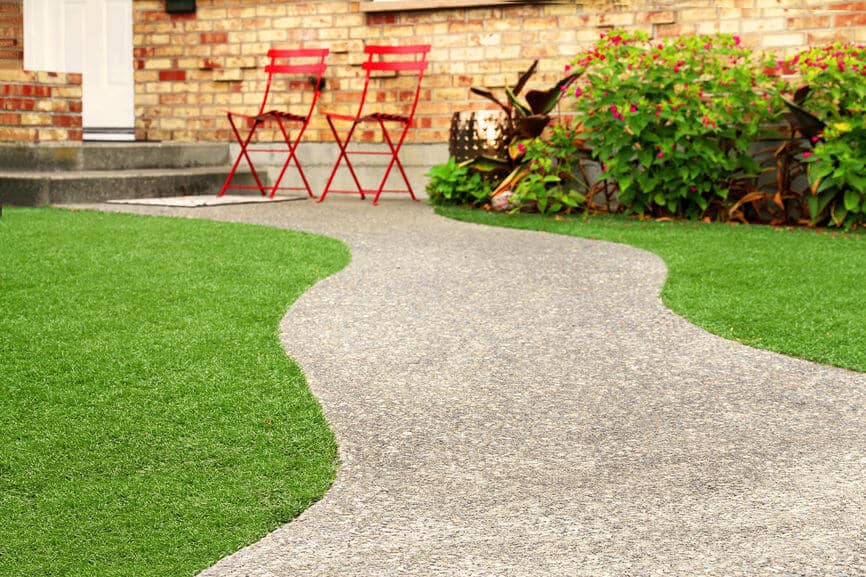
Artificial turf drains significantly better than natural grass when it is clean and properly maintained. According to turf manufacturers and independent testing, synthetic turf systems drain between 30 and 1,200 inches of water per hour. Natural grass drains 1 to 3 inches per hour on average, and that rate drops further when soil is compacted or saturated.
That difference is the reason synthetic turf surfaces stay playable after rain when natural grass fields become muddy and unsafe. It is also why properly maintained artificial turf does not produce the standing water and odor problems that homeowners sometimes associate with the material.
The key phrase is "properly maintained." Drainage rates measured at installation assume clean, open backing and infill. Real-world drainage performance depends on what accumulates in the turf system over time.
Natural grass drainage depends entirely on soil condition. Clay soils can drop to near-zero permeability when saturated. Artificial turf drainage is a function of the turf system itself, which means it is predictable, measurable, and restorable through maintenance.
How Does Artificial Turf Drain Water?
Artificial turf drains water through three components working together: the perforated backing, the infill layer, and the sub-base beneath the turf system.
➧ Perforated backing: Most artificial turf products have thousands of small holes punched or woven into the backing material. Water passes through these holes from the surface into the layers below. Premium products have more holes per square foot, which increases drainage capacity.
➧ Infill layer: The infill (typically silica sand, crumb rubber, or a deodorizing product like TurFill) sits between the turf fibers and supports them in an upright position. When infill is evenly distributed and not compacted, water flows freely through it toward the backing holes.
➧ Sub-base: Beneath the turf and its backing sits a compacted aggregate base, typically crushed stone or decomposed granite. This layer absorbs and disperses water that passes through the turf system and directs it away from the surface.
When all three components are in good condition, water moves from the surface to the ground below within seconds. When any one component is compromised, drainage slows or stops.
What Causes Artificial Turf to Stop Draining Properly?
According to turf maintenance professionals, the three most common causes of drainage failure in artificial turf are matted fibers, compacted infill, and debris accumulation. Each restricts water flow through a different part of the turf system.
Matted Turf Fibers
Matted fibers reduce drainage by closing off the space between blades where water needs to move. Heavy foot traffic, pets running the same path repeatedly, and lawn equipment left on the surface all flatten fibers over time. Once fibers are pressed flat, water sits on the surface instead of flowing through.
Matting is most severe in predictable zones: entry points, paths from the house to the yard, areas beneath outdoor furniture, and spots where dogs tend to run or rest.
Compacted Infill
Compacted infill reduces drainage by filling the open spaces between fibers with dense, hard-packed material that water cannot penetrate quickly. Infill compaction develops gradually and is often invisible until drainage visibly slows.
Silica sand, crumb rubber, and organic infill materials all compact over time under load. In high-traffic areas, compaction can reduce drainage capacity significantly within one to two seasons without intervention.
Debris Accumulation
Leaves, twigs, pebbles, and fine organic matter accumulate between turf fibers and act as a physical barrier to water flow. Light debris that settles on the surface can work its way down into the infill layer where it is much harder to remove with a standard rinse.
According to TurFresh's 10-point turf cleaning process, de-compacting infill and removing embedded debris are two of the most critical steps for restoring drainage performance. Surface rinsing reaches the top layer. Professional cleaning reaches the infill and backing where the restriction actually lives.
Complete Guide
📖 Artificial Turf Problems: 9 Most Common Issues, causes, fixes, and when to call a professional for weeds, mold, pests, drainage, infill, and more.
Why Is Pet Hair the Hidden Drainage Problem Most Homeowners Miss?
Pet hair is the most underestimated drainage blocker in residential artificial turf, and it is the one most likely to go undetected until damage is done. Unlike leaves or pebbles, shed pet hair is lightweight, fine, and transparent to a casual inspection. It settles between turf blades and compresses into a felt-like layer that water cannot pass through.
Homes with dogs shed enough hair to meaningfully restrict drainage within a single season, particularly in areas where dogs run repeatedly or lie down to rest. The problem is most visible along turf edges where hair accumulates on the surface, but by the time it is visible at the edges, it is already present throughout the interior of the lawn at the infill level.
The consequences of unaddressed pet hair buildup are drainage slowdown, retained moisture, and odor. The turf is not failing to drain. It has been physically blocked.
Signs pet hair is affecting your turf drainage:
⚠️ Puddles forming in spots that never pooled when the turf was new ⚠️ Odor that returns quickly after rinsing, especially in pet zones ⚠️ Visible hair accumulation along turf edges or at fence lines ⚠️ Fibers that feel stiff or matted in areas where dogs rest or run
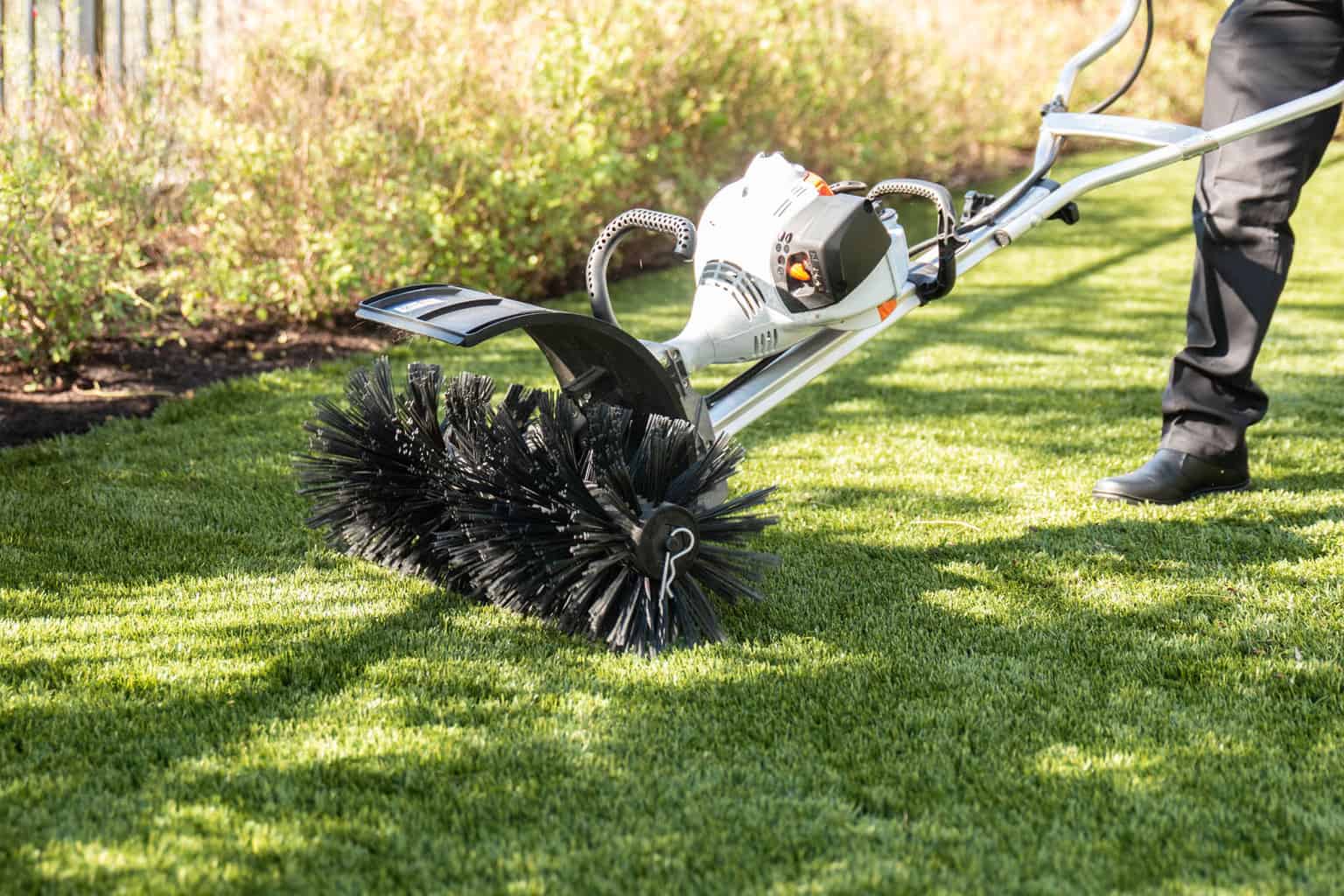
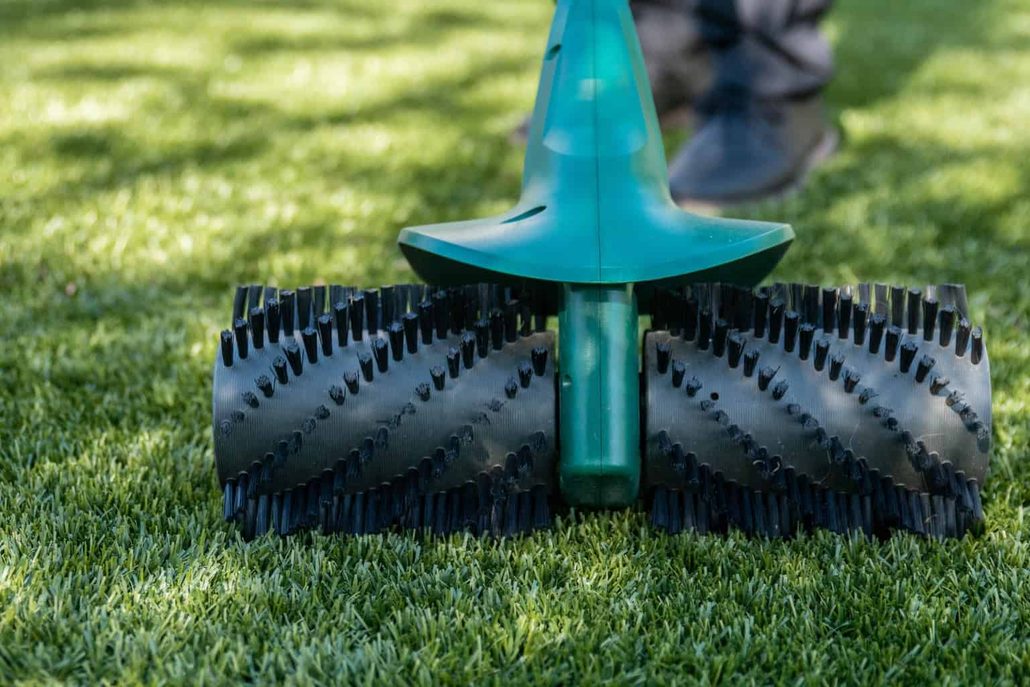
TurFresh TurfComb is designed to penetrate between turf blades and pull out pet hair and fine debris without damaging the fibers. For severe buildup, the TurFlush system uses controlled pressure washing to flush contaminants from the infill layer and restore drainage pathways that surface tools cannot reach.
Does Artificial Turf Drain Well in Hot or Wet Climates?
Climate affects drainage performance in ways that most installation guides do not explain clearly. The turf system itself drains the same regardless of climate, but the sub-base and surrounding soil conditions vary significantly by region.
Hot, dry climates (Arizona, Nevada, Southern California)
In arid regions, the sub-base can develop a hydrophobic crust from years of sun exposure and mineral deposits. This crust prevents water from absorbing into the ground even when it passes cleanly through the turf backing. The result is water pooling just below the turf surface.
Signs of this problem: water drains through the turf but pools under it, or the turf feels spongy after irrigation or rain. The fix is sub-base rehabilitation, not turf replacement.
High-rainfall climates (Florida, Pacific Northwest, Gulf Coast)
In wet climates, the primary risk is the sub-base becoming saturated during extended rain events. A properly compacted crushed stone base handles this well. Problems arise when the base was installed with too much fine material (soil, sand) that retains water rather than dispersing it.
Turf around pools in these climates also accumulates chemical residue from pool water that can affect infill performance over time.
All climates: the weed barrier risk
A non-permeable weed barrier installed beneath the turf is one of the most common causes of drainage failure across all climates. It blocks water at the sub-base level regardless of how well the turf itself drains. If your turf pools consistently despite clean fibers and infill, the weed barrier is the first thing to investigate.
Drainage problems that appear suddenly after years of normal performance are usually a sub-base or weed barrier issue, not a turf issue. Drainage problems that develop gradually over months are almost always infill compaction or debris buildup, both resolvable through maintenance.
How Do You Restore Artificial Turf Drainage?
Restoring drainage depends on which part of the system is causing the restriction. According to TurFresh's service process, most residential drainage problems fall into one of three categories, each with a different solution.
For matted fibers
👉 Brush or rake the turf against the grain using a soft-bristle tool or TurfComb 👉 Focus on high-traffic zones where matting is most severe 👉 Cross-brush to lift fibers from multiple directions 👉 Repeat weekly in heavy-use areas during peak seasonsFor compacted infill
👉 Use a grooming tool to agitate and redistribute infill across the surface 👉 Add fresh infill to zones where material has displaced significantly 👉 For severe compaction, professional de-compaction equipment reaches deeper than hand toolsFor debris and pet hair buildup
👉 Use a TurfComb or turf rake to pull pet hair and embedded debris from between fibers 👉 Rinse the surface after grooming to flush loosened material through the backing 👉 For deep infill contamination, TurFlush professional flushing restores pathways that surface tools cannot reach
When Should You Call a Professional Turf Cleaning Service for Drainage Issues?
Call a professional when drainage does not improve after grooming and rinsing, when puddles return within days of surface cleaning, or when odor persists in areas that should drain freely.
Signs the problem is beyond DIY
⚠️ Pooling returns in the same zones within a few days of cleaning ⚠️ The turf surface feels spongy or bouncy in areas that used to feel firm ⚠️ Odor is strongest in shaded or low-traffic areas where drainage blockage causes moisture retention ⚠️ The turf is more than two years old and has never had professional deep cleaning ⚠️ Multiple dogs use the yard daily and pet hair buildup is visible at the edges
TurFresh TurfClean and TurFlush are designed specifically for drainage restoration. TurfClean removes debris and compaction from the infill layer. TurFlush uses a controlled pressure system to flush contaminants through the backing and restore the full drainage rate the turf system was designed to deliver.
Surface rinsing does not reach where the blockage lives.
TurFresh TurFlush and TurfClean restore drainage at the infill and backing layer. One service typically resolves what months of DIY maintenance cannot.
Get a Drainage Assessment✔ Pet Safe✔ Eco Friendly✔ 20+ Years Experience✔ 30-Day Guarantee
Key Takeaways
🔑 Artificial turf drains 30 to 1,200 inches per hour, far faster than natural grass at 1 to 3 inches per hour 🔑 Drainage slows when fibers mat, infill compacts, or debris builds up. All are reversible with proper maintenance 🔑 Pet hair is the most underdetected drainage blocker in residential turf, especially in multi-dog households 🔑 Climate and sub-base condition affect real-world drainage performance as much as the turf system itself 🔑 If drainage problems return within days of cleaning, the issue is in the infill layer and requires professional treatment
Frequently Asked Questions
Does artificial grass drain well?
Yes. Most artificial turf systems drain between 30 and 1,200 inches of water per hour, compared to natural grass which drains 1 to 3 inches per hour. Drainage performance depends on how clean and well-maintained the turf system is. Matted fibers, compacted infill, and debris buildup are the primary causes of drainage slowdown.Does water drain through artificial grass or sit on top?
Water is designed to drain through artificial grass, not sit on top. Pooling occurs when something blocks the drainage pathway, most commonly matted fibers, compacted infill, or debris trapped between the blades. The turf itself is not the problem when pooling occurs. The blockage is.What is the drainage rate of artificial turf?
Drainage rates vary by product. Standard artificial turf drains approximately 30 inches of water per hour per square yard. Premium and perforated backing systems can reach 300 to 1,200 inches per hour. By comparison, natural grass drains 1 to 3 inches per hour under normal conditions.Why does my artificial turf pool water after rain?
Pooling after rain usually means one of four things: fibers are matted and blocking surface flow, infill is compacted and preventing water from passing through the backing, debris has accumulated between blades, or a non-permeable weed barrier beneath the turf is trapping water at the sub-base level.Can pet hair block artificial turf drainage?
Yes. Pet hair is one of the most common and least visible drainage blockers in residential artificial turf. Shed hair settles between fibers and compresses into a felt-like layer that water cannot penetrate easily. It is typically most visible along turf edges, but by the time it appears there, it is already present throughout the lawn at the infill level.How do you fix artificial turf that is not draining properly?
Start by brushing against the grain with a soft-bristle tool to lift matted fibers. Use a turf comb to pull out pet hair and embedded debris. Redistribute compacted infill by grooming the surface. Rinse thoroughly to flush loosened material through the backing. If pooling returns within a few days, the blockage is in the infill layer and requires professional deep cleaning.Does artificial turf drain well in Florida or other wet climates?
Yes, when the sub-base is properly prepared. In high-rainfall climates, the primary drainage risk is a saturated or poorly compacted sub-base, not the turf itself. A crushed stone base with good permeability handles extended rain events well. Problems occur when fine-grained soil or sand was used in the base installation, or when a non-permeable weed barrier was installed.Does artificial turf drain urine from pets?
Yes. Pet urine passes through the backing holes and into the sub-base the same way rainwater does. The drainage rate is sufficient for normal pet use. Odor from pet urine is not a drainage problem. It is a bacterial problem. Uric acid compounds accumulate in the infill even when liquid drains normally. They require enzyme-based cleaning to break down, not just rinsing.What is the difference between TurFlush and regular rinsing for drainage?
Regular rinsing with a garden hose cleans the surface layer and flushes loose material. TurFlush uses a controlled pressure system that penetrates to the infill and backing layer, removing compacted debris, pet hair, and organic matter that surface rinsing cannot reach. For drainage restoration, TurFlush addresses the source of the restriction rather than the symptom.When should you call a professional for artificial turf drainage problems?
Call a professional when pooling returns within days of cleaning, when the turf feels spongy underfoot in areas that used to feel firm, when odor persists after rinsing, or when the turf has not had deep cleaning in over two years and sees regular pet or foot traffic.