Can Fleas Live in Artificial Grass? What Pet Owners Need to Know
Nov 24, 2021 · 9 min read · By John Pla, Founder of TurFresh
Quick Answer: Can fleas live in artificial grass? Yes, temporarily. Artificial turf does not provide the soil or organic shelter fleas need to thrive long-term, but they can survive when pets bring them into the yard, when debris accumulates, or when shaded damp areas give them cover. Regular cleaning, proper drainage, and consistent pet flea treatment are the most effective ways to keep your turf pest-free.
The problem is usually in the debris and drainage.
TurFresh deep cleans artificial turf to remove the buildup that keeps pests coming back.
Schedule Your Turf Service✔ Pet Safe✔ Eco Friendly✔ 20+ Years of Experience✔ 30-Day Guarantee
Key Takeaways
🔑 Artificial turf does not attract fleas or bugs, but it can harbor them temporarily. Organic debris, standing moisture, shaded zones, and untreated pets are the four conditions that allow pests to survive. Remove those conditions and pest activity drops significantly.🔑 Fleas cannot thrive long-term on artificial turf without soil, organic matter, or a root system. In clean, dry conditions, their lifecycle is disrupted and they cannot establish. The goal is to remove the conditions that allow temporary survival.
🔑 Always treat the pet and the yard simultaneously. Treating only one will not resolve a flea problem. Pets are the most common way fleas end up on artificial grass. Treating only the yard allows re-infestation within days.
🔑 Mosquitoes specifically require standing water to breed. If your turf drains properly and does not pool, mosquitoes have no breeding habitat. Fix the drainage and the mosquito problem follows.
🔑 Recurring pest issues almost always point to hidden debris buildup, poor drainage, or shaded damp areas. Surface cleaning treats the symptom. Professional maintenance that restores drainage and removes embedded buildup addresses the cause.
Can Fleas Live in Artificial Grass?
Fleas do not thrive in artificial grass the way they do in natural lawns. Synthetic turf has no soil, no organic matter, and no root system, all the things fleas rely on for long-term survival and reproduction. In a clean, dry, well-maintained yard, artificial turf is a genuinely hostile environment for fleas.That said, fleas can still be present temporarily. If your dog brings them in from elsewhere, if shaded or debris-filled areas give them cover, or if moisture lingers on the surface, fleas can survive long enough to become a problem.
Conditions that allow fleas to survive on artificial turf:
➡️ Pets that are not on flea prevention treatment➡️ Organic debris such as leaves, pet waste, and dust that provides shelter
➡️ Shaded areas where the turf stays damp and does not dry out fully
➡️ Drainage problems that create consistently moist conditions
In dry, clean, well-maintained turf, fleas cannot establish themselves. The goal is to remove the conditions that make temporary survival possible.
How Long Can Fleas Live in Artificial Grass?
Fleas survive for a significantly shorter time on artificial turf than in natural lawns. Without soil to burrow into and organic matter to feed on, their lifecycle is disrupted. In clean, dry conditions, they typically cannot establish or reproduce.The length of survival depends entirely on conditions. Fleas persist longer when the turf stays damp, when organic debris is present, when shaded areas are rarely cleaned, and when pets are continuously reintroducing them.
Treat both the pet and the yard simultaneously. Treating only one will not resolve a flea problem.
Why Do Bugs Appear on Artificial Grass?
Bugs appear on artificial turf when something on the surface attracts them, not because of the turf itself. Synthetic grass has no soil, no roots, and no organic matter to shelter or feed insects. But food residue, spills, pet waste, leaf litter, and trapped moisture can all create conditions that attract pests.The most common contributors:
➡️ Food or drink spills from outdoor gatherings left unrinsed➡️ Leaves and organic debris that trap moisture against the surface
➡️ Pet areas that are not cleaned consistently
➡️ Drainage problems that leave the turf damp for extended periods
When these conditions are removed, pest activity drops significantly. The turf itself is not the problem.
How to Get Rid of Fleas and Bugs on Artificial Grass
1. Keep Food and Drinks Off the Turf
Food crumbs and sugary drink spills attract ants and other insects quickly. If you use the turf for outdoor meals or gatherings, rinse the area as soon as possible afterward. Sticky or sugary residue left overnight can draw insects by morning.2. Remove Leaves and Debris Regularly
Leaves, twigs, and organic debris trap moisture and create shelter for insects. Use a turf-safe rake or brush to clear debris, focusing on edges, corners, and areas near planters where buildup collects most. This is especially important during fall and after windy days.3. Rinse the Turf Regularly
A standard garden hose rinse washes away pollen, bacteria, dust, and surface insects. Artificial turf drains efficiently, so a quick rinse dries fast when drainage is functioning correctly. Light rinsing once or twice a month is sufficient for most yards, more frequently in high-use pet areas.4. Fix Drainage Problems
Mosquitoes and moisture-loving insects appear when water pools or the turf stays damp. If your turf remains wet for extended periods after rain or irrigation, check for blocked drainage holes, low spots in the base, or compacted base material. Fixing drainage removes one of the primary pest attractants.5. Keep Pets on Flea Prevention Treatment
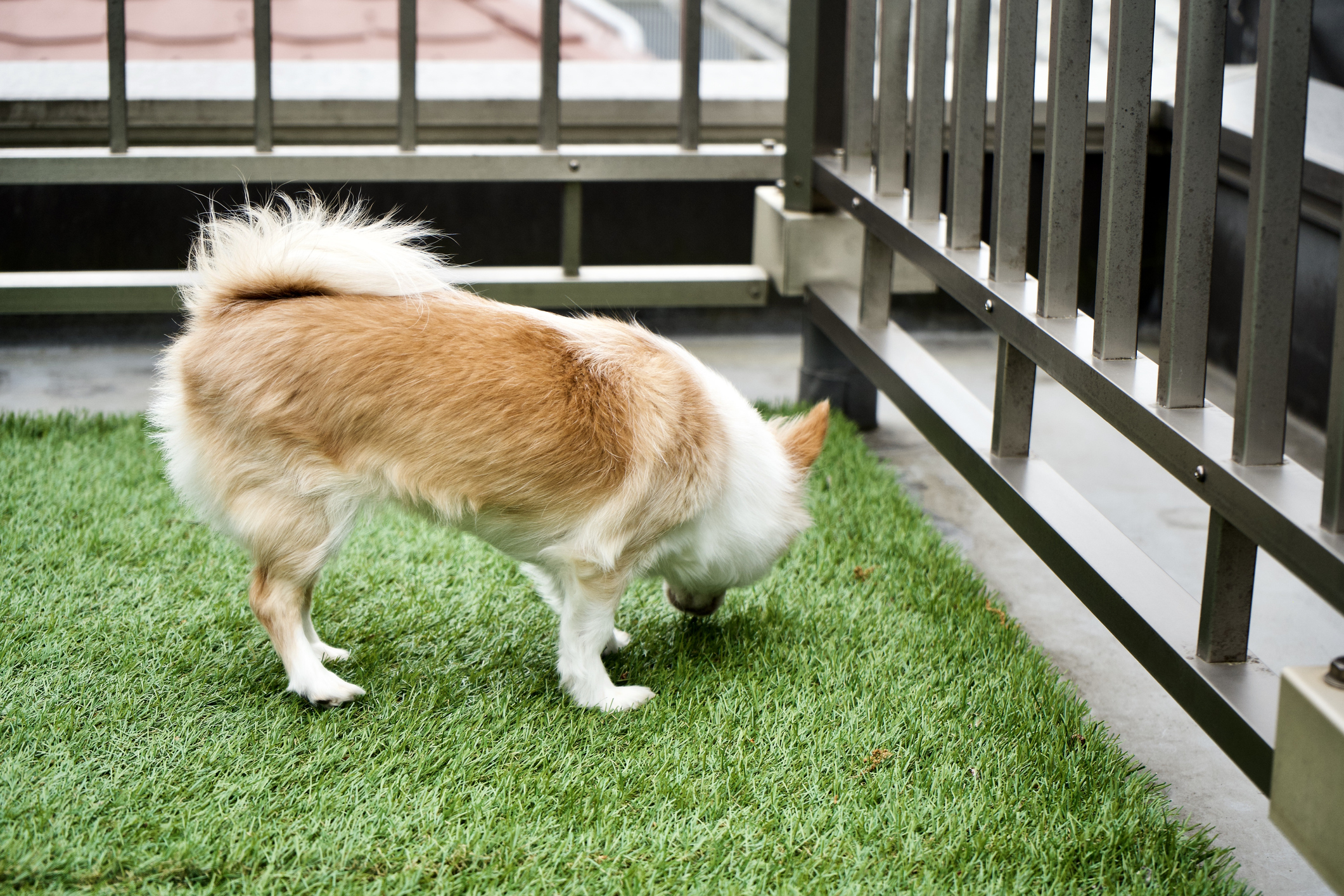
Pets are the most common way fleas end up on artificial grass. Follow your veterinarian's recommended flea prevention program and treat both the pet and the yard at the same time if fleas are found. Pay extra attention to the pet potty area, as this zone attracts the most pest activity when not cleaned consistently.6. Seal Edges and Borders
Ants typically nest under artificial grass when gaps around edges allow access. Keep turf edges tight against hardscape, remove food sources near the perimeter, and eliminate moisture buildup along borders. Persistent ant problems usually point to an edge or drainage issue rather than the turf surface itself.
Does Artificial Grass Attract Bugs or Mosquitoes?
Artificial grass does not naturally attract bugs or mosquitoes. Pests appear only when conditions support them, moisture, food residue, or organic debris. Compared to natural grass, properly maintained artificial turf supports significantly fewer insects.Mosquitoes specifically require standing water to breed. If your turf drains well and does not pool, mosquitoes have no reason to be there.
Is Bug Spray Safe for Artificial Grass?
Some insect control products are safe for artificial turf, but not all. If using a spray in a pet area, choose products labeled safe for outdoor surfaces and pets. Avoid harsh chemicals that may degrade turf fibers or backing over time. When in doubt, a professional turf service uses treatments that are both effective and turf-compatible.
When Pest Problems Keep Coming Back
Recurring pest issues on artificial turf are almost always caused by one of four things: hidden debris buildup, poor drainage, consistent pet flea transfer, or shaded areas that stay damp. Surface cleaning addresses the symptom. Professional maintenance addresses the cause.TurFresh provides a full 10-point artificial turf cleaning process that removes the buildup, restores drainage, and resets the turf to a clean baseline that makes pest survival genuinely difficult.
Practical Tips to Keep Pests Away from Artificial Turf
✅ Remove debris weekly during high leaf seasons✅ Rinse turf lightly every few weeks and more frequently in pet areas
✅ Clean pet waste immediately, do not let it sit
✅ Address drainage problems as soon as they appear
✅ Keep pets on consistent veterinarian-recommended flea prevention
✅ Inspect shaded zones more frequently during humid or wet periods
The buildup and drainage are the real issue.
TurFresh deep cleans down to the infill and base layer where debris and moisture accumulate. Over 150,000 services completed. Pet safe the same day.
Schedule Your Turf Service✔ Pet Safe✔ Eco Friendly✔ 20+ Years of Experience✔ 30-Day Guarantee
Complete Guide
📖 Artificial Turf Problems: 9 Most Common Issues, causes, fixes, and when to call a professional for weeds, mold, pests, drainage, infill, and more.
Frequently Asked Questions
Does artificial grass attract bugs?
Artificial grass does not attract bugs on its own. Pests appear when food residue, organic debris, moisture, or pet waste creates conditions that support them. Remove those conditions and pest activity drops significantly.Can fleas live on artificial grass?
Fleas can survive temporarily on artificial grass, particularly when pets bring them in or when damp, debris-filled areas give them cover. They cannot thrive long-term without soil and organic matter. Clean, dry, well-maintained turf makes flea survival genuinely difficult.How do you get rid of fleas in artificial grass?
Remove all debris, rinse the turf thoroughly, address any drainage issues, and treat your pets for fleas at the same time. Treating only the yard or only the pet will not resolve the problem, both need to be addressed simultaneously.Do mosquitoes live in artificial turf?
Mosquitoes need standing water to breed. Artificial turf with proper drainage does not pool water, which makes it an inhospitable environment for mosquitoes. If standing water is present, fixing the drainage issue removes the mosquito problem at the source.How long can fleas live in artificial grass?
In dry, clean conditions, fleas survive for a much shorter time on artificial turf than in natural lawns. Their survival depends on moisture, organic debris, shade, and whether pets are continuously reintroducing them. Consistent maintenance disrupts their ability to establish.Does artificial grass need maintenance to prevent pests?
Yes. Light cleaning, regular rinsing, debris removal, and drainage maintenance are all essential to keeping artificial turf pest-free. A professional deep clean once or twice a year resets the baseline and removes buildup that surface cleaning cannot reach.Can ants nest under artificial grass?
Yes, particularly when gaps around edges allow access and moisture or food sources are nearby. Keeping edges sealed, removing food debris, and eliminating moisture buildup prevents ant activity. Persistent ant problems usually indicate an edge or drainage issue.