
Quick Answer:
Artificial grass winter care is simpler than most homeowners expect because synthetic turf does not freeze, die, or go dormant the way natural grass does. The maintenance that matters in winter depends on your climate: in mild markets like Southern California and Arizona, winter care focuses on debris removal and drainage before the first rains. In rainy climates like the Pacific Northwest, moisture management and mold prevention become the priority. In cold and snowy markets like Denver, the key rules are letting snow melt naturally, never using salt or metal tools, and brushing fibers back upright once temperatures rise. Most winter turf damage is caused by homeowner actions, not weather.
A pre-winter professional clean is the most effective thing you can do before the cold sets in.
TurFresh professional cleaning removes the bacteria, urine compounds, and debris that built up over summer and fall before cooler temperatures slow evaporation and lock odors in. Over 150,000 services completed. Pet-safe. Backed by our 30-day odor removal guarantee.
Schedule Your Pre-Winter Clean
✔ Pet-Safe✔ Kid-Safe✔ 150,000+ Services✔ 30-Day Guarantee
Key Takeaways
✅ Most winter turf damage is caused by homeowner actions, not weather. Metal tools, salt, chemical deicers, and aggressive shoveling cause more harm than snow, frost, or cold temperatures. Artificial turf is engineered to handle winter. What it cannot handle is improper maintenance.
✅ Winter care depends on your climate. Mild-winter markets need debris removal and drainage prep before the rainy season. Cold-weather markets need snow removal protocols and post-freeze recovery. Treating all climates the same leads to unnecessary work in some cases and neglect in others.
✅ Snow should melt naturally in almost all residential situations. Artificial turf drainage handles snowmelt efficiently when the base was correctly installed. Shoveling is only warranted for very heavy accumulation, and only with plastic tools or a snow blower with rubber paddles, never metal.
✅ Never use road salt or standard chemical deicers on artificial turf. Salt degrades synthetic fiber structure and clogs drainage over time. If de-icing is needed, calcium chloride products specifically labeled as safe for synthetic turf are the only acceptable option.
✅ Post-winter recovery is a simple one-session maintenance task. Fibers that were compressed by snow or frozen foot traffic respond well to brushing against the grain once temperatures rise. Top off any displaced infill and check seams for shifting. Most winter cosmetic issues resolve with basic spring maintenance.
Artificial Grass Winter Care by Climate
The right winter care routine depends on where you live. Artificial turf in Southern California faces different conditions than turf in Denver, and the maintenance priorities are different in each case.
Mild winter climates (Southern California, Arizona, Nevada, Texas)
In these markets, winter means cooler temperatures and the beginning of the rainy season rather than snow or freezing. The primary winter concerns are debris accumulation from deciduous trees that drop leaves in fall, drainage preparation before the first significant rains, and bacterial management in pet areas where cooler temperatures slow evaporation and allow odor compounds to concentrate.
The maintenance routine for mild-winter climates does not change significantly from the rest of the year. Debris removal before the rainy season prevents organic material from being driven into the infill by rain. A professional cleaning before winter begins addresses the bacterial buildup from heavy summer pet use before it becomes concentrated odor during the cooler months.
Rainy winter climates (Northern California, Pacific Northwest, Florida)
Extended wet seasons create different challenges. Standing water that does not drain within a few hours after rain indicates that the drainage system needs attention. Shaded areas with limited airflow develop conditions favorable for moss and mold growth, particularly in extended wet periods. Debris removal becomes more urgent because organic matter on a wet surface breaks down faster and creates localized drainage blockage.
Inspect drainage after the first significant rainfall of the season. If water pools or drains slowly, debris or compacted infill is blocking the drainage layer. A professional cleaning before the wet season begins sets the drainage system up for the highest-volume months.
Cold and snowy climates (Colorado, high-elevation markets)
Cold climates introduce the snow and freeze-thaw management that most artificial turf care guides focus on entirely. The core rules are simple: let snow melt naturally, use only plastic or rubber tools if removal is necessary, never use road salt or standard deicers, and avoid heavy traffic on frozen turf. Full protocol is covered in the sections below.
📌 Pre-winter professional cleaning is the highest-value maintenance action regardless of climate. It removes summer accumulation before cooler temperatures slow bacterial breakdown, and prepares the turf system for the months ahead.
Should You Secure Artificial Turf Before Winter?
Yes. A quick inspection of edges and seams before the cold season begins prevents small issues from becoming larger problems.
Cold temperatures cause the ground beneath artificial turf to contract slightly. In installations where edges or seams were not fully secured at installation, this contraction can cause lifting over the winter. A lifted edge creates a trip hazard and allows water and debris to enter the turf system from underneath.
Walk the perimeter of your installation and press down on all edges and seams. Any section that lifts back up when foot pressure is released needs attention before winter. Professional turf maintenance services re-tuck loose edges and re-secure seams as part of routine service.
Inspect again after the first significant freeze or after any ground movement. This is particularly important in markets with freeze-thaw cycles where the ground surface shifts repeatedly through the winter.
How Often Should You Clear Debris in Winter?
Clear debris as frequently as needed to prevent accumulation, which in most climates means weekly or after any significant wind or storm event.
Leaves, twigs, pine needles, and organic matter on the surface do not decompose into the ground the way they would on natural soil. On artificial turf, they trap moisture against the fibers and backing, block drainage holes, and create conditions for mold development in wet climates. During winter when evaporation is slower, debris left in place becomes a problem faster than in summer.
Use a leaf blower on a low setting as your primary tool. A soft-bristle plastic rake or turf comb clears what the blower leaves behind. Pine needles are the exception: they wedge between fibers and require a turf comb or power broom rather than a blower alone.
Never use metal rakes or rigid plastic tools with metal tips on artificial turf. These tear fibers and abrade the backing over time, with damage that accumulates invisibly and shortens turf lifespan.
📌 A quick debris removal pass before a forecasted rain event is more effective than clearing debris after rain has pushed it into the infill. Preventive timing makes each session shorter and more effective.
Complete Guide
📖 Artificial Turf Seasonal Maintenance: The Complete Climate-by-Climate Guide — summer heat, winter rain, monsoon season, and spring prep covered for every TurFresh market.
Is It Safe to Walk on Artificial Turf in Freezing Weather?
Yes, with reduced traffic and common sense precautions.
When temperatures drop below freezing, synthetic fibers become less flexible. Under normal foot traffic, this is not a problem. Under sustained heavy pressure such as a large group gathering or heavy equipment, fibers that are frozen and less flexible can develop compression marks that take longer to recover than they would in warm weather.
The practical guidance is simple: use the turf normally for everyday activity, but avoid concentrating heavy objects or sustained heavy traffic in the same spot during freezing conditions. If furniture or play equipment is regularly placed on the turf, moving it off the surface during extended freezes prevents localized compression.
Heavy objects on frozen turf are the primary cause of the compression marks homeowners notice after winter. The turf itself handles the cold well. What causes the marks is the weight, not the temperature.
How Do You Remove Snow From Artificial Turf?
In most residential situations, the right answer is to let snow melt naturally.
Artificial turf drainage systems are specifically designed to handle the volume of melting snow efficiently. When the base was correctly installed with proper compaction and drainage, snowmelt passes through the backing and into the base layer without pooling on the surface. Shoveling when the turf can handle the snowmelt on its own creates unnecessary risk of fiber and backing damage.
When removal is warranted
Very heavy accumulation, more than several inches, or snow that has partially melted and refrozen into a dense layer may warrant removal for safety or access reasons.
For light to moderate snow, a stiff-bristle push broom sweeps snow off the surface effectively without contacting the fiber material with hard edges. For heavier accumulation, a plastic shovel pushed across the surface rather than dug in removes bulk snow. A snow blower with rubber paddles rather than metal augers is the appropriate powered option for large areas.
The consistent rule: keep all hard metal edges away from the turf surface during snow removal.
What never to use on artificial turf in winter
Road salt: degrades synthetic fiber material and backing adhesives over time. Even small amounts repeated across multiple winters cause cumulative damage and drainage reduction.
Standard chemical deicers: most contain compounds that chemically attack synthetic fibers or clog infill. If de-icing is genuinely needed, calcium chloride products specifically labeled as safe for synthetic turf are the only acceptable option. Use sparingly and rinse the area when temperatures allow.
Metal shovels and tools: a metal edge dragged across frozen turf fibers cuts and frays the material. The damage from one aggressive shoveling session can shorten the effective lifespan of the affected section.
Boiling or very hot water: the thermal shock of hot water applied to frozen turf can damage fiber structure. If softening ice is needed, cool or lukewarm water is safer than hot.
📌 Ice itself does not damage artificial turf. What damages turf is how homeowners attempt to remove it. Let ice melt naturally or use only plastic tools and calcium chloride at the minimum effective application rate.
Can Artificial Grass Stay Outside All Winter?
Yes. Artificial turf is designed and warranted for year-round outdoor use in all climates that residential installations serve.
Synthetic fibers do not freeze, crack, or become brittle under normal winter temperatures. The backing material is designed for seasonal temperature variation. The drainage system handles snowmelt and winter rainfall. There is no need to cover, remove, or treat artificial turf specifically for winter storage or protection under any normal residential conditions.
The exceptions are extreme events outside the scope of normal residential use: extended submersion in standing water, prolonged contact with harsh chemicals, or installation in environments with unusual industrial or chemical exposure. Standard residential use in any climate does not require special winterization beyond the maintenance practices described in this post.
How to Recover Your Turf After Winter
Once winter ends and temperatures rise consistently above freezing, a one-session spring maintenance pass addresses any cosmetic or performance issues that developed through the winter months.
Brush fibers against the grain. Fibers that were compressed by snow weight or foot traffic during freezing temperatures respond well to brushing once they have warmed and regained flexibility. Work against the natural lean in multiple directions across the full surface.
Check and top off infill. Snowmelt and winter rainfall can carry infill toward drainage paths and edges, creating low-concentration zones where the surface feels soft or backing is visible. Top up these areas with the same infill material as the original installation.
Inspect seams and edges. Freeze-thaw cycles cause slight ground movement that can loosen seams and edges that were marginally secured. A spring inspection catches any lifting before it becomes a larger structural issue or tripping hazard.
Rinse thoroughly. A thorough rinse after winter flushes mineral residue from snowmelt, any remaining organic debris, and surface dust accumulated through the season. In pet households, enzyme treatment of pet zones after the winter rinse prepares the surface for the increased activity of spring.
Schedule professional cleaning if needed. If odors developed through the winter, if fibers did not respond fully to brushing, or if drainage seems slower than normal after the spring rinse, professional cleaning addresses the infill layer that home maintenance cannot reach.
A spring professional clean removes what winter left behind.
TurFresh professional cleaning restores fiber position, removes compacted debris and mineral residue from snowmelt, and prepares your turf for the high-use months ahead. Over 150,000 services completed across California, Arizona, Texas, Nevada, and Florida.
✔ Pet-Safe✔ Kid-Safe✔ 150,000+ Services✔ 30-Day Guarantee
Frequently Asked Questions
How do you care for artificial grass in winter?
Artificial grass winter care depends on your climate. In mild markets, clear debris regularly and prepare drainage before the rainy season. In snowy markets, let snow melt naturally, use only plastic tools if removal is needed, and never use road salt or standard chemical deicers. Inspect edges and seams before winter begins and brush fibers back upright once temperatures rise in spring.
Should you remove snow from artificial turf?
In most residential situations, no. Let snow melt naturally through the turf's drainage system. If heavy accumulation requires removal for safety or access, use a push broom, plastic shovel, or snow blower with rubber paddles. Never use metal tools or road salt.
Can you use salt on artificial grass in winter?
No. Road salt and most standard chemical deicers damage synthetic fiber structure and clog drainage over time. If de-icing is genuinely needed, use calcium chloride products specifically labeled as safe for synthetic turf, applied sparingly and rinsed when temperatures allow.
Can artificial grass freeze?
Artificial turf fibers can become stiffer in below-freezing temperatures but do not freeze, crack, or become brittle under normal conditions. The stiffness is temporary and resolves as temperatures rise. Avoid placing heavy objects on frozen turf to prevent compression marks.
Can mold grow on artificial turf in winter?
Mold can develop in shaded areas with poor drainage and prolonged moisture during extended wet or cold periods. Regular debris removal prevents organic matter from trapping moisture against the surface. If mold appears, a diluted white vinegar solution or turf-safe enzyme cleaner addresses it.
Do you need to winterize artificial turf?
No special winterization is required. Basic maintenance, pre-winter edge inspection, regular debris removal, and proper snow removal protocol are sufficient. Artificial turf is designed for year-round outdoor use in all residential climates.
How do you recover artificial turf after winter?
Brush fibers against the grain to lift compression from snow or frozen foot traffic. Top off infill in areas where snowmelt carried it toward edges or drains. Inspect seams and edges for any shifting from freeze-thaw cycles. Rinse the full surface thoroughly. Schedule professional cleaning if odors developed, drainage slowed, or fibers did not respond fully to brushing.
Share
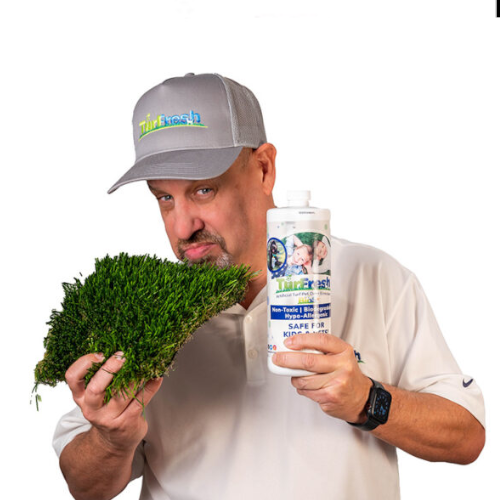

John Pla is the owner of TurFresh and an expert with over 20 years of experience in artificial turf cleaning and maintenance. John’s passion for sustainability, community impact, and innovative solutions has made him a trusted figure in the artificial grass industry and beyond.