Pet Turf Care: Cleaning, Odor Control, Maintenance & Restoration
Your dog uses the turf. We understand what happens underneath it.
Artificial turf for dogs can be an excellent choice, but a successful pet turf system involves much more than choosing artificial grass that looks good.
Urine, organic material, pet waste, traffic, heat, drainage, infill, installation methods, and the condition of the base beneath the turf all affect how a pet turf system performs over time.
At TurFresh, we specialize in caring for artificial turf after real life happens. We clean, deodorize, maintain, repair, rejuvenate, and restore artificial turf, while also helping homeowners understand why their turf is experiencing odor, drainage, matting, contamination, or performance problems.
Pet turf is a system, not just a piece of artificial grass.
What Is Pet Turf?
There is no single type of artificial grass called “pet turf.” Many manufacturers produce pet friendly artificial grass designed for homes, kennels, dog runs, veterinary facilities, and other pet environments. What separates them is a set of engineering choices:
Landscape Turf
Chosen for appearance and general durability. Drainage is designed around rainfall, not concentrated daily urine. Infill is primarily structural. Perfectly good grass, for a yard without heavy pet use.
Pet Turf System
Backing, infill, base, and drainage engineered together around one question: where does urine go, every day, for years? The turf itself is only the visible layer of the answer.
Simply installing artificial grass in a backyard with dogs does not automatically make it a properly designed pet turf system.
Pet Turf Starts With Drainage
When dogs regularly urinate on artificial grass, drainage becomes one of the most important parts of the entire system. Artificial turf drainage isn’t simply about getting liquid through the visible grass blades, urine needs a clear path through five layers. If any one of them restricts movement, urine and organic material can remain in the turf system and contribute to persistent odor.
Hole-Punched Backing
Traditional artificial turf often drains through holes spaced across the backing. Liquid must travel to a perforation before it can pass below.
Strengths: common, proven, suitable for many landscape installations.
Pet consideration: heavy daily use can expose weaknesses if urine doesn’t move efficiently through the whole system.
Fully Permeable Backing
Water and urine pass through a much larger portion of the backing itself, rather than routing to individual holes.
Strengths: high drainage potential and less dependence on hole placement, particularly useful in pet applications.
Hybrid / High-Flow Backing
Some manufacturers combine permeable construction with additional drainage features. Designs and drainage ratings are proprietary and vary widely, which is exactly why the system around the turf matters.
Fast-draining turf cannot fix a poorly draining base. The turf product is only one part of the drainage system.
What’s Under Your Pet Turf?
What’s under your turf matters just as much as what’s on top, and many pet turf odor problems are mistakenly treated only from the surface. Most installations follow one of four patterns:
1. Pet Turf Over Compacted Base
The common residential installation: turf, infill, compacted aggregate base, prepared native soil.
Base composition, compaction, grading, and permeability all influence how well the system drains, long before the turf gets a vote.
2. Pet Turf With Enhanced Drainage
For heavy pet use, poor-draining soil, or high liquid volume: a drainage mat or grid, additional aggregate, French or channel drainage, or other engineered systems beneath the turf.
3. Pet Turf Over Concrete
Turf installs well over concrete, but urine cannot disappear into a slab. The installation needs a way to move liquid under or away from the turf: drainage tiles or grids, a raised drainage layer, channel drains, sloped concrete, dedicated outlets.
On concrete, the question isn’t “does the turf drain?” It’s “where does the urine go after it drains?”
4. Commercial Pet Turf
Kennels, dog daycares, veterinary facilities, apartment dog runs, pet resorts, municipal dog parks.
Higher animal density can require significantly more aggressive drainage and maintenance protocols than any residential yard.
Engineered for Pets. Built to Perform.
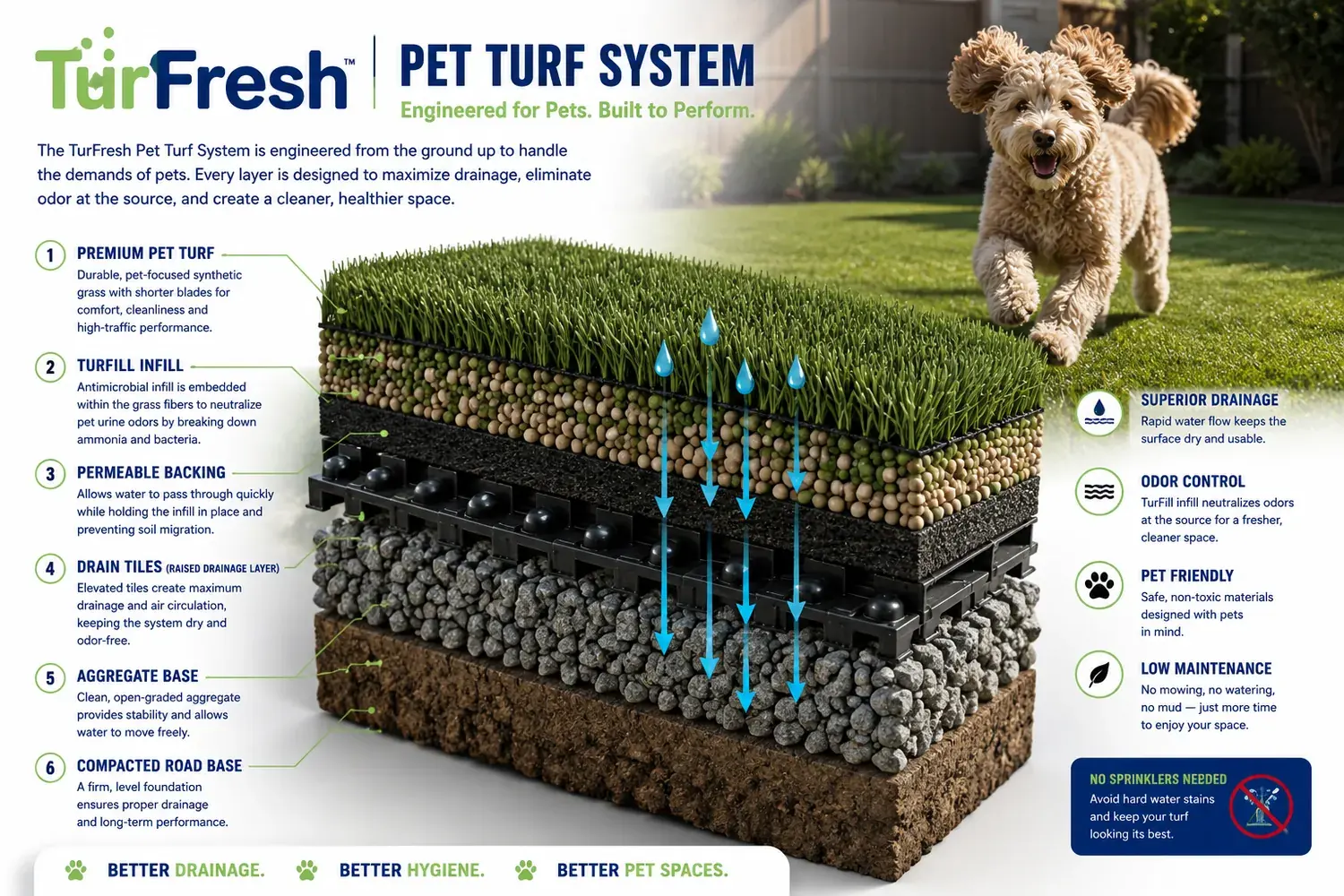
Water moves through every layer of a properly built pet turf system, which is why the surface never holds liquid. TurFresh cleaning keeps every one of those layers doing its job.
Understanding Pet Turf Infill
Infill is the material placed between artificial grass fibers. It provides ballast, supports the fibers, shapes appearance and surface feel, and, depending on the product, plays a role in pet odor management.
Standard Silica Sand
The common turf ballast and fiber support. Conventional infill is primarily a structural component, it should not automatically be considered an odor-control system.
Coated / Non-Absorbent Infill
Premium infills with coated granules designed to resist absorbing moisture; some also incorporate antimicrobial technologies.
Non-absorbent and antimicrobial are not the same thing: one describes how the granule handles moisture, the other describes additives that inhibit certain microorganisms.
Zeolite Infill
Zeolite is a naturally occurring mineral with a porous structure and ion-exchange properties, commonly used in pet systems because it can interact with the ammonium compounds associated with pet urine.
It is not magic: zeolite can become contaminated, depleted, or displaced over time, and may need maintenance or replenishment depending on conditions.
Antimicrobial Technology
Some turf, backing, and infill products carry antimicrobial additives designed to inhibit certain microorganisms.
Antimicrobial does not mean maintenance-free. It does not remove pet waste or organic matter, fix drainage, or physically clean the turf.
What Infill Actually Does
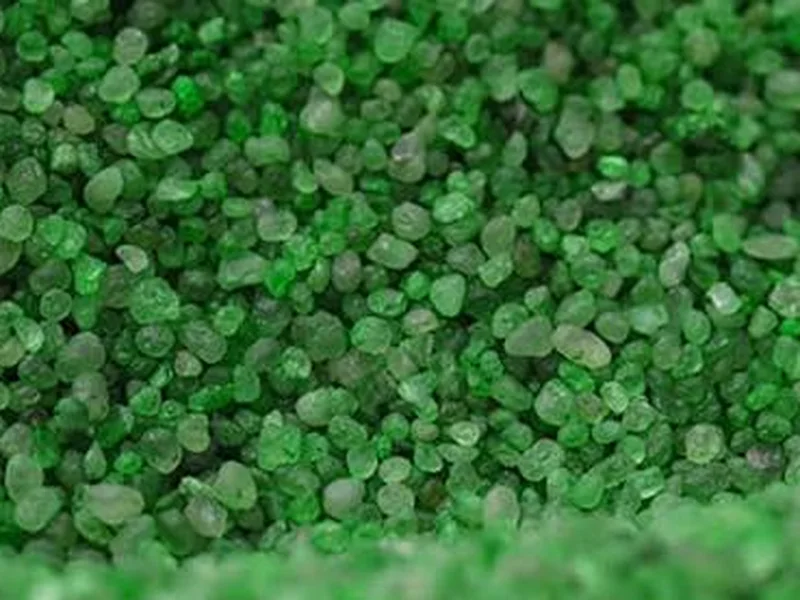
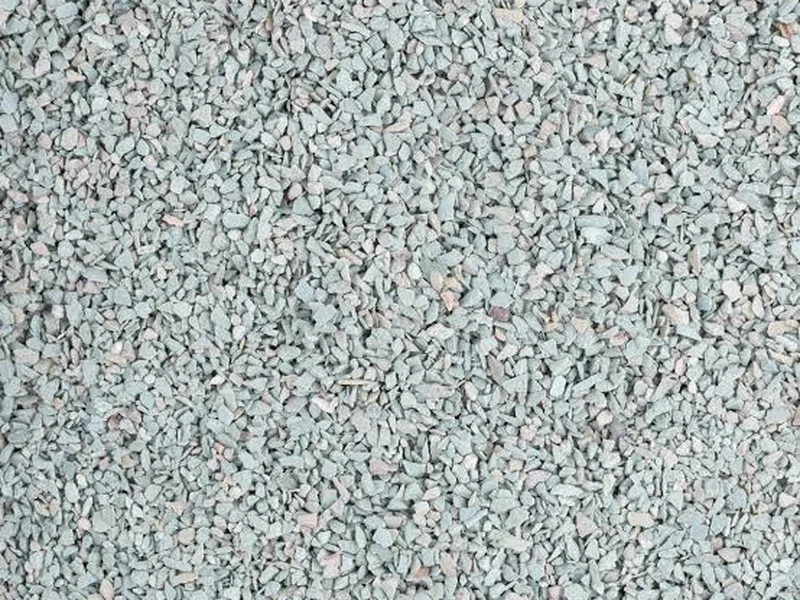
TurFill: The Infill TurFresh Adds
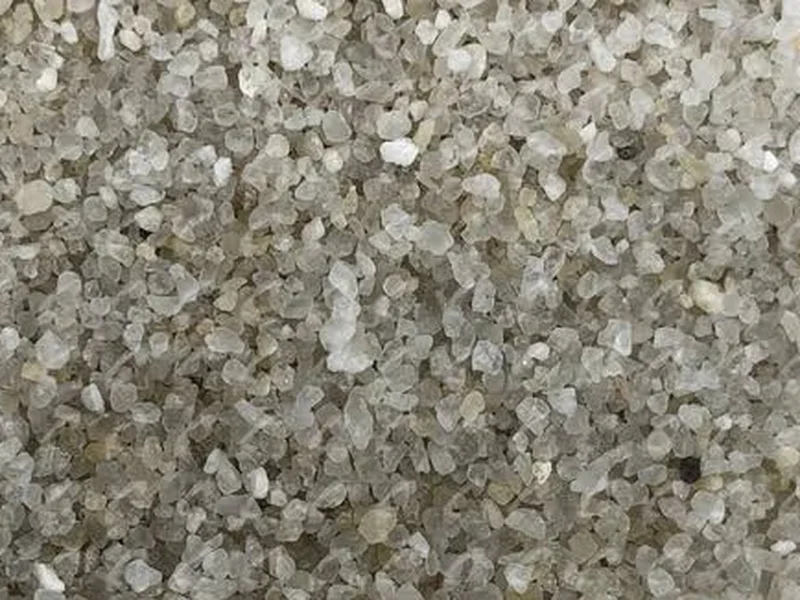
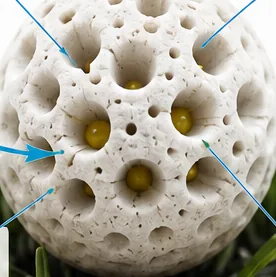
TurFill is the odor-preventing infill added in every TurfClean Plus service and doubled in TurFlush. Its porous granules filter ammonia from pet urine at the source, so your turf starts preventing the next odor the day we finish.
Why Does Artificial Grass Smell Like Dog Urine?
Fresh urine contains urea and other compounds. As microorganisms break down urine residues, byproducts including ammonia create the sharp odor homeowners associate with heavily used pet turf. But persistent odor usually has more than one cause:
1. Surface Contamination
Pet waste or organic residue remains in or around the turf fibers.
2. Contaminated Infill
Repeated pet use contaminates the infill itself over time.
3. Poor Drainage
Urine is not moving effectively through and away from the turf system.
4. Contamination Below the Turf
Odor originates from the base or material beneath the grass.
5. Low Areas
Urine and cleaning water collect in depressions instead of draining.
6. Improper Installation
Poor grading, incompatible base materials, restricted drainage, or unsuitable backing.
7. High Pet Load
Three large dogs on a small area is a very different maintenance problem than one small dog on a large yard.
If the odor keeps coming back immediately after cleaning, the problem may be deeper than the grass blades.
How to Take Care of Artificial Grass With Dogs
Good artificial grass maintenance is mostly rhythm, a few small habits at the right frequency:
After Pet Use
Remove solid waste promptly. Pet turf maintenance starts here: don’t let waste break down into the fibers.
Regularly
Light artificial grass cleaning: rinse high-use areas when drainage conditions permit, especially repeat urination spots.
Weekly / As Needed
Remove leaves, hair, and debris. Brush fibers in high-traffic areas. Inspect edges and seams.
Periodically
Deep clean pet areas. Check infill levels and redistribute or replenish. Verify drainage. Look for matting, wrinkles, loose seams, lifted edges, or damage.
Professional Care
Some installations eventually need more than surface rinsing.
Professional pet turf care may involve:
Cleaning Isn’t Always Enough
Artificial turf changes as it ages, and artificial grass odor is only the most obvious symptom. Fibers flatten. Infill migrates. Edges loosen. Seams can separate. High-use dog areas take concentrated wear, odor migrates below the visible surface, and drainage becomes less effective. The correct solution isn’t always another bottle of deodorizer:
Pet Turf Cleaning
Our signature artificial turf cleaning, for contamination primarily at the surface.
Pet Turf Deep Flushing
For heavier contamination requiring extensive rinsing and treatment through the entire turf system.
Pet Turf Repair
Artificial grass repair for loose seams, damaged edges, wrinkles, lifted turf, small damaged sections, and pet digging damage.
Pet Turf Restoration
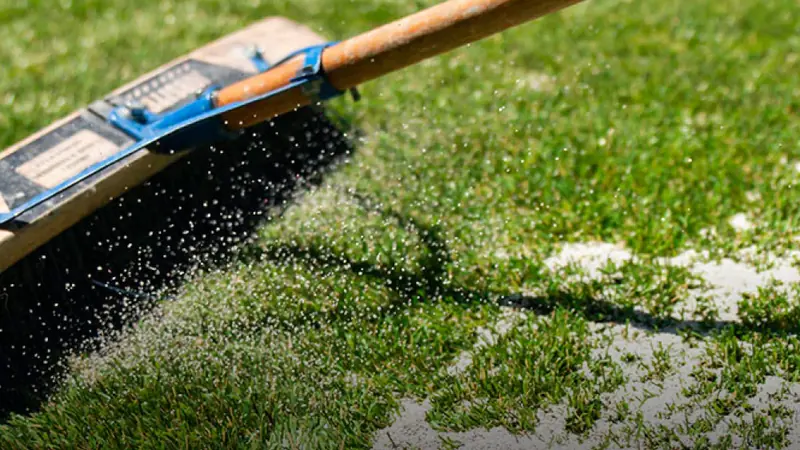
For aging or neglected turf that may still have useful service life: deep cleaning, decontamination, fiber rejuvenation, power brooming, infill correction, minor repairs, odor treatment, detailed inspection.
Restore Before You Replace
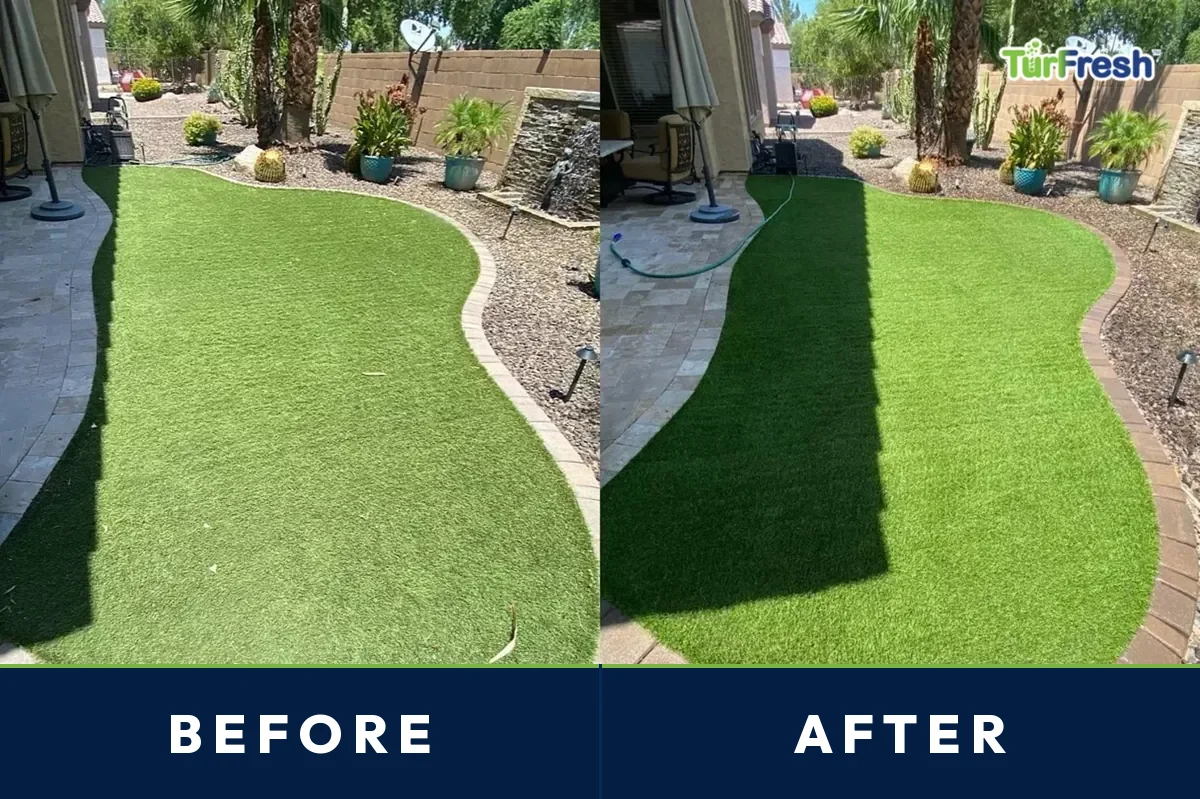
Many homeowners assume an old or smelly artificial lawn needs to be replaced. Sometimes it does. But in other cases, professional artificial turf restoration can significantly improve its appearance, cleanliness, odor, and usability, without replacing the entire installation.
A real TurFresh project, photographed before and after.
Choosing the Best Artificial Grass for Dogs
We don’t sell or install turf, which is exactly why homeowners trust our answer. Whatever brand you’re considering, evaluate the system:
Drainage
How does liquid move through the backing, hole-punched, fully permeable, or another design?
Sub-Base
What happens to urine after it passes through? How well does the soil drain? Is an enhanced drainage layer necessary?
Pile Height
Very tall turf looks lush but makes waste removal and maintenance harder. Weigh appearance against upkeep.
Durability
Traffic, dog size, number of dogs, play intensity, tuft bind, fiber resilience.
Infill
What infill, why that infill, is it designed for pets, and how will it be maintained?
Heat
Turf gets hot in direct sun. Cooling technologies help, but shade, climate, rinsing, fiber chemistry, infill, and exposure all matter.
Installation Design
The best turf product can perform poorly when improperly installed.
Don’t just ask your installer:
“What pet turf do you use?”
Ask: “Show me how the entire pet turf system handles urine.”
The 10 Questions to Ask Before Installing Pet Turf
Pet Turf Frequently Asked Questions
All TurFresh FAQs → · TurfCare maintenance plans → · Service areas →
Your Pet Uses the Surface Every Day. Take Care of What’s Underneath It.
Pet turf isn’t maintenance-free. The right combination of cleaning, drainage, infill management, repairs, and professional maintenance keeps artificial grass cleaner, fresher, better looking, and performing the way it was intended.
Whether your turf needs routine care, serious odor treatment, repair, deep flushing, or complete restoration, TurFresh can help determine what your artificial grass actually needs.
Book Your Service Online
Choose your service, see your exact price, reserve your time. Under 5 minutes.
No payment required to book · Cancel anytime before service