
Quick Answer
Artificial turf seasonal maintenance means adjusting your cleaning routine to match what each season actually does to your lawn. Spring is about clearing winter buildup and inspecting for damage. Summer — especially in AZ, NV, and TX — is about heat management and preventing odor in high-traffic pet zones. Fall is about staying ahead of debris before it creates drainage and mold problems. Winter is mostly preventive. This guide gives you the exact protocol for each season, adjusted for the specific climate challenges in Arizona, Nevada, Texas, Florida, and California.
TurFresh restores your turf at the start of every season.
A professional deep clean at the right point in the year resets your infill, eliminates buildup from the previous season, and sets your turf up to handle the next three months properly.
✔ Pet Safe
✔ Eco Friendly
✔ 20+ Years of Experience
✔ 30-Day Guarantee
Key Takeaways
🔑 Generic seasonal advice does not apply to all climates. A summer protocol for Phoenix — where turf surface temperatures reach 150 to 165°F — is nothing like a summer protocol for coastal California. This guide adjusts for each TurFresh market.
🔑 Spring is the most important season for a reset. Whatever accumulated over winter — debris, compacted infill, settled bacteria from pet use — carries into summer and creates bigger problems in the heat if not cleared first.
🔑 Summer in hot climates is the season where odor problems explode. Bacteria that were dormant in cool weather activate in heat. Pet households that skipped enzyme treatment in spring will notice it sharply by July.
🔑 Fall debris removal is a drainage problem, not just a visual one. Decomposing leaves and organic matter on turf surfaces block the drainage layer, and blocked drainage is the root cause of mold, pooling, and infill saturation.
🔑 Professional cleaning once a year is the minimum for pet households. The right seasonal trigger is early spring — before heat activates the bacteria that accumulated over winter.
Why Seasonal Maintenance Matters More in Extreme Climates
Most artificial turf guides treat seasonal maintenance as a simple calendar. Sweep in fall, rinse in spring. That works for mild climates. It does not work in Phoenix, Las Vegas, Tampa, or Houston.
In TurFresh's markets, each season brings specific stresses that accumulate if not addressed:
What each season does to your turf in a hot climate:
➡️ Summer heat does not damage the turf fibers, but it activates the bacteria and urine compounds sitting in the infill from winter and spring. Yards that had no noticeable odor in March can become unpleasant by June if the infill was not treated.
➡️ Monsoon season in Arizona brings sudden heavy rain after months of dry accumulation. Dust, pollen, and dry debris that built up over the spring get pushed into the drainage layer all at once. Drainage blockages and infill saturation happen fast.
➡️ Florida wet season runs from June through September. Six months of daily rain in high humidity means drainage, mold prevention, and odor management all need to be more frequent than in any other TurFresh market.
➡️ California dry season brings hard water concentration. Irrigation systems running on mineral-heavy water deposit calcium on fibers all summer. By fall, white crust is visible in most yards that were not treated through the summer.
💡 Tip
If you do one professional cleaning a year, time it for early spring — before temperatures rise. That clears winter's bacterial accumulation before summer heat activates it.
Spring Artificial Turf Maintenance: Post-Winter Reset
Spring is the most impactful season for turf maintenance. Whatever accumulated over winter — debris, compacted infill, moisture damage, bacterial buildup from months of pet use — all of it carries forward into summer and becomes harder to address once heat arrives.
Spring maintenance checklist:
➡️ Full debris clear. Remove all organic material: leaves, seed pods, pollen buildup, anything that accumulated since fall. Pay attention to shaded corners and edges against walls where debris compacts.
➡️ Inspect the surface. Look for any seams that shifted during winter, edges that lifted, flat zones that need brooming, and any visible mold or moss that developed during wet months.
➡️ Full enzyme treatment. Apply an enzyme-based cleaner across the entire turf surface, not just pet zones. Bacteria accumulated in the infill during winter months without you noticing because cold temperatures suppressed the odor. Treat now before heat reveals it.
➡️ Check infill levels. Winter rain and foot traffic compact and displace infill. If zones feel harder than normal or water briefly pools before draining, infill needs to be topped up.
➡️ Broom the full surface. After clearing and treating, broom against the grain to lift fibers and redistribute infill evenly. This one step makes the turf look significantly better going into spring.
💡 Tip
In California, spring is the time to address hard water stain buildup from winter irrigation. White mineral deposits are easier to remove before they compound further through summer irrigation.
For a full spring recovery protocol if your turf has been through a rough winter: New Artificial Turf: What to Do Before the First Cleaning.
Summer Artificial Turf Maintenance: Heat, Odor, and High Traffic
Summer is the hardest season on turf in TurFresh markets. High surface temperatures activate dormant bacteria, pets use the yard more, and the combination of heat and biological activity creates odor problems that did not exist in cooler months.
Surface temperature by market (midday, direct sun):
Summer maintenance protocol:
➡️ Rinse the surface before dogs go out in the afternoon. A 15-minute hose rinse drops surface temperature by 30 to 50°F and makes the lawn safe for paws. This is the single most effective summer habit in hot markets.
➡️ Increase enzyme treatment frequency. If your baseline is monthly enzyme treatment, move to every two to three weeks during summer months. Heat accelerates bacterial activity. Monthly treatment that was adequate in March will not keep pace in July.
➡️ Broom high-traffic zones weekly. Summer foot traffic is highest, which means infill compacts faster. Weekly brooming in pet lanes and play areas maintains fiber height and drainage capacity.
➡️ In Arizona and Nevada: rinse before and after monsoon events. The first major monsoon rain after a dry spring pushes accumulated dust and debris into the drainage layer in one event. A rinse before the storm loosens debris. A full rinse after it clears drains that debris through properly.
➡️ In Florida: increase enzyme treatment to weekly during wet season. Daily rain combined with heat and pet use is the highest odor-risk combination in any TurFresh market. Weekly enzyme treatment is the threshold that keeps Florida yards manageable during June through September.
💡 Tip
In markets above 120°F surface temperature, avoid scheduling professional cleaning on the hottest days of summer. Morning appointments before 10 AM allow equipment to work at full effectiveness without heat affecting the cleaning agents.
For the full summer maintenance guide with market-specific protocols, see our post on how to keep your lawn fresh this summer.
Fall Artificial Turf Maintenance: Debris and Pre-Winter Prep
Fall is the season most homeowners underestimate for turf maintenance. Artificial grass does not go dormant. The challenge in fall is not the turf — it is the debris. Decomposing organic matter on the turf surface blocks drainage, creates a growing medium for mold, and traps moisture against the fibers through winter.
Why fall debris matters more than it looks:
Leaves and seed pods that sit on turf and begin to decompose release organic material that works into the infill. By the time they are fully decomposed and no longer visible, they have already created the conditions for mold and drainage blockage that will emerge in winter and spring.
Fall maintenance protocol:
➡️ Clear debris after every major wind or leaf event, not on a weekly schedule. The organic decomposition clock starts the moment leaves contact the surface. Weekly removal is too infrequent in high-tree environments.
➡️ Deep enzyme treatment before temperatures drop. Bacteria in the infill from summer activity do not die in cooler weather — they go dormant. Treating the infill now prevents them from coming back stronger in spring when heat returns.
➡️ Inspect and clear drainage edges. Check that water can move freely through the perimeter drainage points before the rainy season. Clearing debris from drainage edges takes five minutes and prevents months of pooling problems.
➡️ Broom the full surface before winter. Lifting fibers and redistributing infill in fall means the turf goes into winter in the best possible condition rather than starting spring recovery from a worse baseline.
➡️ Final hard water treatment in California. Address any mineral deposits from summer irrigation now before cooler months reduce your opportunity for outdoor maintenance.
💡 Tip
Use a leaf blower on a low-power setting to clear debris from turf. High-power settings can displace infill. Keep the blower at a distance and use sweeping horizontal motions rather than pointing it straight down at the surface.
Fall-specific maintenance guide: Four Important Artificial Grass Maintenance Tips for Fall. For tips on preparing your turf for guests during the holiday season, see our guide on holiday turf cleaning tips.
Complete Guide
📖 Artificial Turf Seasonal Maintenance: The Complete Climate-by-Climate Guide — summer heat, winter rain, monsoon season, and spring prep covered for every TurFresh market.
Winter Artificial Turf Maintenance: Mostly Preventive
Winter is the lowest-maintenance season for artificial turf in most TurFresh markets. Southern California, Arizona, Nevada, and Texas rarely see conditions that actively threaten the turf. Florida winter is mild. The goal in winter is prevention, not active repair.
Winter maintenance protocol:
➡️ Clear debris after windstorms. Winter winds carry debris from bare trees. A leaf blower pass after each wind event prevents accumulation that traps moisture.
➡️ In Texas: watch for clay soil swelling after heavy winter rain. Expanded clay beneath the base layer can cause drainage to slow significantly in winter months. If you notice pooling that was not there before, the base layer may need professional assessment in spring.
➡️ Do not use rock salt or chemical de-icers on turf in the rare event of frost. In the few TurFresh markets where frost occurs — northern Texas, parts of the Las Vegas Valley — allow ice to thaw naturally or use a rubber broom to brush frost from the surface. Salt and chemical de-icers damage fiber backing and degrade infill over time.
➡️ Avoid walking on frozen turf. Ice on the surface creates a slip hazard, and walking on frozen fibers can crack or damage them. Allow the surface to thaw before resuming normal use.
➡️ Monthly enzyme treatment for pet households. Cold temperatures suppress bacterial activity and odor, but the bacteria are still there. Monthly enzyme treatment through winter means you enter spring with a manageable infill rather than one that needs emergency treatment.
💡 Tip
Winter is the right time to schedule any physical repairs: seam re-bonding, edge re-staking, or infill top-ups. Lower traffic and cooler conditions give adhesives and infill more time to set properly before heavy use resumes in spring.
Winter care guide with cold-climate considerations: Tips for Caring for Your Artificial Turf During Winter.
Arizona and Nevada: The High-Heat Seasonal Protocol
Arizona and Nevada are the two TurFresh markets with the most demanding year-round turf maintenance requirements. Surface temperatures above 155°F are routine in summer. Monsoon season in Arizona brings drainage stress. Hard water in the Las Vegas Valley deposits mineral buildup on fibers year-round. Infill saturation happens faster because high temperatures accelerate bacterial activity.
The adjusted seasonal schedule for AZ and NV:
➡️ Spring (March to May): Full enzyme treatment before temperatures rise. Inspect infill and top up compacted zones. Address any mineral deposits from winter irrigation before they compound in summer heat.
➡️ Summer (June to September in NV, June to early October in AZ): Rinse before any afternoon outdoor use. Weekly enzyme treatment for pet households. Rinse before and after monsoon events in Arizona. Increase professional cleaning frequency to every two to three months.
➡️ Fall (October to November): Post-monsoon full debris clear in Arizona. Check drainage edges before winter rain. Final enzyme treatment before temperatures cool.
➡️ Winter (December to February): Monthly enzyme maintenance. Physical repairs as needed. Prepare for spring reactivation.
💡 Tip
In Arizona, the single most impactful maintenance habit is rinsing before the first monsoon storm of the season. That first storm pushes six months of dry dust accumulation into the drainage layer in one event. Pre-rinsing disperses that debris gradually rather than all at once.
For the monthly breakdown, see our full Arizona artificial turf cleaning schedule.
Florida: Managing Humidity and Wet Season
Florida is TurFresh's most humidity-intensive market. The wet season runs from June through September, with daily afternoon thunderstorms that are heavy and fast. Year-round warmth means bacteria and mold conditions never fully subside the way they do in cooler markets. Odor management is a year-round effort, not a seasonal one.
What makes Florida different:
➡️ Wet season drainage stress. Six months of near-daily rain means drainage must be clear and functional at all times. A drainage blockage that causes minor pooling elsewhere becomes a significant mold and odor problem in Florida's combination of heat and moisture.
➡️ Year-round bacterial activity. Florida winters are warm enough that bacteria in the infill remain active through the cooler months. Monthly enzyme treatment is a year-round requirement in Florida, not a seasonal one.
➡️ Humidity traps odor differently. In dry markets, odor comes and goes with rain and heat. In Florida, high ambient humidity means odor compounds stay active in the air around the turf surface even when the surface is dry. Managing the infill is the only fix.
Florida seasonal protocol:
➡️ Pre-wet season preparation (May): Full enzyme treatment across the entire surface. Inspect and clear all drainage edges. Check infill levels and top up depleted zones before the daily rain cycle begins.
➡️ Wet season (June to September): Weekly enzyme treatment for pet households. Keep drainage edges clear after every major storm. Broom surface weekly to prevent matting from frequent rain compaction.
➡️ Dry season (October to May): Monthly enzyme treatment minimum. Annual professional cleaning at the transition to dry season to reset infill before the lower-maintenance period.
💡 Tip
In Florida, schedule professional cleaning in October at the start of dry season — not in spring like most other markets. That timing resets infill after wet season's six months of bacterial activity and gives you the cleaner, lower-maintenance period of the year.
For a full guide on managing Florida turf odor and humidity, see our dedicated market guide.
Seasonal Triggers for Professional Cleaning
Knowing when a professional cleaning adds value beyond what regular home maintenance can do is the most practical part of any seasonal plan. These are the triggers that indicate it is time to call TurFresh rather than repeat another round of DIY treatment.
The right times to schedule a professional cleaning:
👉 Early spring, before temperatures rise. This is the most universally correct timing for an annual professional clean. It clears winter bacterial accumulation before summer heat activates it.
👉 After wet season ends in Florida (October). Six months of daily rain, heat, and pet use concentrate more bacterial load in the infill than any other season in any TurFresh market. The transition to dry season is the right reset point.
👉 When odor returns within 48 hours of a home cleaning. The infill is saturated. No amount of surface treatment will resolve it. Professional hot-water extraction or infill replacement is the correct fix.
👉 After two seasons without a professional cleaning for multi-dog households. With two or more dogs, the infill reaches saturation faster than home maintenance can manage. Two seasons is typically the maximum interval before problems compound.
👉 Before putting the home on the market. Professional turf cleaning and re-blooming restores the visual appearance and eliminates odor — two of the most common concerns buyers and their agents raise about yards with artificial grass.
TurFresh professional cleaning sets your turf up for the next three months.
One professional deep clean at the right point in the year eliminates what home maintenance cannot reach and resets your infill before seasonal stress begins.
✔ Pet Safe
✔ Eco Friendly
✔ 20+ Years of Experience
✔ 30-Day Guarantee
Frequently Asked Questions
How often should you clean artificial turf per season?
At minimum, perform a full enzyme treatment and debris clear at the start of each season. For pet households, weekly enzyme treatment of high-use zones is the standard during spring and summer, and monthly treatment through fall and winter. Professional cleaning once or twice a year handles what home methods cannot reach.
Does artificial grass need seasonal maintenance?
Yes. Each season brings specific challenges: spring debris and winter bacterial buildup to clear, summer heat activating odor and compacting infill, fall organic debris blocking drainage, and winter prevention to protect the base layer. Adjusting your routine to each season significantly extends turf life and prevents the problems that lead to expensive repairs.
What is the most important season for artificial turf maintenance?
Spring is the highest-impact season in most markets. Whatever accumulated over winter — bacteria in the infill, compacted zones, mold in shaded areas — carries forward into summer and becomes significantly harder to address once heat arrives. A thorough spring reset prevents most of the major problems that develop through the rest of the year.
How do you maintain artificial turf in summer?
In hot markets, rinse the surface before afternoon outdoor time to drop surface temperature. Increase enzyme treatment frequency to every two to three weeks for pet households. Broom high-traffic zones weekly to prevent infill compaction. In Arizona and Nevada, rinse before and after monsoon events to manage the drainage load.
How do you maintain artificial turf in winter?
Winter artificial turf maintenance is mostly preventive. Clear debris after wind events. Continue monthly enzyme treatment for pet households even though odor is reduced — bacteria are dormant, not eliminated. Avoid chemical de-icers if frost occurs. Winter is the best time to address physical repairs like seam re-bonding and edge re-staking.
Does artificial turf need more maintenance in Florida than other states?
Yes. Florida's combination of year-round warmth, six months of daily wet season rain, and high ambient humidity means bacteria and mold conditions never fully subside. Monthly enzyme treatment is a year-round requirement, not seasonal. During wet season, weekly enzyme treatment is the correct frequency for pet households. Professional cleaning timing is better at the start of dry season in October rather than spring.
Why does my artificial turf smell more in summer than winter?
Cold temperatures suppress bacterial activity and odor. Warm temperatures reactivate the bacteria and urine compounds that have been sitting in the infill through cooler months. A yard that had no noticeable odor in February may smell strongly by June if the infill was not enzyme-treated in spring before temperatures rose.
When is the best time to schedule a professional artificial turf cleaning?
Early spring before temperatures rise is the best universal timing for an annual professional cleaning. It eliminates winter bacterial accumulation before summer heat activates it. In Florida, the start of dry season in October is the better timing. For multi-dog households in hot markets, every two to three months throughout the year is the appropriate frequency.
Share
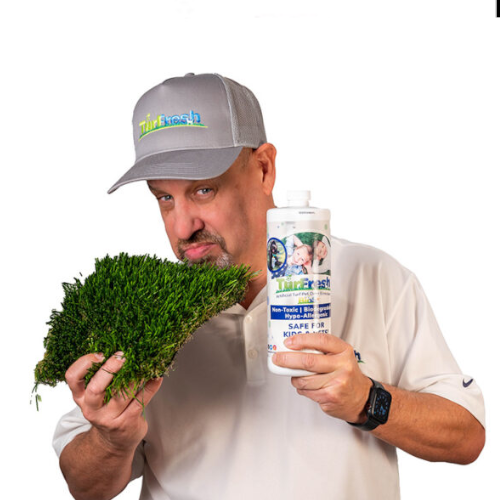

John Pla is the owner of TurFresh and an expert with over 20 years of experience in artificial turf cleaning and maintenance. John’s passion for sustainability, community impact, and innovative solutions has made him a trusted figure in the artificial grass industry and beyond.