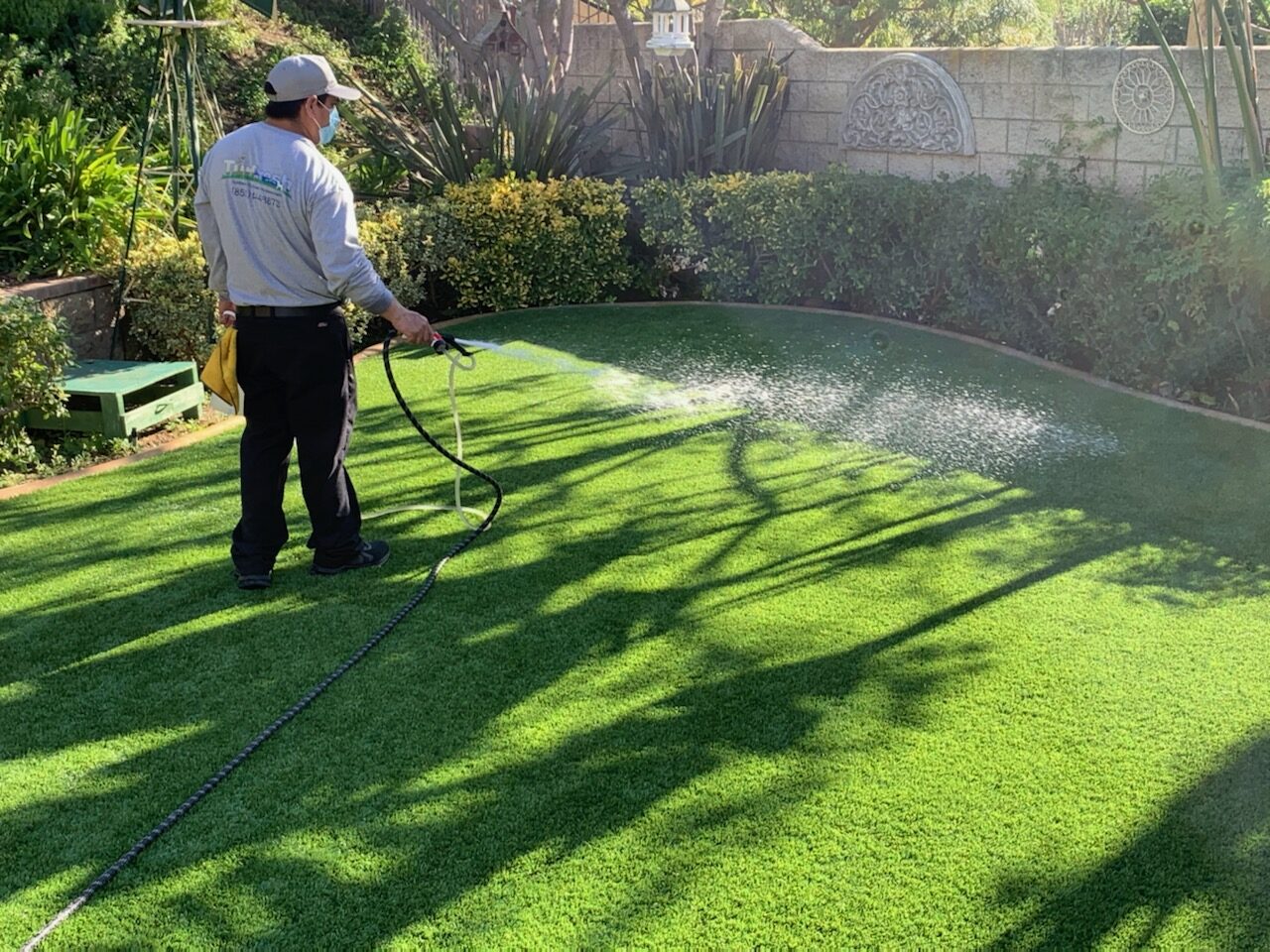
Creating a Safe Haven: How Turf Cleaning Benefits Kids and Pets in Residential Spaces
Sep 4, 2023 · 5 min read · By John Pla, Founder of TurFresh
TLDR: Clean artificial turf supports safer play, better hygiene, and long-term durability for residential spaces used by kids and pets.
⚡ Quick Answer Is artificial turf safe for kids and pets? Yes, artificial turf is safe for kids and pets when it is cleaned regularly. Routine turf cleaning removes bacteria, pet waste residue, and odors that can otherwise build up and create health risks.
Why Has Artificial Turf Become So Popular in Residential Homes?
Artificial turf has grown in popularity because it provides a consistent, green surface without the upkeep required by natural grass.Homeowners choose synthetic turf because it does not require mowing, watering, or fertilizers, and it holds up well under frequent use from children and pets. Its durability makes it ideal for backyards, play areas, rooftops, and small residential spaces.
📌 However, even though artificial grass reduces maintenance, it still requires routine cleaning to stay safe and sanitary.
Why Does Artificial Turf Still Need Regular Cleaning?
Artificial turf does not naturally break down waste or bacteria the way soil does.Dust, pollen, leaves, pet waste residue, and organic debris can collect on the surface and within the infill. Without cleaning, this buildup can lead to odors, bacteria growth, and an unsanitary play environment.
📌 Regular turf maintenance helps keep artificial grass hygienic, visually clean, and safe for everyday use.
How Does Turf Cleaning Improve Safety for Kids?
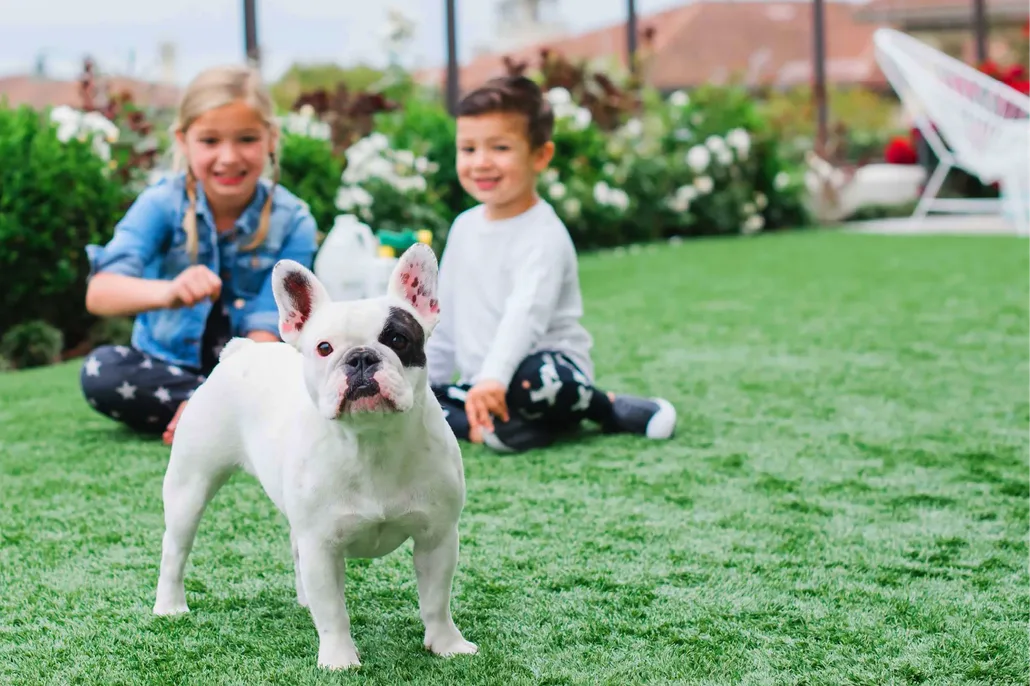
Clean turf reduces the risk of slips, falls, and exposure to harmful bacteria.
Debris buildup can make turf surfaces uneven or slick. Regular cleaning helps maintain proper infill distribution and surface traction, which supports safer play for children.
📌 Removing bacteria, parasites, and allergens also reduces potential skin irritation and health concerns, especially for young children who spend time sitting or playing directly on the turf.
How Does Turf Cleaning Protect Pets and Reduce Odors?
Pet waste is one of the most common sources of odor and bacteria in artificial turf.Routine turf cleaning removes pet urine residue, organic matter, and bacteria that can cause persistent smells and sanitation issues. Proper cleaning also helps prevent urine salts from hardening in the turf backing, which can shorten turf lifespan.
📌 Clean turf provides pets with a more comfortable surface while keeping outdoor areas odor-free for the entire household.
What Are the Most Effective Turf Cleaning Techniques?
Artificial turf stays in the best condition when multiple cleaning methods are used together.Brushing and raking help redistribute infill, prevent matting, and remove surface debris. Stain and odor treatment targets pet urine and organic residue that cause lingering smells. Infill top-ups restore cushioning and shock absorption, making the surface safer and more comfortable for play.
📌 Using the right combination of techniques helps turf remain resilient, clean, and visually appealing.
How Often Should Residential Artificial Turf Be Cleaned?
The ideal cleaning frequency depends on usage, pets, and environment.Homes with pets or frequent outdoor play benefit from more regular cleaning, while low-traffic areas may require service only a few times per year. Routine maintenance prevents buildup before it becomes a larger hygiene or odor issue.
📌 Professional turf cleaning services can tailor cleaning schedules based on household needs.
How Does Regular Turf Maintenance Extend Turf Lifespan?
Consistent cleaning protects both the surface fibers and the turf backing.Removing debris and redistributing infill reduces fiber wear and helps turf maintain its original appearance. Preventing odor and bacteria buildup also reduces the need for premature turf replacement.
📌 Proper maintenance protects the initial investment while keeping residential spaces functional and safe.
Why Choose Professional Turf Cleaning for Residential Spaces?
Professional turf cleaning provides deeper sanitation than surface rinsing alone.TurFresh uses a structured 10-point turf cleaning process designed to remove bacteria, neutralize odors, and refresh turf safely. Services can be scheduled weekly, seasonally, or a few times per year based on household needs.
📌 Professional care helps homeowners maintain a clean, safe environment without the time or effort required for ongoing manual maintenance.
💡 Practical Turf Cleaning Tips for Homes With Kids and Pets
✅ Rinse turf regularly to remove surface dust and pollen✅ Remove pet waste promptly to prevent odor buildup
✅ Brush turf fibers to prevent matting in high-traffic areas
✅ Schedule professional cleaning to address deep sanitation
✅ Monitor turf odor, texture, and appearance for early signs of buildup
Frequently Asked Questions
Does artificial turf harbor bacteria?
• Artificial turf can harbor bacteria if it is not cleaned regularly. Routine cleaning removes bacteria and organic buildup that can collect from pets, debris, and everyday use.Is artificial grass hygienic for children?
• Yes, artificial grass is hygienic for children when properly maintained. Regular cleaning reduces exposure to bacteria, allergens, and contaminants.Can pet urine permanently damage artificial turf?
• Pet urine can cause odors and residue buildup if not cleaned properly. Regular turf cleaning helps prevent long-term damage and odor retention.How long does it take to clean artificial turf?
• Professional turf cleaning typically takes a short time, depending on the size and condition of the area being serviced.Can artificial turf be cleaned without harsh chemicals?
• Yes, professional turf cleaning methods focus on safe, effective sanitation without harsh chemicals that could harm pets or children.
Creating a Safer Outdoor Space With TurFresh
Regular turf cleaning is not just about appearance. It plays a direct role in safety, hygiene, comfort, and durability for residential spaces used by kids and pets.TurFresh provides professional artificial turf cleaning services designed to keep outdoor areas clean, odor-free, and family-friendly.
Ready for an Odor-Free Yard? 📞 Call (855) 444-8873 or 📱 text (714) 709-2551 to get started. Professional Artificial Grass Cleaning 🛒 Turf Cleaning Products | Deep Clean Your Turf and Infill Give your family and pets the clean, fresh outdoor space they deserve. 👉 New customers receive 10% OFF
A clean turf surface helps ensure your outdoor space remains a safe haven for every member of the household.