The Environmental Benefits of Artificial Turf
Dec 26, 2019 · 4 min read · By John Pla, Founder of TurFresh
Many people envision coming home to a lush green yard with immaculately tended landscaping, but with a climate that is getting drier and drier, that tropical oasis in your backyard comes at a cost, making artificial turf cleaning an increasingly practical solution.
TL;DR Artificial turf helps conserve water, reduces chemical runoff, lowers energy demand, and minimizes long-term environmental strain when properly maintained. For regions facing drought, water restrictions, or heavy lawn upkeep, synthetic turf offers a practical and sustainable alternative to natural grass.
Quick Answer
Artificial turf benefits the environment by reducing water use, eliminating fertilizers and pesticides, lowering energy demand, and preventing soil erosion when installed and maintained correctly.
How Does Natural Grass Help the Environment?
Natural grass supports the environment by stabilizing soil, reducing erosion, and helping manage surface runoff. Healthy turf also contributes to cooling effects and carbon absorption.However, maintaining a natural lawn at scale requires frequent watering, fertilizers, pesticides, and mowing. These inputs place ongoing pressure on water systems, soil health, and local ecosystems.
This is where artificial turf offers a practical alternative.
What Are the Environmental Benefits of Artificial Turf?
Artificial turf delivers environmental benefits by reducing water use, lowering chemical runoff, and decreasing long-term maintenance demands.Unlike natural grass, synthetic turf does not require irrigation, fertilizers, or pesticides. Over time, this leads to measurable environmental advantages, especially in dry or drought-prone regions.
How Does Artificial Turf Help Conserve Water?
Artificial turf dramatically reduces water consumption by eliminating the need for irrigation.Natural lawns require thousands of gallons of water each year to stay green. Artificial turf requires none, aside from occasional rinsing for cleaning or cooling.
Why this matters:
➡️ Reduces strain on municipal water systems➡️ Supports drought mitigation efforts
➡️ Preserves water for agriculture and essential use
➡️ Helps stabilize water reserves in dry climates
Water conservation remains one of the strongest environmental arguments for artificial turf.
How Does Artificial Turf Reduce Pollution?
Artificial turf helps limit chemical runoff that contaminates soil and waterways.Traditional lawns rely on fertilizers, herbicides, and pesticides to maintain appearance. When it rains, these chemicals wash into storm drains, rivers, and groundwater supplies.
Artificial turf eliminates:
➡️ Chemical fertilizers➡️ Weed killers
➡️ Pest control treatments
This results in cleaner water systems and reduced harm to aquatic ecosystems.
declines. This helps limit reliance on fossil fuels used in pumping, filtering, and transporting water.
In regions dependent on hydroelectric power, lower water demand also helps maintain stable reservoir levels for electricity generation.
Can Artificial Turf Help With Soil Erosion?
Artificial turf helps prevent soil erosion by providing consistent ground coverage.Unlike natural grass, which can thin or die due to drought or foot traffic, synthetic turf maintains surface stability year-round. This reduces runoff, protects topsoil, and helps prevent sediment from entering nearby waterways.
This benefit is especially important for:
👉 Sloped yards👉 Commercial properties
👉 Playgrounds and pet areas
👉 High-traffic landscapes
Is Artificial Turf Environmentally Friendly Overall?
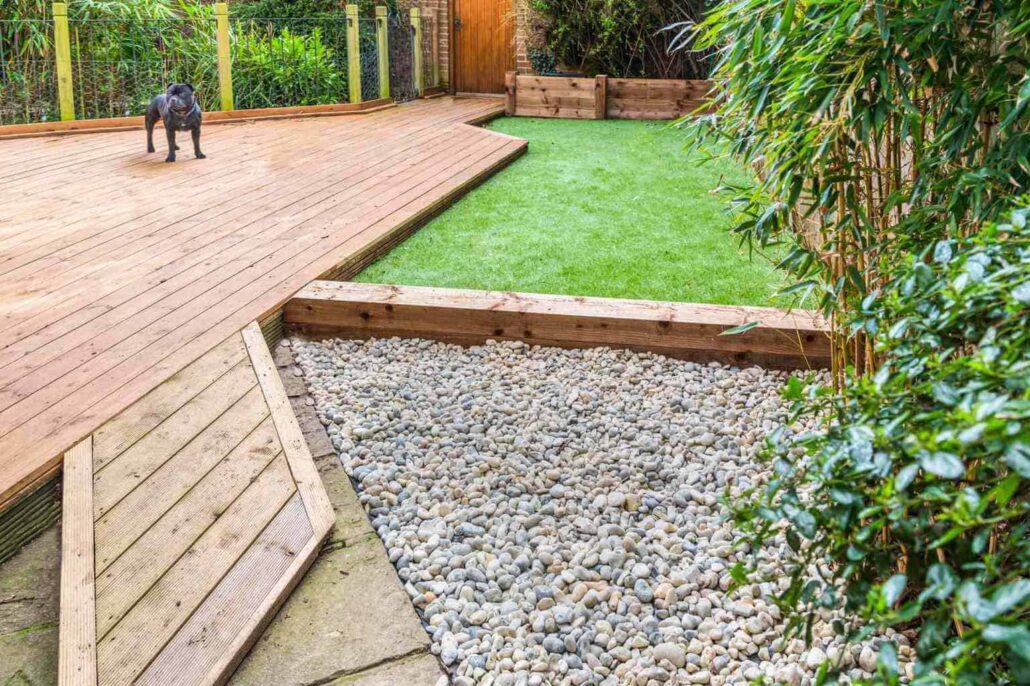
Artificial turf can be environmentally responsible when installed and maintained correctly.
While turf is manufactured from synthetic materials, its long lifespan and reduced resource demands often offset its production footprint over time.
Environmental advantages include:
👍 No ongoing water use👍 No chemical fertilizers or pesticides
👍 Reduced emissions from lawn equipment
👍 Long service life with proper maintenance
When paired with professional cleaning and care, artificial turf can remain functional and hygienic for many years.
What About Maintenance and Environmental Impact?
Artificial turf still requires maintenance, but far less than natural grass.Routine cleaning removes debris, bacteria, and odors while extending the life of the turf. Professional turf cleaning services use low-water, eco-conscious methods that avoid harsh chemicals.
Proper maintenance helps:
➡️ Preserve turf performance
➡️ Prevent odor buildup
➡️ Extend usable lifespan
➡️ Maintain safe, hygienic surfaces
This reduces the need for premature replacement and lowers long-term environmental impact.
Quick Environmental Benefits of Artificial Turf0
✅ Saves thousands of gallons of water per year✅ Eliminates fertilizer and pesticide runoff
✅ Reduces energy used for lawn care
✅ Prevents soil erosion
✅ Supports cleaner waterways
✅ Requires minimal ongoing resources
Frequently Asked Questions
Is artificial grass environmentally friendly?
• Yes. Artificial grass reduces water use, eliminates chemical treatments, and lowers long-term environmental impact when properly installed and maintained.Does artificial turf save water?
• Yes. Artificial turf requires no irrigation, making it one of the most effective ways to reduce outdoor water usage.Is artificial turf bad for the environment?
• Artificial turf has an upfront manufacturing footprint, but its long lifespan and reduced water and chemical use often make it more sustainable than natural grass over time.Does a0rtificial turf cause pollution?
• No. In fact, it helps reduce pollution by eliminating fertilizers, pesticides, and runoff into water systems.Can artificial turf help with erosion control?
• Yes. Artificial turf stabilizes soil and reduces erosion, especially in high-traffic or sloped areas.
Final Thoughts
Artificial turf offers a practical solution for reducing water consumption, minimizing chemical use, and maintaining outdoor spaces with less environmental strain. When professionally cleaned and maintained, it supports long-term sustainability while delivering consistent performance.If you want to extend the life of your turf and keep it clean, safe, and environmentally responsible, professional turf maintenance makes all the difference.
Related reading
- Can You Be Allergic to Artificial Turf? The Truth About Turf and Allergies
- Can You Mow Artificial Grass? What Replaces Lawn Mowing
- Interested in Artificial Grass - Here Are the Benefits and Problems You Need to Know
Ready for an Odor-Free Yard? 📞 Call TurFresh today: (855) 444-8873 Professional Artificial Grass Cleaning Turf Cleaning Products | Deep Clean Your Turf and Infill 👉 Give your family and pets the clean, fresh outdoor space they deserve.