
Quick Answer
Winter is one of the most important times to schedule artificial turf cleaning, not the least. Cold weather and reduced evaporation let odor, bacteria, and debris build up quietly beneath the surface. Five signs mean it's time to act: your turf smells worse in cool weather, it stays damp longer than usual, pets use it year-round, fibers look flat or compacted, or you want to avoid bigger problems once spring activity picks up. Professional winter cleaning resets the turf before those issues compound.
Winter cleaning prevents the spring odor spike before it starts.
Cold weather slows evaporation, which means bacteria and odor build up quietly beneath the surface all winter. A professional visit now resets the turf before peak season arrives.
✔ Pet Safe✔ Kid Safe✔ 150,000+ Services✔ 30-Day Guarantee
Key Takeaways
🌡️ Cold weather traps odor instead of releasing it. Reduced evaporation in winter means pet urine and bacteria stay concentrated in the infill longer than they would in warmer months.
💧 Turf that stays damp longer than usual is a warning sign, not a coincidence. Poor drainage combined with winter moisture creates ideal conditions for bacteria growth.
🐾 Pets don't take winter off, so odor buildup doesn't either. Urine settles deeper into cold infill, making it harder to remove later if it's left untreated all season.
🧹 Flat or compacted fibers in winter often point to infill problems, not just cold weather. Dry winter climates in particular see compacted infill and reduced drainage.
📅 Winter cleaning is prevention, not repair. Addressing these signs now avoids the strong odors, drainage issues, and service backlogs that hit most turf owners right as spring activity increases.
Many homeowners think turf cleaning can wait until spring. In reality, winter is one of the most important times to take care of your artificial turf.
Cold weather, moisture, and reduced evaporation allow odor, bacteria, and debris to build up quietly. If you notice any of the signs below, it's time to schedule turf cleaning this winter.
1. Your Turf Smells Worse During Cooler Weather
If odors become stronger in winter, that's not a coincidence. Cooler temperatures slow evaporation, which means pet urine and bacteria stay trapped longer inside the turf system.
This is common in:
➡️ Mild winter regions like California and Texas
➡️ Humid winter climates like Florida
📌 Winter turf cleaning removes odor-causing bacteria before warm weather makes the smell worse.
2. Your Turf Stays Damp Longer Than Usual
Winter rain, snow melt, or morning dew can cause turf to stay wet for extended periods. When moisture doesn't drain properly, it creates the perfect environment for bacteria growth.
This often happens in:
➡️ Rainy winter areas
➡️ Regions with snow and freeze-thaw cycles, like Colorado and Utah
📌 A professional turf cleaning service restores proper drainage and removes trapped moisture.
3. You Have Pets Using the Turf Year-Round
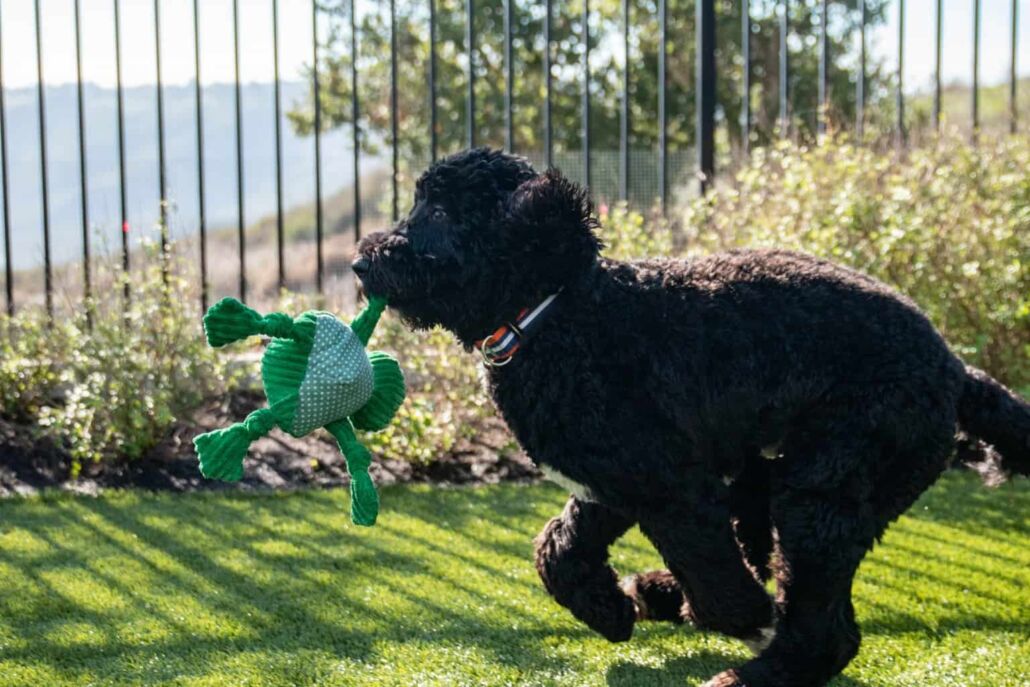
Pets don't stop using turf in winter, and neither does pet urine. In colder months, urine settles deeper into the infill, making odors harder to remove later.
Homes with pets should consider winter turf cleaning, especially in:
➡️ Southern California
➡️ Arizona
➡️ Florida
➡️ Texas
📌 Winter cleaning prevents odor buildup before spring activity increases.
4. Your Turf Looks Flat or Compacted
If your turf fibers look matted or compressed, winter conditions may be contributing.
Dry winter regions often experience:
➡️ Compacted infill
➡️ Hardened fibers
➡️ Reduced drainage
This is common in places like:
➡️ Arizona
➡️ Nevada
➡️ New Mexico
📌 Professional turf cleaning includes brushing and infill redistribution that restores the turf's appearance.

5. You Want to Prevent Bigger Problems in Spring
One of the biggest reasons to schedule turf cleaning in winter is prevention.
Without winter maintenance, homeowners often face:
➡️ Strong odors in spring
➡️ Drainage issues
➡️ Bacteria buildup
➡️ Last-minute service delays
📌 Winter turf cleaning helps reset your turf before peak season arrives.
Winter Is Preventive Turf Care
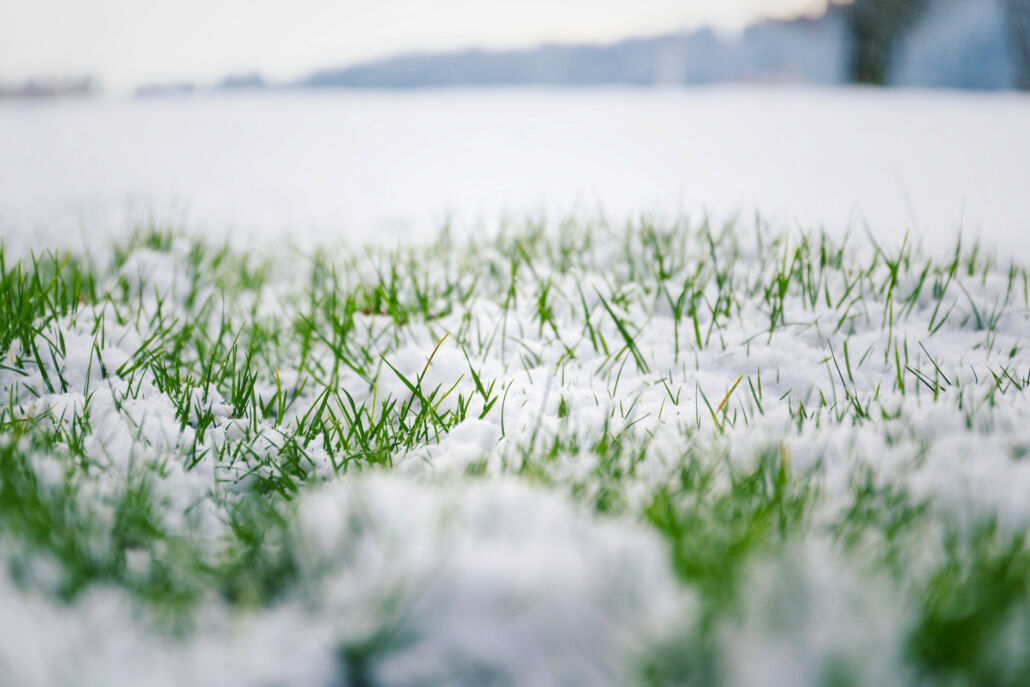
Turf cleaning in winter isn't about fixing visible problems, it's about preventing hidden ones. No matter where you live, winter conditions affect turf differently. Scheduling professional turf cleaning now helps protect your investment and keeps your turf fresh year-round.
If you're noticing any of these signs, winter is the right time to act.
Schedule a professional turf cleaning with TurFresh today.
TurFresh's winter service is pet-safe and kid-safe from the moment the technician leaves. Trusted by homeowners across the United States.
✔ Pet Safe✔ Kid Safe✔ 150,000+ Services✔ 30-Day Guarantee
Frequently Asked Questions
Should I clean my artificial turf in winter, or wait until spring?
Winter is the better time to act. Waiting until spring means odor compounds and bacteria have had an entire season to build up in the infill, which makes the eventual cleaning more intensive. Winter cleaning is a preventive step, not a race against visible damage.
Why does artificial turf smell worse in cold weather?
Cooler temperatures slow evaporation, so pet urine and bacteria stay concentrated in the infill longer than they would in warmer months. The odor is often more noticeable in winter for that reason, not because more contamination arrived.
Can snow or freezing temperatures damage artificial turf?
Artificial turf handles cold and snow well on its own. The risk comes from how snow and ice are removed, not from the cold itself. Avoid metal shovels and chemical de-icers, which can damage fibers and infill; let snow melt naturally when possible or use a plastic shovel.
Do I still need to clean turf in winter if I don't have pets?
Yes, though less urgently than pet households. Organic debris, dust, and moisture still accumulate in winter regardless of pet use, and poor drainage can lead to bacteria and mold growth in any climate with rain, snow melt, or persistent dampness.
What does a professional winter turf cleaning include?
A professional visit addresses what a hose and a broom cannot: brushing to lift compacted fibers, infill redistribution, and enzyme-based odor treatment that reaches bacteria trapped below the surface. This resets the turf before the higher-use months of spring and summer.
For additional pet and environmental safety information: the ASPCA and the EPA's pet safety resources both offer guidance on keeping outdoor spaces safe for animals year-round.
Share
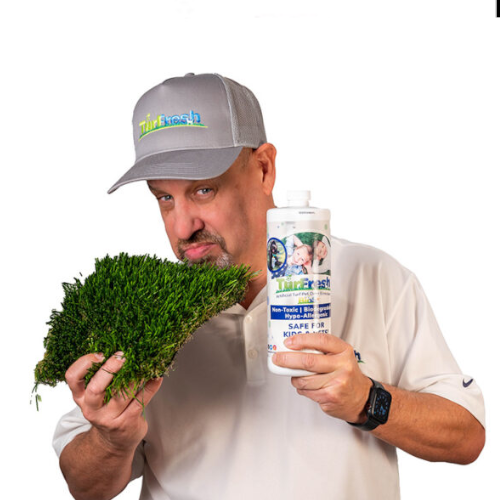

John Pla is the owner of TurFresh and an expert with over 20 years of experience in artificial turf cleaning and maintenance. John’s passion for sustainability, community impact, and innovative solutions has made him a trusted figure in the artificial grass industry and beyond.