
Artificial grass is a favorite choice for homeowners, pet owners, and businesses who want a green, vibrant lawn without the upkeep that natural grass requires. It stays lush year-round, does not need watering or mowing, and is resistant to pests. However, even the most durable synthetic turf needs regular artificial turf cleaning to keep it looking its best, prevent damage, and extend its lifespan.
TL;DR
Artificial grass still needs regular cleaning to prevent matting, odors, bacteria buildup, drainage problems, and premature wear. Light weekly maintenance combined with periodic professional deep cleaning protects your investment, improves hygiene, and keeps turf looking natural for years.
Quick Answer
Artificial grass should be cleaned regularly because debris, pet waste, dust, and bacteria accumulate over time, which can cause odors, flatten fibers, block drainage, and shorten the turf’s lifespan.
Here is why scheduled cleaning is a smart investment for your lawn.
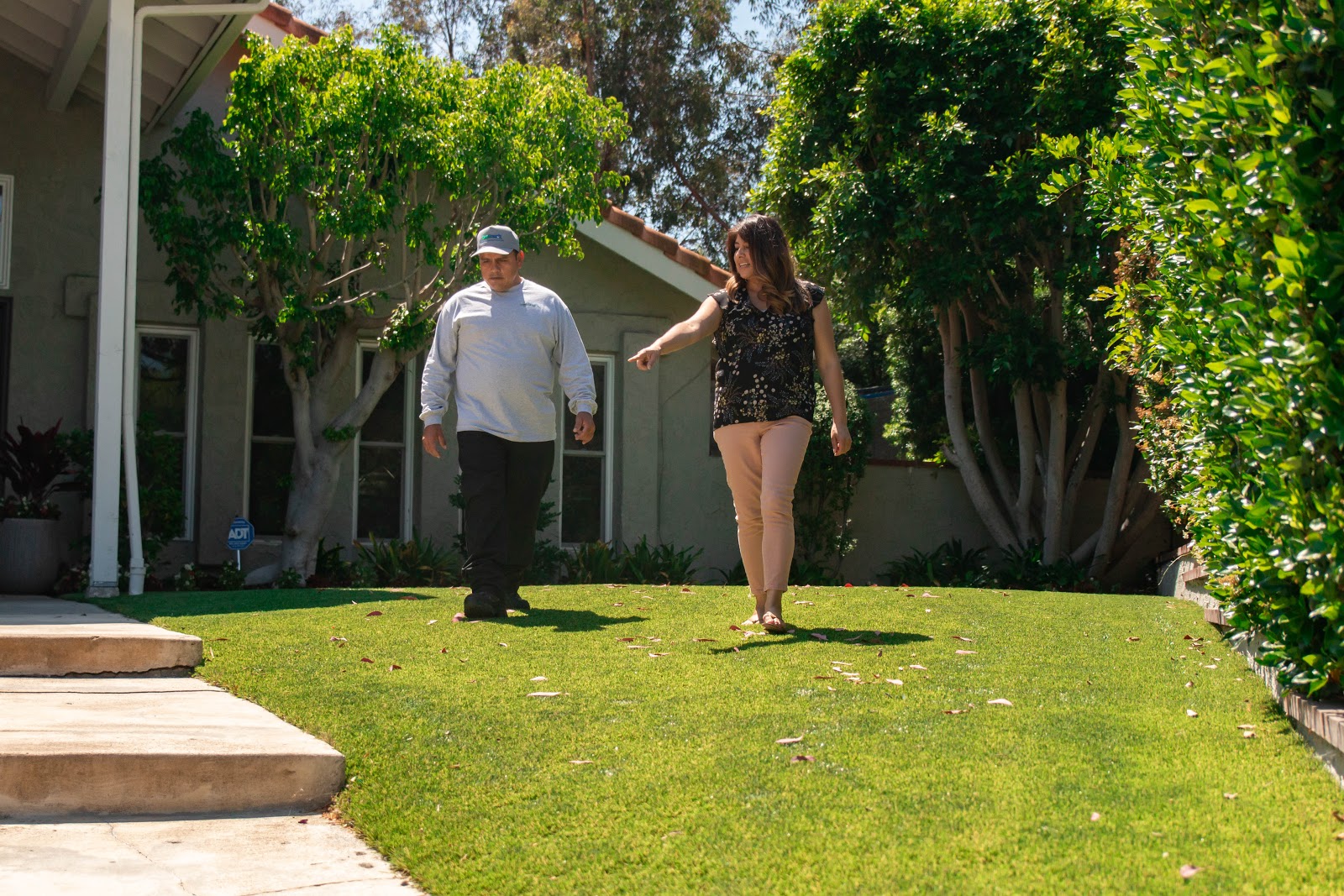
Prevent Matting and Protect Your Turf Investment
One of the main reasons people switch to artificial turf is to enjoy a lawn that looks freshly manicured every day of the year. Over time, though, turf blades can become matted due to foot traffic, pets, or outdoor activities. This flattens the blades, making the turf look less natural and more like plastic.
Routine brushing and raking keep the blades upright, but debris, dust, and fine particles can weigh them down. Left unchecked, this buildup can cause long-term damage to the fibers. Professional turf cleaning equipment lifts and separates the blades while evenly redistributing infill, helping the surface stay soft, springy, and realistic.
📌 If you frequently host gatherings, have children who play outside, or own pets, more frequent brushing and cleaning can help prevent permanent flattening.
Eliminate Pet Odors and Bacteria Growth
Pet urine can quickly cause unpleasant odors in artificial turf because it does not have soil to naturally absorb and break down waste. Without cleaning, these odors can linger and bacteria can build up, creating an unhygienic outdoor environment.
Using a turf-safe deodorizer like TurFresh BioS+ is the most effective solution. It neutralizes odors at the source rather than covering them up. The formula is all-natural, biodegradable, and completely safe for children and pets. It also helps prevent bacteria growth, making your lawn healthier and more enjoyable.
📌 For pet owners, rinsing down high-use areas weekly and applying an enzymatic cleaner monthly is a good practice. In homes with multiple pets or larger yards, quarterly professional cleaning is highly recommended.
Improve Drainage and Prevent Mold
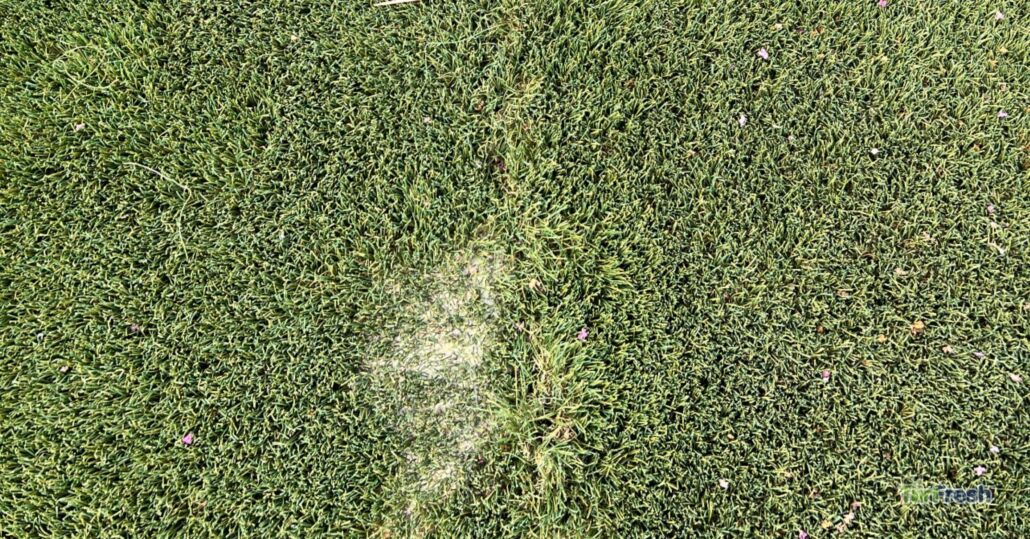
Artificial turf is designed for excellent drainage, but debris can block the perforations in the backing. This can cause water to pool on the surface after heavy rain or watering. Stagnant water may lead to mold, algae, and moss growth, which can be slippery and unsafe.
📌 A regular rinse with a garden hose helps clear light debris, while periodic deep cleaning removes compacted dirt and organic material from the base. This ensures that drainage remains efficient and your lawn dries quickly after rainfall.
Extend the Lifespan of Your Artificial Grass
High-quality artificial turf can last more than a decade when properly maintained. However, neglect can shorten its life, causing fibers to break down faster, seams to loosen, and infill to compact unevenly.
TurFresh’s 10-point turf cleaning process helps protect your investment by:
➡️ Reblooming turf blades
➡️ Replenishing infill for improved resilience
➡️ Removing dirt, dust, and debris
➡️ Neutralizing pet odors and sanitizing the surface
➡️ Repairing seams and tucking loose edges
➡️ Inspecting for early signs of wear and damage
📌 Scheduling regular maintenance not only keeps your lawn looking great but also preserves its value for years to come.
Maintain a Healthy and Safe Outdoor Space
Artificial turf can collect allergens, pollutants, and bacteria over time. This is especially important for families with children or pets, or for commercial properties where many people use the lawn.
Professional cleaning services use eco-friendly, antibacterial solutions to sanitize the turf. This helps create a cleaner, safer space for outdoor activities, whether it is for backyard play, pet exercise, or business use.
Save Time with Professional Turf Cleaning Services
While basic upkeep like rinsing and brushing can be done at home, professional cleaning delivers a deeper, more thorough result. Experts have the right tools, turf-safe cleaning agents, and techniques to restore synthetic grass quickly and effectively.
A professional service can:
• Deep clean and sanitize turf fibers
• Redistribute and replenish infill evenly
• Remove tough stains and odors
• Repair small issues before they become costly problems
📌 Regular professional cleaning means less time spent maintaining your lawn and more time enjoying it.
DIY Artificial Turf Cleaning Tips 💡
If you prefer to handle basic turf care yourself, follow these steps:
👍 1. Rinse weekly to remove dust and small debris.
👍 2.Brush against the grain with a synthetic bristle brush to lift flattened blades.
👍 3.Spot clean spills and stains with a mild soap and water solution.
👍 4.Apply turf-safe deodorizer for pet areas as needed.
👍 5.Check for damage along seams and edges during cleaning.
📌 For the best results, combine regular DIY upkeep with occasional professional cleaning for long-term turf health.
Why TurFresh is the Trusted Choice for Artificial Turf Cleaning
TurFresh specializes in keeping artificial grass looking and performing like new. Our artificial turf cleaning services are designed for both residential and commercial properties, and our eco-friendly products are safe for kids and pets. We offer scheduled maintenance plans, one-time deep cleaning, and a full line of DIY turf cleaning solutions in our online store.
📌 With over 20 years of industry experience, TurFresh is committed to helping you protect your turf investment and enjoy a beautiful, low-maintenance lawn year-round with trusted artificial turf cleaning products.
FAQs About Cleaning Artificial Grass
1. How often should I clean my artificial grass?
• Light cleaning once a week and professional cleaning every 6 to 12 months works for most homes.
2. Can I use household cleaners on synthetic turf?
• Avoid harsh chemicals. Use turf-safe products like TurFresh BioS+ for the best results.
3. Does cleaning artificial turf improve drainage?
• Yes. Removing debris and brushing infill prevents blockages and allows water to drain efficiently.
4. Will cleaning remove stains from my turf?
• Routine cleaning removes most stains. Professionals can treat stubborn spots without damaging the turf.
5. How do I get rid of pet urine smell from artificial grass?
• Use an enzymatic cleaner that neutralizes odors at the molecular level.
6. Does cleaning help prevent bacteria growth?
• Yes. Sanitizing with antibacterial turf products reduces bacteria and keeps the lawn hygienic.
7. Can I pressure wash artificial turf?
• You can use light pressure washing, but avoid high settings that may damage fibers or infill.
8. What is included in TurFresh’s 10-point cleaning service?
• It includes reblooming turf blades, replenishing infill, seam repairs, odor treatment, and more.
9. Is artificial turf cleaning worth it for commercial spaces?
• Yes. It improves appearance, safety, and longevity in high-traffic areas.
10. Will cleaning make my turf look new again?
• Yes. Professional cleaning restores color, texture, and freshness.
Ready for an Odor-Free Yard?
📞 Call (855) 444-8873 or 📱 text (714) 709-2551 to get started.
Professional Artificial Grass Cleaning
🛒 Turf Cleaning Products | Deep Clean Your Turf and Infill
Give your family and pets the clean, fresh outdoor space they deserve.
👉 New customers receive 10% OFF
Share

John Pla is the owner of TurFresh and an expert with over 20 years of experience in artificial turf cleaning and maintenance. John’s passion for sustainability, community impact, and innovative solutions has made him a trusted figure in the artificial grass industry and beyond.